
 Back
BackAnnual Forum 2026: Flood simulation exercise showcases crisis response roles
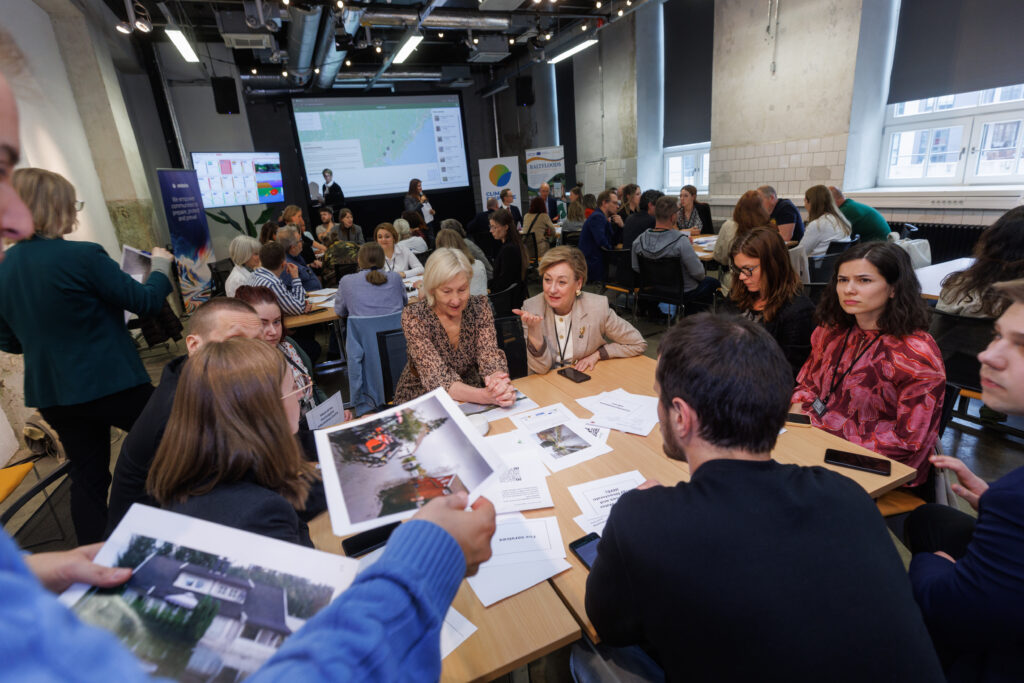
When disaster strikes – who steps up? At the EUSBSR Annual Forum 2026 in Tallinn on 12 May, three projects working on disaster risk reduction and crisis preparedness joined forces to run an interactive flood simulation and role-play exercise based on real-life data from a major flood event in Kristiansand, Norway.
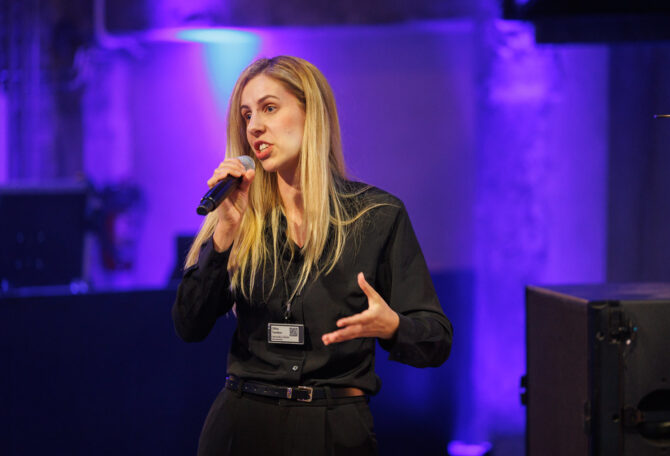
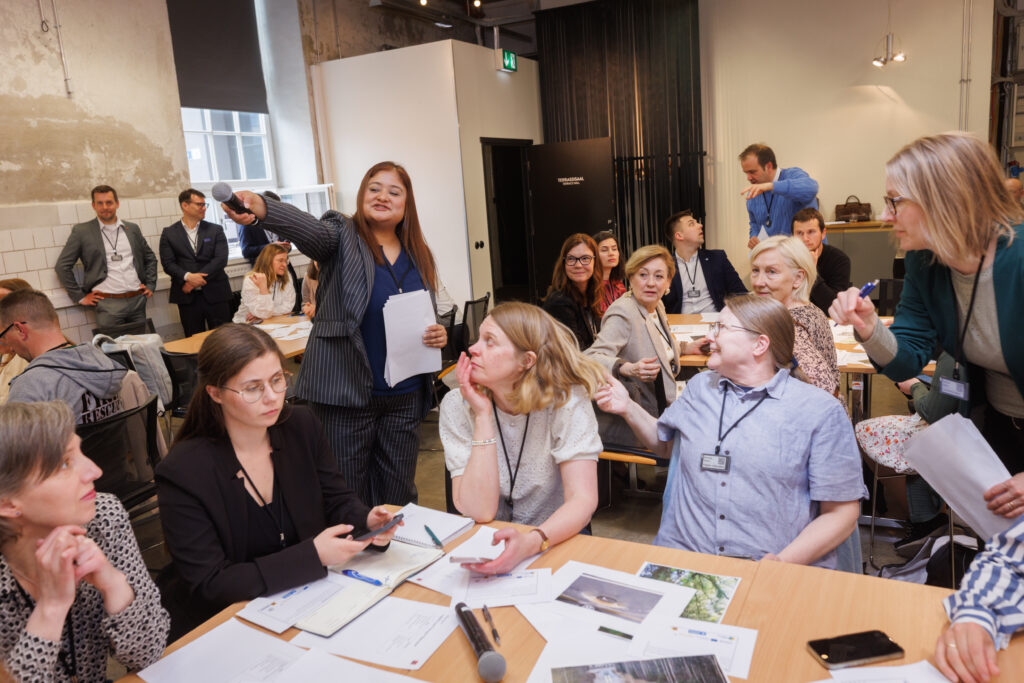
During the hands-on workshop, part of the forum’s official programme, participants stepped into the shoes of local actors and took on specific crisis-response roles in a simulation modelled on the October 2017 flood that brought Kristiansand to a standstill.
“Municipalities and their communities are on the front line of the impacts of climate change and other disruptive events,” said Katie Goldie-Ryder, ClimaResponse Project Coordinator at the CBSS. She added that “this exercise demonstrates how clear roles, coordination and local capacity are essential to respond effectively to crises and protect communities.”
The exercise was co-organised by three sister projects — BALTFLOODS, ClimaResponse and CREWS — which aim to strengthen the capacities of local authorities and communities to prepare for and respond to risks and disasters. All three projects are co-financed by the Interreg Baltic Sea Region Programme.
“The flood exercise serves as a demonstration of how citizens can be meaningfully engaged through digital tools,” said Sanna Varis, BALTFLOODS Project Manager at the City of Lappeenranta, Finland. She added that “it goes beyond simply informing people about potential flood scenarios and explores how they can contribute to preparedness efforts aligned with the co-creation of public services.”
As the Baltic Sea Region faces growing and interconnected risks — including extreme weather events, geopolitical tensions and infrastructure vulnerabilities — rapid, coordinated local response is essential to reduce harm and protect communities.
“Public authorities cannot manage crises alone — civil society actors, including volunteers, are essential partners in preparedness and response,” said Birgit Gutenmorgen, CREWS Project Manager at the Hamburg district of Altona. She added that coordinated action between authorities, stakeholders and citizens is needed to reduce damage and support more resilient communities.
During the simulation, the three projects showcased digital tools and solutions designed to help local authorities respond to climate-related crises and severe weather events, with participants able to test some of the tools themselves.
The session was facilitated by Kristiansand Municipality in Norway, with support from partners from the three projects and Intoto, a Norwegian flood monitoring company that provided the digital tool and data used for the flood simulation.
About the projects
- The BALTFLOODS project helps public authorities better monitor and respond to floods, reduce polluted stormwater discharges, and encourage community engagement in addressing environmental threats. The project is led by City of Lappeenranta (Finland).
- The ClimaResponse project helps local authorities reduce climate and disaster risks, improve their response to extreme weather events, and build long-term regional climate resilience through targeted strategies, training and cooperation. The project is led by the Council of the Baltic Sea States (CBSS).
- The CREWS project – Enhancing capacities in disaster risk reduction by facilitating public-civil cooperation – seeks to strengthen disaster risk reduction (DRR) capacities across the Baltic Sea Region by fostering effective public–civil collaboration. The project is led by the Hamburg City District of Altona (Germany).
Annual Forum 2026 parallel sessions
The regional recipe for a strategic environmental assessment in maritime spatial planning
Hidden treasures of the Baltic Sea and where to find them
SmartAging 2040 – Ageing as a driver of resilience in the Baltic Sea Region
Ukraine cooperation at local level – from crisis response to practical capacity-building
Flood simulation exercise showcases crisis response roles
Resilience is built, not assumed – sustaining the health and care workforce under pressure
Mind the Gap – Permanent Cross-Border Platforms as silo-breakers between Regions and the EU
Advancing Spatial Resilience in the Baltic Sea Region
How can regional food systems contribute to Nordic and Baltic resilience?
Strengthening crisis communication and cooperation in the Central Baltic Region
Co-creating Resilience – How Interreg Cooperation Helps the Baltic Sea Region Stay Strong Together