
 Back
BackAnnual Forum 2026: Ukraine cooperation at local level – from crisis response to practical capacity-building
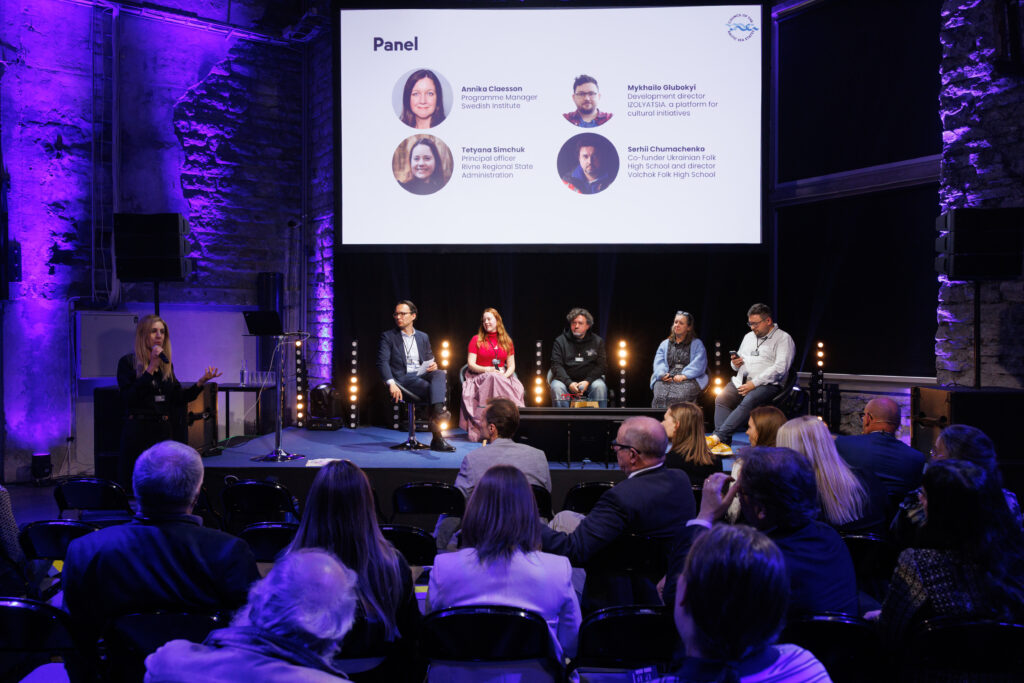
How can Baltic Sea Region actors collaborate more effectively with Ukrainian partners — not only through high-level political support, but through practical, locally anchored cooperation between cities, regions and civil society?
This was the central question of the session “From Crisis to Capacity: What we can learn from Ukraine and how to collaborate better”, co-organised by the Council of the Baltic Sea States (CBSS), Policy Area Secure and the Swedish Institute. The session was based on two Swedish Institute-funded Ukraine cooperation projects led by the CBSS: RESCOM – the Resilient Communities Learning Platform and Ria-Engage – Resilience in Action.
The session focused on three practical questions: what the Baltic Sea Region can learn from Ukraine, how local and regional actors in the region can contribute meaningfully, and how cooperation projects can be designed to create real value for Ukrainian partners. Rather than treating Ukraine only as a recipient of support, the discussion highlighted Ukrainian expertise, resilience and local capacity developed under extreme conditions.
Speakers and panellists brought perspectives from EU institutions, Ukrainian regional administration, civil society, cultural organisations and funding bodies. Contributions included reflections on community resilience, the role of culture in sustaining communities, crisis response at local level, and the practical realities of working with Ukrainian partners during war. The session also included a video message from Ihor Terekhov, Mayor of Kharkiv and Head of the Association of Frontline Cities and Communities of Ukraine.
A survey conducted among session participants established that 30-40% of participants saw a lack of funding and a lack of local contacts as the main obstacle to cooperating with Ukrainian partners. With two concrete and current funding opportunities presented during the session (see SI Baltic Sea and Eastern Partnership Programme and the ZMINA program) and many more available in other European programmes, the issue of funding was quickly overcome. Second, both panelists and participants, among them the Cities4Cities initiative, underlined the importance of looking beyond the well-connected larger cities in Ukraine. Municipalities across the country are looking for long-term partnership in the region.
The key message was that cooperation with Ukraine must move beyond symbolic partnerships, generic project concepts and one-way support models. Effective collaboration needs to start from concrete local problems owned by Ukrainian partners, be territorially anchored, and include realistic implementation support. Participants discussed the importance of flexibility, administrative capacity, contingency planning and avoiding lengthy or abstract project formats that do not match the urgency of Ukraine’s current situation.
The session also underlined the specific value of Baltic Sea Region cooperation: small-scale, horizontal, people-to-people collaboration between municipalities, regions, NGOs and communities. This way of working has helped build an integrated Baltic Sea Region over time and can also support Ukraine’s recovery, resilience and closer connection to European regional cooperation structures. Not least, supporting Ukraine on their way to EU membership must be localized. One panelist noted that Ukraine alignment with the EU acquis was another meaningful way of identifying topics of mutual benefit.
The session closed on a clear message: Ukrainian stakeholders have much to offer and stand ready to cooperate.
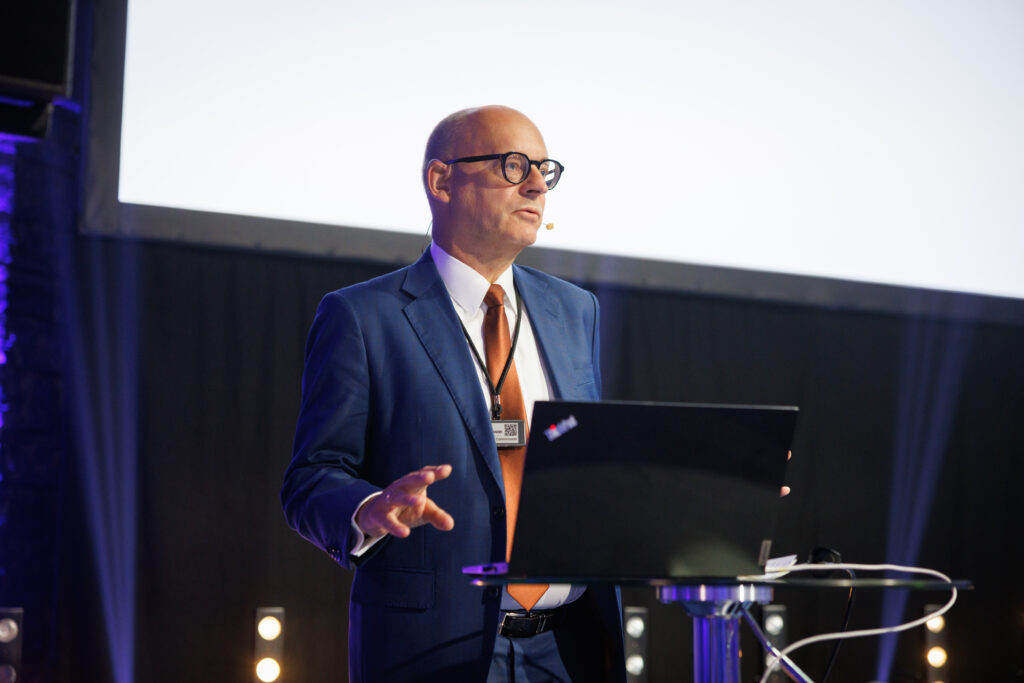
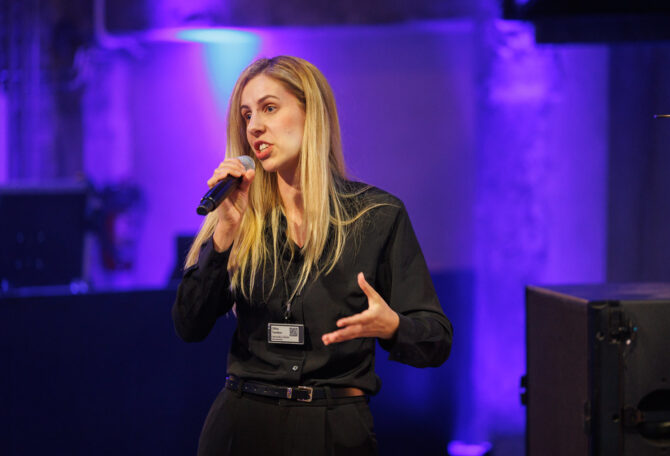
The panel consisted of: Tetyana Simchuk, Principal Officer at Rivne Regional State Administraton; Serhii Chumachenko, Founder Vovchok Folk High School; Mykhailo Glubokyi, Development Director, Izolyatsia. Foundation; and Annika Claesson, Programme Manager Swedish Institute. Special interventions by Johan Magnusson, Senior Expert, DG Regio and a video message by Ihor Terekhov, Mayor of Kharkiv and Head of the Association of Frontline Cities and Communities of Ukraine. The session was moderated by Felix Schartner Giertta (CBSS).
To learn more about the projects:
Annual Forum 2026 parallel sessions
The regional recipe for a strategic environmental assessment in maritime spatial planning
Hidden treasures of the Baltic Sea and where to find them
SmartAging 2040 – Ageing as a driver of resilience in the Baltic Sea Region
Ukraine cooperation at local level – from crisis response to practical capacity-building
Flood simulation exercise showcases crisis response roles
Resilience is built, not assumed – sustaining the health and care workforce under pressure
Mind the Gap – Permanent Cross-Border Platforms as silo-breakers between Regions and the EU
Advancing Spatial Resilience in the Baltic Sea Region
How can regional food systems contribute to Nordic and Baltic resilience?
Strengthening crisis communication and cooperation in the Central Baltic Region
Co-creating Resilience – How Interreg Cooperation Helps the Baltic Sea Region Stay Strong Together