
 Back
BackBuilding stronger alliances for rural water management in the Baltic Sea Region
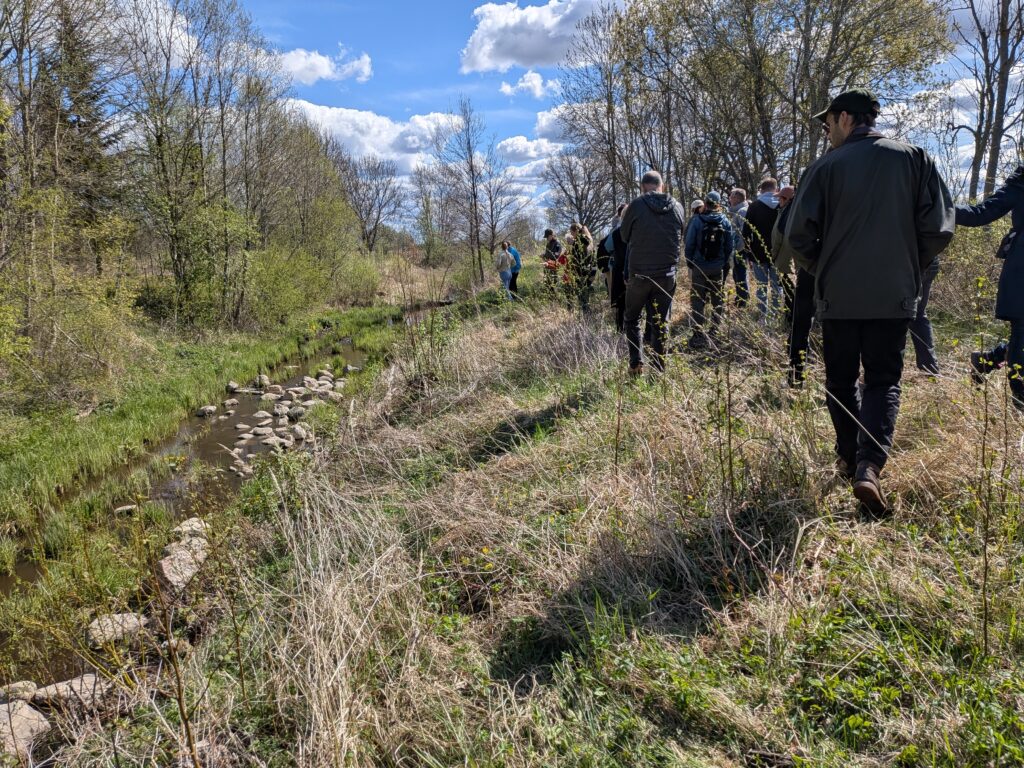
How can countries around the Baltic Sea work together more effectively to improve water management from source to sea? This question brought together experts, projects and policy actors in Tallinn to share practical experiences and strengthen cooperation on catchment-based water management at an event called Focus on Clean Water Alliances.
Catchment-based water management is an important way to connect local action with wider environmental goals. By taking a holistic view of water management across an entire catchment area, it helps identify where measures are most needed, how they can be prioritised, and how local cooperation can support better results. Ann Riisenberg from the Estonian Ministry of Climate and Chair of EUSBSR Policy Area Nutri explains:
“The catchment-based approach is widely recognised as a key tool for holistic water governance and for implementing the source-to-sea concept within HELCOM and the EUSBSR. As practices and funding models vary between countries, there is a need to bring together experiences on a common platform.”
As holder of the EUSBSR Presidency, Estonia — represented by the Chairs of Policy Areas Nutri and Hazards — brought together LIFE and Interreg projects to exchange catchment-based practices from across the Baltic Sea Region. The seminar marked the first longer-term thematic meeting on the topic and opened the door for continued cooperation, with a follow-up event planned for autumn.
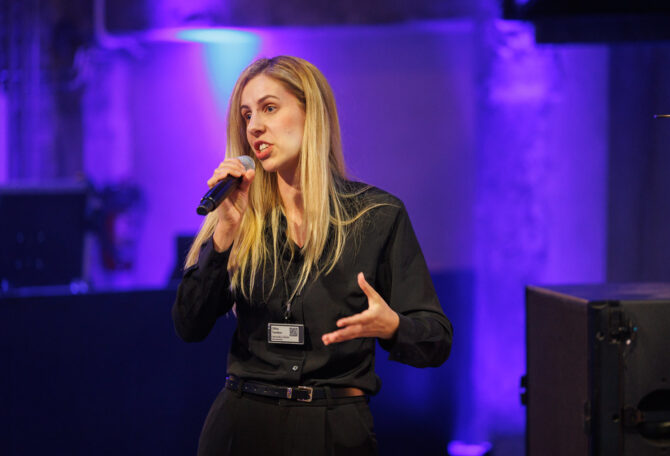
The event combined hands-on learning with policy discussion. A field day took participants to Matsalu National Park, where they saw nature-based solutions in practice. This was followed by a seminar day focused on catchment-based cooperation. Helena Puro, Project Lead of ACWA LIFE SIP, says: “It was valuable to hear different national experiences of implementing River Basin Management Plans, as well as practical examples of catchment officers. The ‘broken pipeline’ discussed during the seminar, referring to core governance challenges in Estonian water management, has similarities with challenges in Finland. It will be interesting to follow how the proposed governance paradigm shift progresses.”
The ‘broken pipeline’ discussed during the seminar, referring to core governance challenges in Estonian water management, has similarities with challenges in Finland. It will be interesting to follow how the proposed governance paradigm shift progresses.” Helena Puro, Project Lead ACWA LIFE SIP
The discussions also highlighted challenges that many countries share. Helena noted: “A shared challenge identified across countries is the lack of permanent funding for catchment officers. It was especially valuable to exchange experiences and build networks with other LIFE and Interreg projects working on River Basin Management Plans and catchment-based water management. In the WetEST LIFE project, job descriptions for catchment officers were developed with very limited practical experience. In our project, the catchment officers will soon begin their work, and we will use the knowledge gained and good practices identified from other projects, for example when refining their job descriptions.”
Workshops organised by Policy Areas Nutri and Hazards explored cooperation needs related to catchment-based water management in greater depth. These included, for example:
- Comparing which solutions work well
- Financing, governance models and roles for catchment officers
- Peer-to-peer learning and study visits
- Networks and continuous coordination
- Scaling up and strategic work
Tõnis Nirk, National Coordinator for Estonia and Ambassador-at-Large for Baltic Sea Cooperation at the Estonian Ministry of Foreign Affairs, welcomes the cross-sectoral approach. He emphasises that this is an example of how the EUSBSR could work as a bridge between the EU and regional needs, supporting the cross-sectoral scaling up of project results.
“The Estonian presidency has highlighted how valuable it can be to have an active, cross-sectoral presidency, and how the chairing country can both benefit from and contribute to the EUSBSR agenda.” Annika Mikomägi, Chair of the Policy Area Hazards Steering Group from the Estonian Ministry of Climate, reflects on the workshop results and the Estonian presidency.
Looking ahead – taking the conversation to the next level
The newly established cooperation will continue online on 7 October 2026. The follow-up event will revisit the key points discussed in Tallinn, look at developments over the summer months, and give participants the opportunity to discuss next steps in smaller groups. We will also discuss new recommendations for catchment officers prepared by BaltCOP.
The next in-person meeting is planned for April 2027, when participants will meet again at the BaltCOP project’s final conference.