
 Back
BackHelsinki EPIC Workshop develops three ideas for transnational cooperation on crisis preparedness
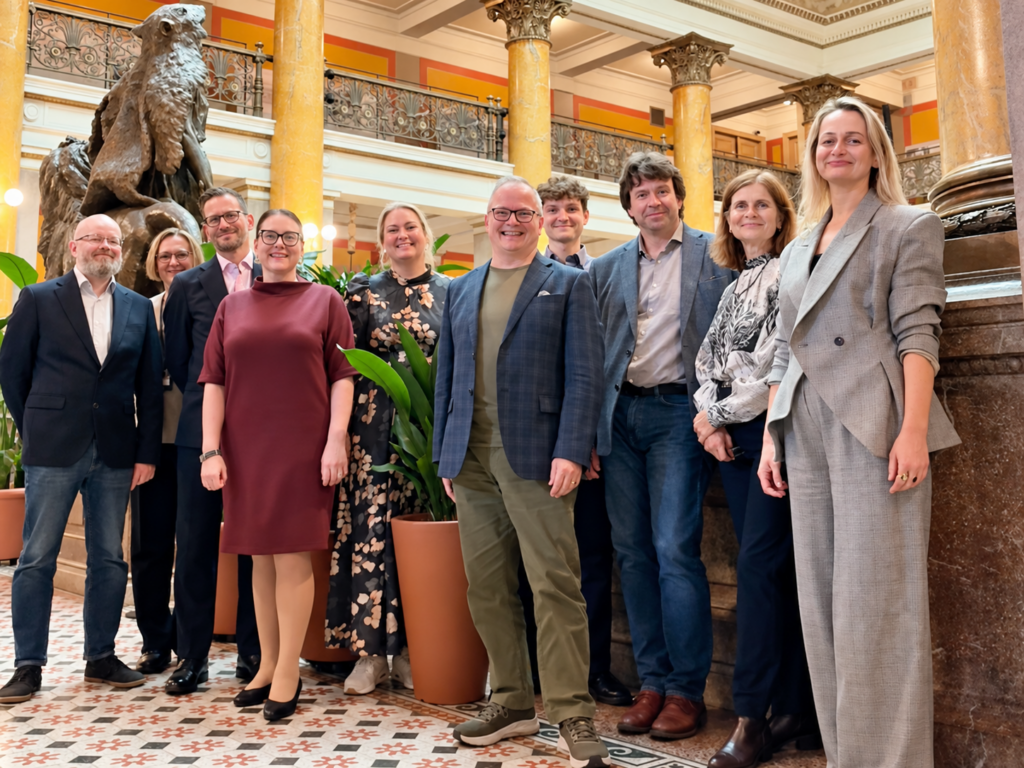
On 23 September 2026, the third EPIC workshop brought together members of the NDPHS Occupational Safety and Health Expert Group (OSH EG) and invited experts in Helsinki to continue developing ideas for a future transnational project on workforce resilience and crisis preparedness. The overall workshop concept was developed jointly by the NDPHS Secretariat and Owe Österbacka, Chair of the OSH Expert Group.
The EPIC – “Effectively Prepared in Crisis” project, funded by the Swedish Institute, aims to enhance collaboration on health-related emergency preparedness and crisis response across the NDPHS Partner Countries and Ukraine, while sharing expertise, lessons learned and good practices to strengthen resilience during crises.
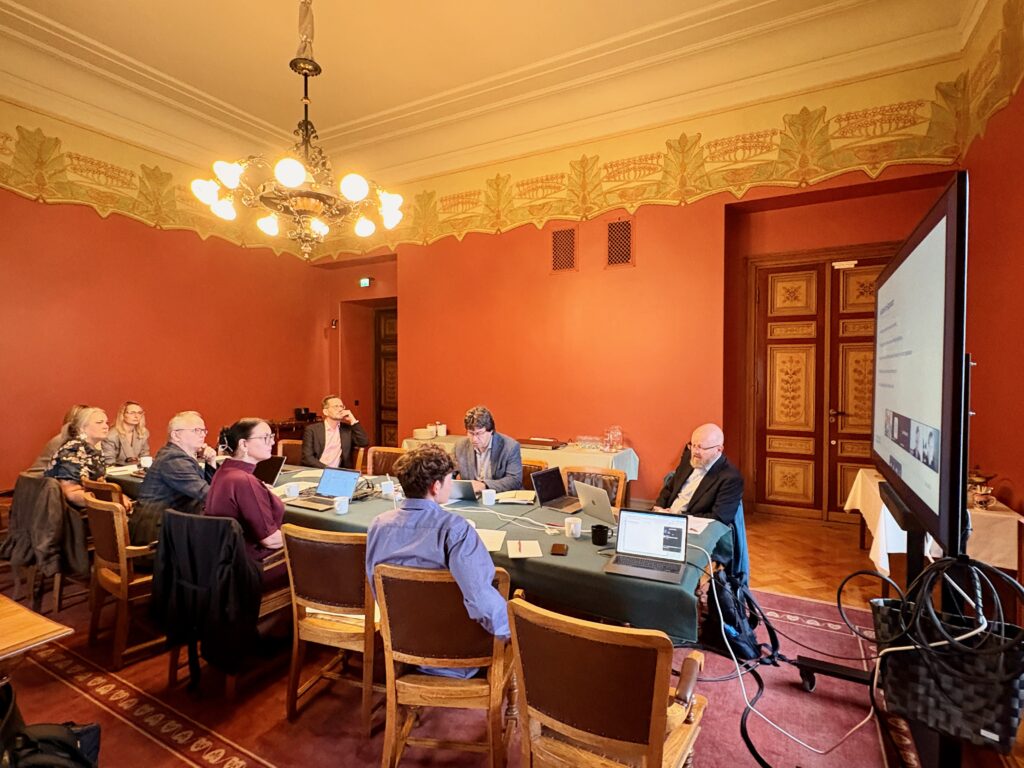
From Tallinn’s findings to Helsinki’s workshop
The Helsinki workshop built on the previous EPIC workshop in Tallinn where participants examined how organisations and their workforces prepare for, respond to and recover from crises and the role of OSH actors. Participants identified gaps in coordination, workforce capacity, mental health support and the use of lessons from past emergencies. The Helsinki workshop took those findings forward: experts compared evidence from their countries and worked in groups to turn shared challenges into possible objectives for a transnational project.
Comparing evidence across countries
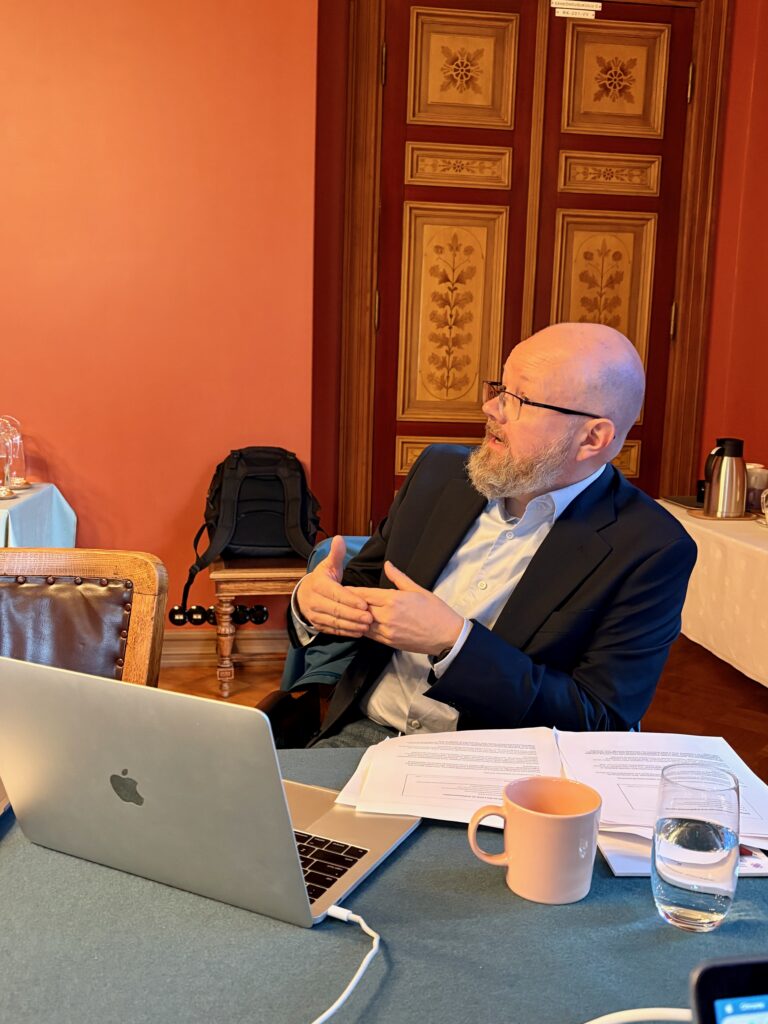
The day started with a presentation by Tommi Alanko from the Finnish Institute of Occupational Health, who presented findings and knowledge gaps related to organisational capability from a Finnish perspective. One central message was that the main challenge is often not the absence of preparedness principles, but how these principles are translated into everyday organisational practices and operational capability. Preparedness, leadership, organisational learning, cooperation and trust were highlighted as important areas requiring further attention.
This was followed by national mapping contributions from Eliza Goszczynska (Nofer Institute of Occupational Medicine, Poland), Sture Rolfheim-Bye (National Institute of Occupational Health – STAMI, Norway), Lolita Pilipavičienė (Institute of Hygiene, Lithuania) and Ivars Vanadziņš (Rīga Stradiņš University, Latvia). Their contributions brought together existing research, projects and unresolved questions from different national contexts, helping to establish a shared evidence base and identify common themes for the subsequent discussions.
Three project ideas take shape
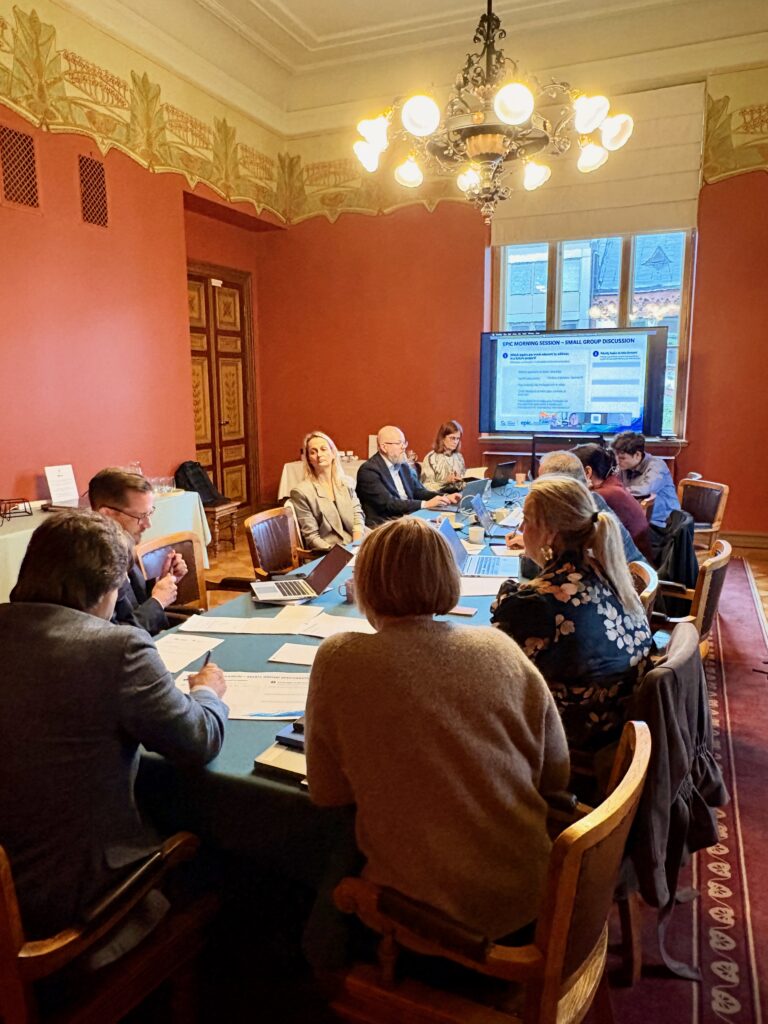
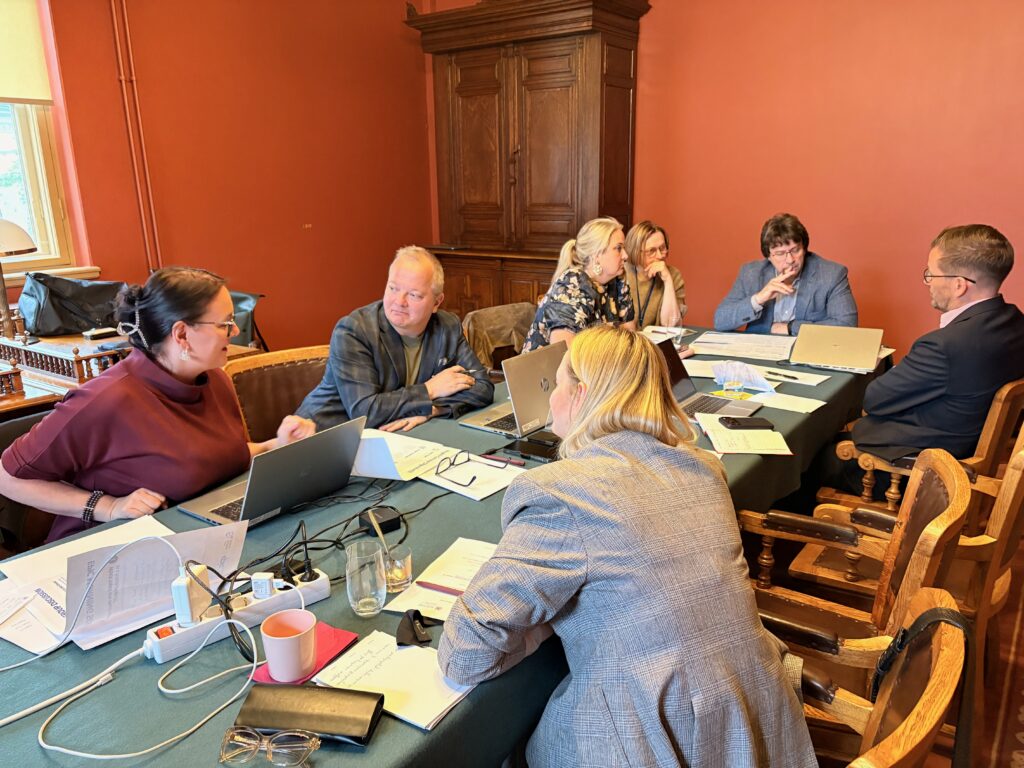
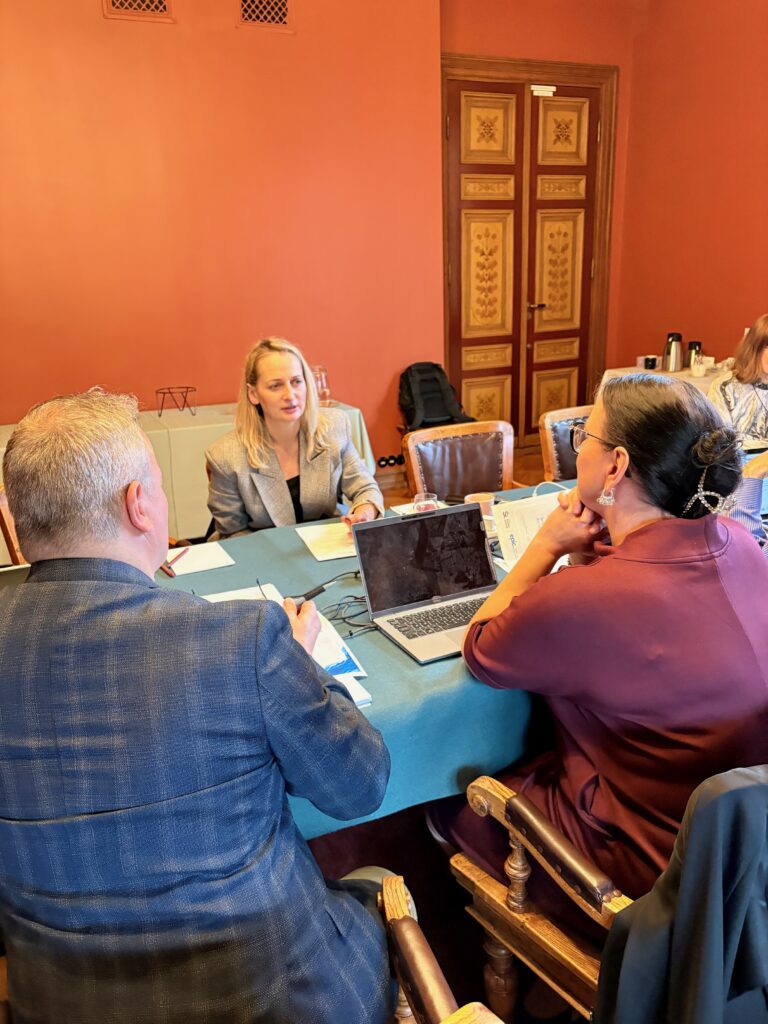
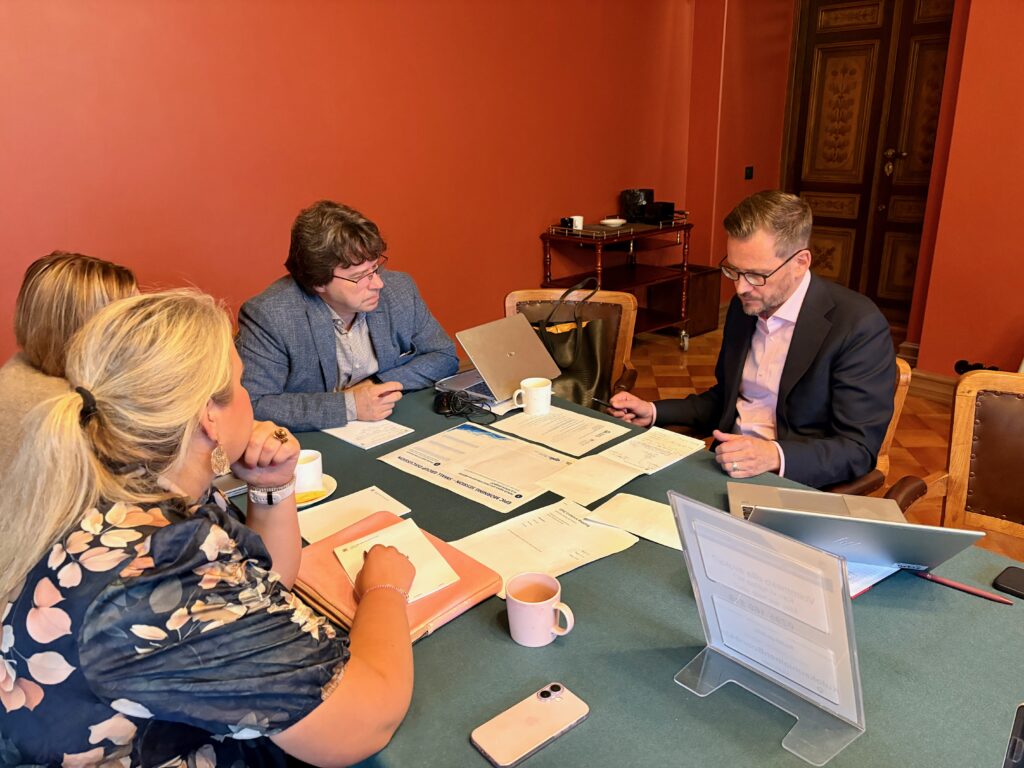
Working in small groups, participants then selected priority topics and progressively developed them into potential project objectives. The project-development sessions were facilitated by Ivars Vanadziņš and Elina Virtanen (Finnish Institute of Occupational Health – FIOH), guiding participants from defining project objectives towards sharpening the underlying research problem and considering possible project approaches.
The discussions resulted in three emerging project directions:
- Protective and mitigating work-environment factors during crises, exploring which organisational and workplace factors help maintain work ability, health and functioning, particularly during prolonged disruptions.
- Organisational capability and preparedness in small and micro-enterprises, looking at how preparedness can be integrated into everyday OSH and organisational practices in workplaces with limited dedicated resources.
- Digital psychosocial-risk management in healthcare, exploring the development and testing of practical tools that could help organisations identify psychosocial risks and translate them into action during crises.
What happens next
Across the discussions, a common understanding emerged that resilience is not solely an individual characteristic but is strongly shaped by organisational structures, working conditions and everyday practices. Participants also emphasised that future cooperation should move beyond identifying challenges towards developing and testing practical approaches that organisations can use to strengthen preparedness and workforce resilience.
The next steps will be to consolidate the workshop outputs into an initial project concept, identify remaining information and partnership needs, and continue exploring suitable funding opportunities and organisations interested in leading further project development.
The EPIC project is financed by the Swedish Institute.