
 Back
BackAnnual Forum 2026: Co-creating Resilience – How Interreg Cooperation Helps the Baltic Sea Region Stay Strong Together
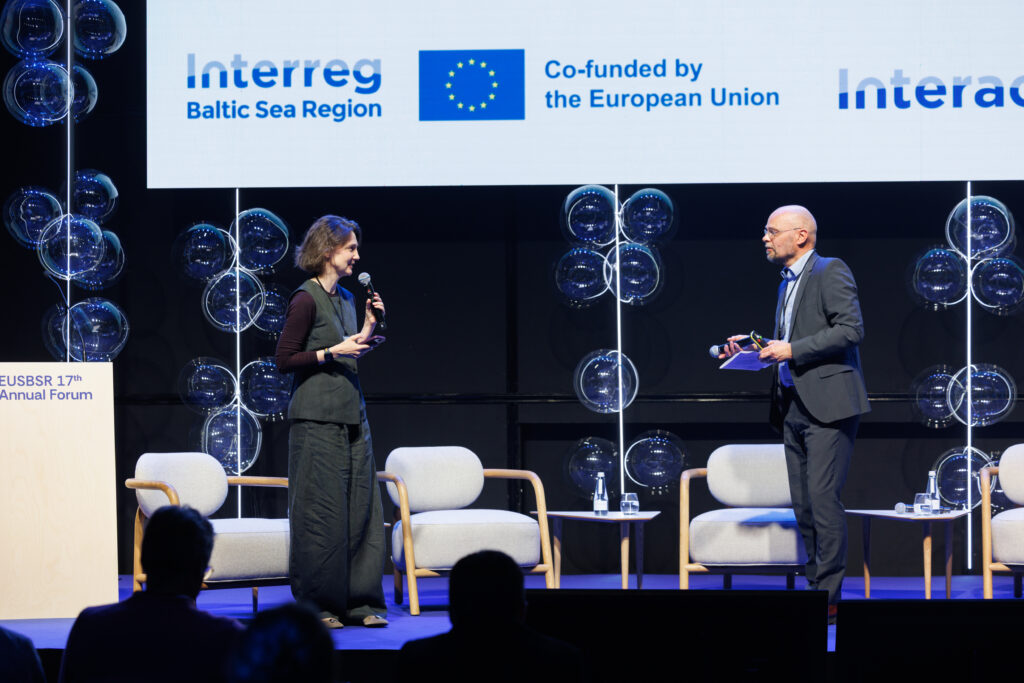
What does resilience actually look like in practice? How can cooperation help the Baltic Sea region become more resilient in times of growing uncertainty? These questions guided the hands-on workshop co-organised by the Interreg Baltic Sea Region Managing Authority/Joint Secretariat, together with the Interact Programme, during the 17th EUSBSR Annual Forum – Resilience Edition.
The session brought together Interreg projects, EUSBSR Policy Area representatives and participants from across the region to explore how transnational and cross-border cooperation can strengthen crisis preparedness, maritime safety, and innovation capacity and community resilience.
Resilience as a shared regional responsibility
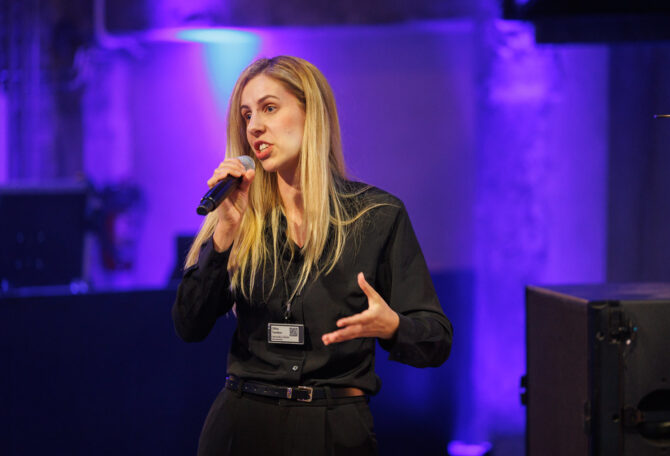
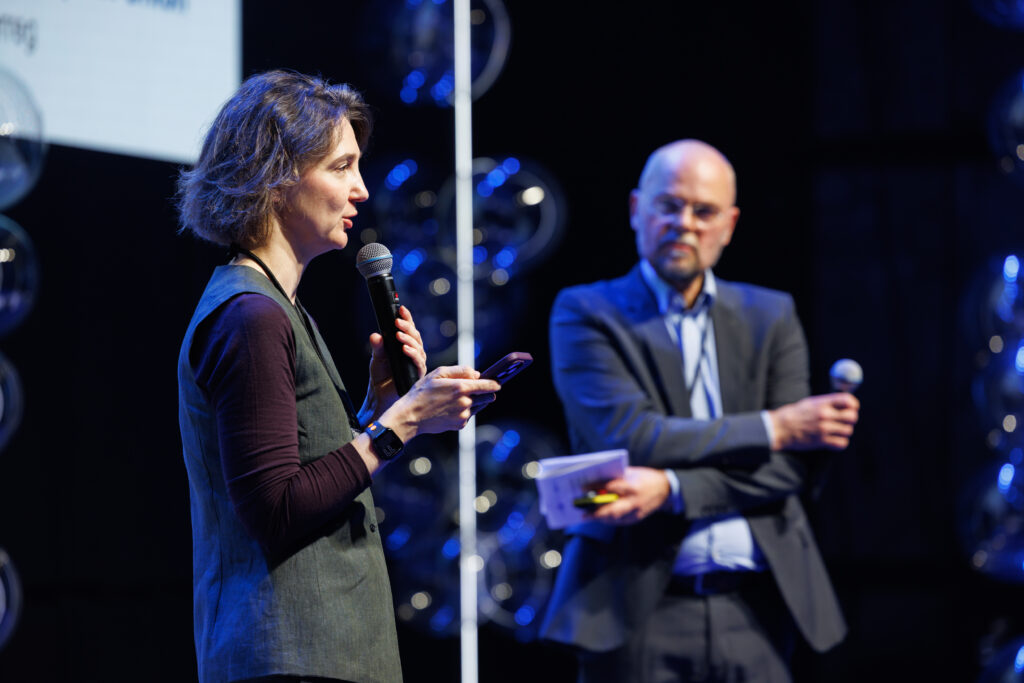
Elena Kolosova from Interreg Baltic Sea Region and Marko Ruokangas from the Interact Programme opened the session by grounding the discussion in today’s reality: resilience is no longer only about responding to crises after they happen. Instead, it is about learning how to navigate continuous uncertainty together.
As Marko Ruokangas put it: “We are dealing both with shocks — sudden crises — and stresses, meaning long-term pressures. Today’s reality is that crises are no longer exceptions. This is where Interreg becomes a resilience enabler: a platform for developing solutions, testing them locally, sharing experiences, transferring knowledge, and building new capacities together.”
Elena Kolosova highlighted why cooperation matters more than ever: “Interreg brings real value by bringing countries together and helping governance systems become stronger and less fragmented.”
Turning Cooperation into Preparedness
The workshop showcased several Interreg projects demonstrating how cooperation can translate into practical resilience solutions. One of the projects presented was CREWS (Interreg Baltic Sea Region), focusing on crisis preparedness and coordinated emergency response. The project showed how local authorities and civil society organisations can strengthen preparedness through transnational cooperation and shared learning.
As Birgit Gutenmorgen (City of Hamburg) reflected: “Resilience starts with each person. It begins with developing a different mindset and attitude towards becoming resilient.”
Another key focus was maritime resilience through the ORMOBASS project (Interreg Baltic Sea Region), which develops terrestrial backup solutions for safer navigation in the Baltic Sea region. Stefan Gewies (German Aerospace Centre) explained the growing importance of reliable navigation systems: “Communication systems are increasingly affected, which also impacts the ability of ships to position themselves safely. In ORMOBASS, we are developing additional navigation signals to support safe navigation. Fifteen transmitters on land will help strengthen the system across the Baltic Sea region. The next step is to expand the system further and prove its long-term availability.”
The workshop also highlighted how resilience connects innovation, communities, and regional cooperation. Peeter Unt from Tartu Science Park, representing the Innovative Aerial Services project (Interreg Central Baltic), shared how drone technologies and innovative aerial services can support municipalities in crisis response, monitoring and pubic safetys: “It is a very dynamic and fast-growing field. Companies are trying to grow in their own markets, but Interreg helps bring like-minded organisations together. There is so much knowledge and experience to share, and real cooperation is happening thanks to Interreg.”
For Ruta Priede from the Latgale Planning Region, representing the SchoolFood WasteSolutions project (Interreg Central Baltic), which focused on schools, food systems and local communities, cooperation has an even broader meaning: “In the case of Latgale, Interreg is not only a funding instrument. It is also about how border regions stay connected to Europe and continue building partnerships.”
The discussion highlighted that in regions facing demographic, economic and geopolitical pressures, resilience means not only responding to crises, but also maintaining services, opportunities and quality of life so that people can continue building their futures locally.
Connecting Projects with Regional Priorities
The workshop also linked project experiences with the broader goals of the EU Strategy for the Baltic Sea Region. Representatives from the EUSBSR Policy Areas Maritime Safety and Secure reflected on future cooperation needs and existing gaps in resilience and preparedness.
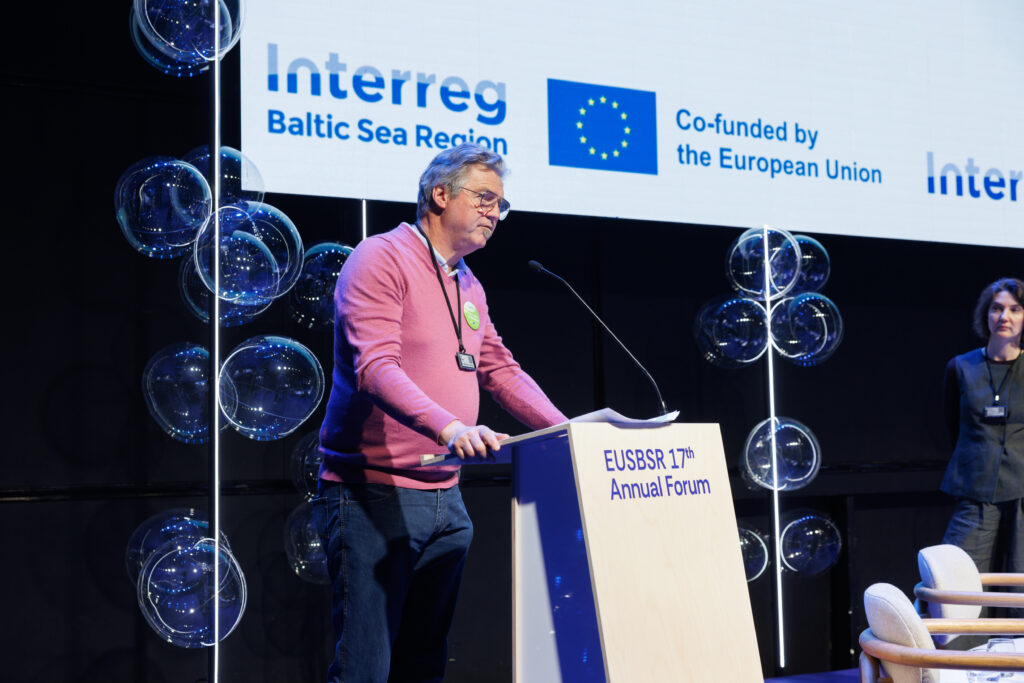
Ulf Siwe from Policy Area Maritime Safety stressed the importance of coordinated regional action: “We need to prepare for the future in a coordinated way. Harmonised approaches to building and delivering solutions are extremely important. In the end, networks are one of the biggest sources of resilience we have.” Andriy Martynenko from Policy Area Secure added: “We should align with existing structures and approaches, making resilience a horizontal logic — a lens through which we look at all our policy areas.”
From Project Results to Regional Action
The second half of the workshop shifted into interactive group work, where participants stepped into different roles — from mayors and ministers to emergency officers and citizens — and worked directly with Interreg project results. Together, they explored how successful solutions could move beyond projects and create wider regional impact. Discussions focused on future risks, cooperation gaps, governance needs, and the political and financial support required to scale existing solutions across the Baltic Sea region.
The group working with the CREWS project focused strongly on community preparedness and coordination gaps. Participants pointed to weaknesses in existing support structures involving NGOs and local organisations, as well as communication gaps both within and between sectors.
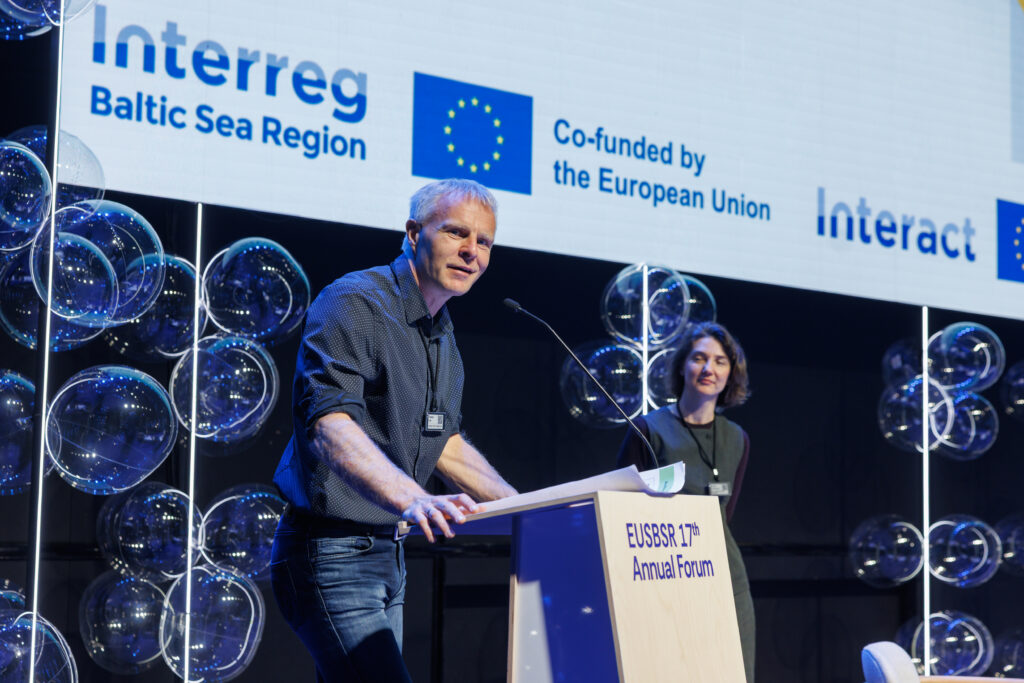
Around the SchoolFood Waste Solutions discussions, participants highlighted that community resilience also depends on flexibility and trust. The group reflected on the need for more adaptable legislation, easier access to volunteers, and stronger local “mastermind” networks that can mobilise quickly and cooperate effectively during challenging situations.
Meanwhile, the discussions linked to ORMOBASS brought participants back to the wider regional and global dimensions of resilience. The group stressed that maritime safety systems can only function effectively if all Baltic Sea region countries are fully onboard and prepared together.
The workshop demonstrated that resilience is not built in isolation, but through both technological innovation and strong community networks. From maritime safety and crisis preparedness to drone services, schools and sustainable food systems, Interreg cooperation helps countries, regions, and organisations develop practical solutions together while strengthening the trust, partnerships and capacities needed to face future challenges.
Ultimately, the workshop demonstrated that resilience begins in everyday cooperation, that working together across borders remains one of the Baltic Sea region’s greatest strengths.
Annual Forum 2026 parallel sessions
The regional recipe for a strategic environmental assessment in maritime spatial planning
Hidden treasures of the Baltic Sea and where to find them
SmartAging 2040 – Ageing as a driver of resilience in the Baltic Sea Region
Ukraine cooperation at local level – from crisis response to practical capacity-building
Flood simulation exercise showcases crisis response roles
Resilience is built, not assumed – sustaining the health and care workforce under pressure
Mind the Gap – Permanent Cross-Border Platforms as silo-breakers between Regions and the EU
Advancing Spatial Resilience in the Baltic Sea Region
How can regional food systems contribute to Nordic and Baltic resilience?
Strengthening crisis communication and cooperation in the Central Baltic Region
Co-creating Resilience – How Interreg Cooperation Helps the Baltic Sea Region Stay Strong Together