
 Back
BackResilience is the Baltic Sea Region’s most urgent priority
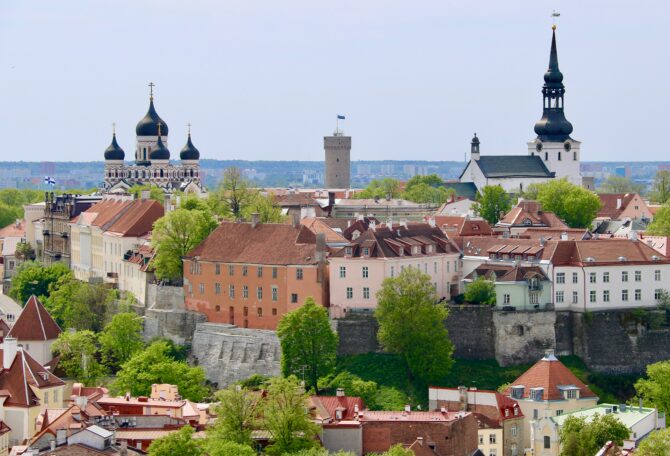
Tallinn hosts the 17th EUSBSR Annual Forum on 11–13 May 2026 at Tallinn Creative Hub, bringing together over 500 policymakers, cities, researchers, businesses and civil society representatives from across the Baltic Sea Region to turn strategy into action. The aim of the Forum is to translate regional cooperation into concrete action.
This article was originally posted in the City of Tallinn website.
The Baltic Sea Region has built one of the world’s most interconnected and dynamic areas, bound together by trade, energy, digital infrastructure and a shared maritime environment. But the pressures bearing down on the region today require something more than connectivity. They require resilience.
Geopolitical tension on Europe’s eastern flank, accelerating climate stress on the Baltic Sea ecosystem, demographic shifts across the region, and hybrid threats targeting critical infrastructure do not respect national borders. They cannot be solved by any single country, sector or level of government acting alone.
Resilience in this context means more than crisis response or military preparedness, though both matter. It means energy systems robust enough to withstand disruption, transport and digital networks that hold under pressure, economies competitive enough to attract investment and talent, and institutions trusted enough that societies stay coherent when tested. It also means coastal and marine ecosystems healthy enough to sustain the communities that depend on them. As Tõnis Nirk, Chair of the EU Strategy for the Baltic Sea Region National Coordinators Group, has put it: resilience in the Baltic Sea Region means more than withstanding shocks — it means thriving through them by building the capacity to adapt and collaborate in an era where crises are becoming the new normal.
Cities and regions sit at the centre of all of this. When a crisis hits, whether a flood, a cyberattack or a supply chain collapse, it is local and regional authorities that respond first. They manage infrastructure, deliver essential services and maintain the community trust that resilience depends on. Their cooperation across the Baltic Sea Region is not peripheral. It is foundational.
Cooperation as the answer
This is also where the EU Strategy for the Baltic Sea Region demonstrates its purpose. Since 2009, the Strategy has connected policies, funding programmes and stakeholders across countries and sectors, turning individual projects into long-term solutions. The newly updated Action Plan (2026, pending European Commission approval), the result of over 100 ministries, national agencies and EU institutions working toward a shared roadmap, reflects a clear shift: member states have placed resilience at the centre of transnational cooperation in the Baltic Sea Region.
The experience of seventeen years of cooperation shows that the better the region works together across borders, levels and sectors, the stronger it becomes. That is not a platitude. It is the architecture behind a strategy that has shaped how eight EU member states address their most complex shared challenges.
The host for the Annual Forum 2026 is the City of Tallinn and the Forum is organised together with the Council of the Baltic Sea States Secretariat (CBSS) in close collaboration with the Ministry of Foreign Affairs of Estonia and the Baltic Sea Strategy Point. The event is funded by the Interreg Baltic Sea Region Programme, the City of Tallinn and the Council of the Baltic Sea States Secretariat.