
 Back
BackThe EUSBSR Annual Forum 2026 was all about resilience
The EUSBSR Annual Forum 2026 brought the transnational community across the Baltic Sea Region together for the 17th time. The Forum programme studied resilience from angles of climate, environmental health, demographic shifts, regional competitiveness, security, and geopolitical uncertainties.
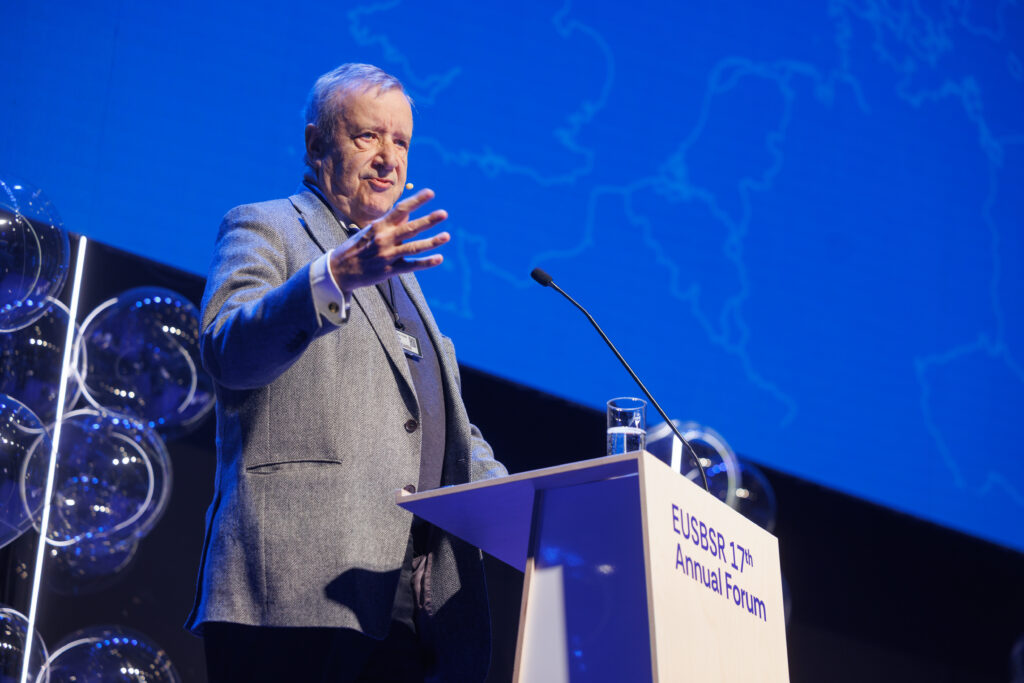
The event brought on stage an impressive number of first-row politicians and experts. Igor Taro, Minister of the Interior of Estonia, opened the Forum together with the Mayor of Tallinn, Peeter Raudsepp. On the same day, former President of Estonia, Toomas Hendrik Ilves, took the stage with Kristi Raik, Director, International Centre for Defence Studies (ICDS) and Gustav Lindström, Director General, Secretariat of the Council of the Baltic Sea States (CBSS), discussing security and geopolitical uncertainties in the Baltic Sea Region.
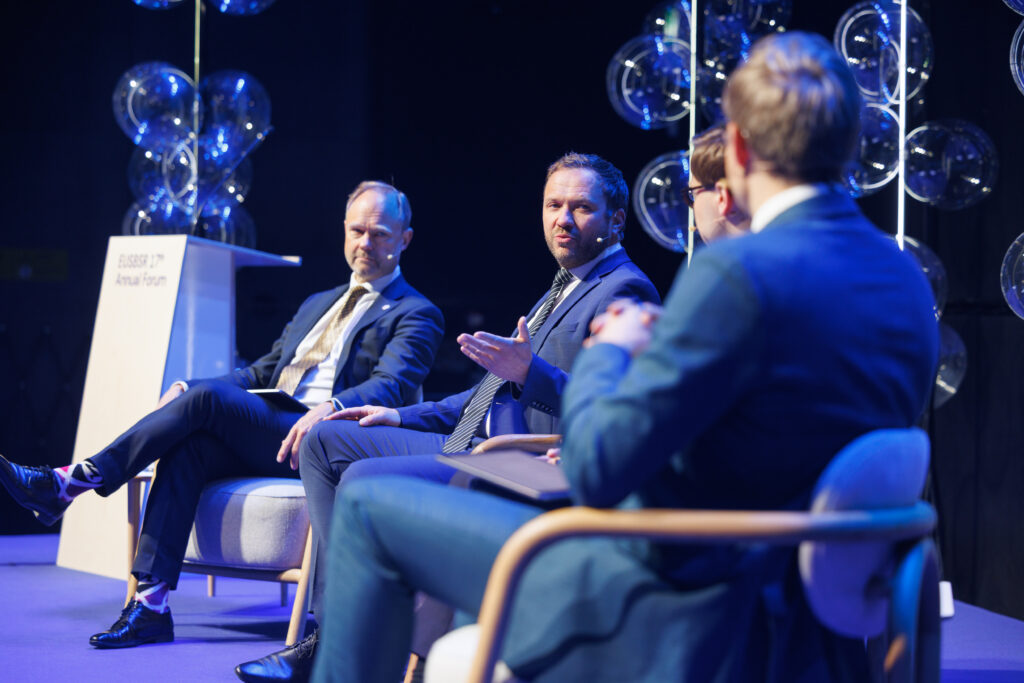
On the second day, Estonian Minister of Foreign Affairs, Margus Tsahkna, spoke about the demographic shifts and competitiveness of the region together with the Mayor of Helsinki, Daniel Sazonov and André Küüsvek, President and CEO, Nordic Investment Bank.
What do we mean when we speak about resilience?
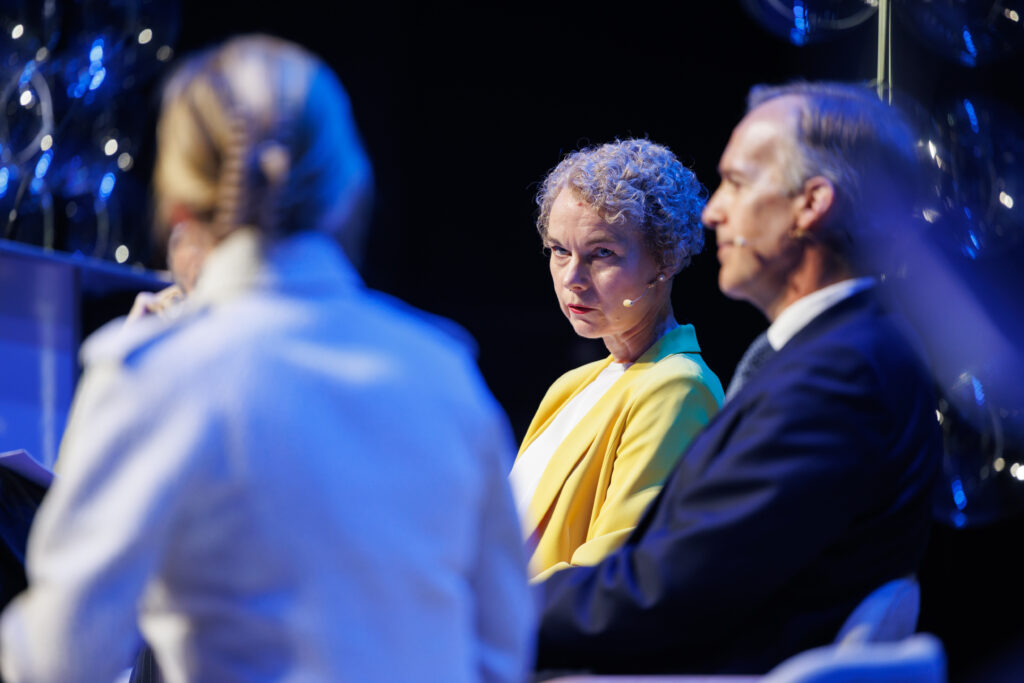
Regardless of the specific themes of the four main panel discussions and the wide spectrum of themes that the cooperation network of the EU Strategy for the Baltic Sea Region covers, speakers on stage seemed to gravitate towards the security side of resilience in their interventions. This is easy to understand given the region’s current geopolitical uncertainties.
Even if security feels like a top priority for many reasons, the Strategy aims at strengthening the Baltic Sea Region’s resilience in a comprehensive and holistic manner. The update of the Action Plan (2026, pending European Commission approval) responds to key challenges faced by the Baltic Sea Region – in addition to the rapidly evolving security environment, the increasingly complex multi-hazard risks: accelerating climate change and persistent environmental pressures, demographic change, and the demands of the green and digital transitions.
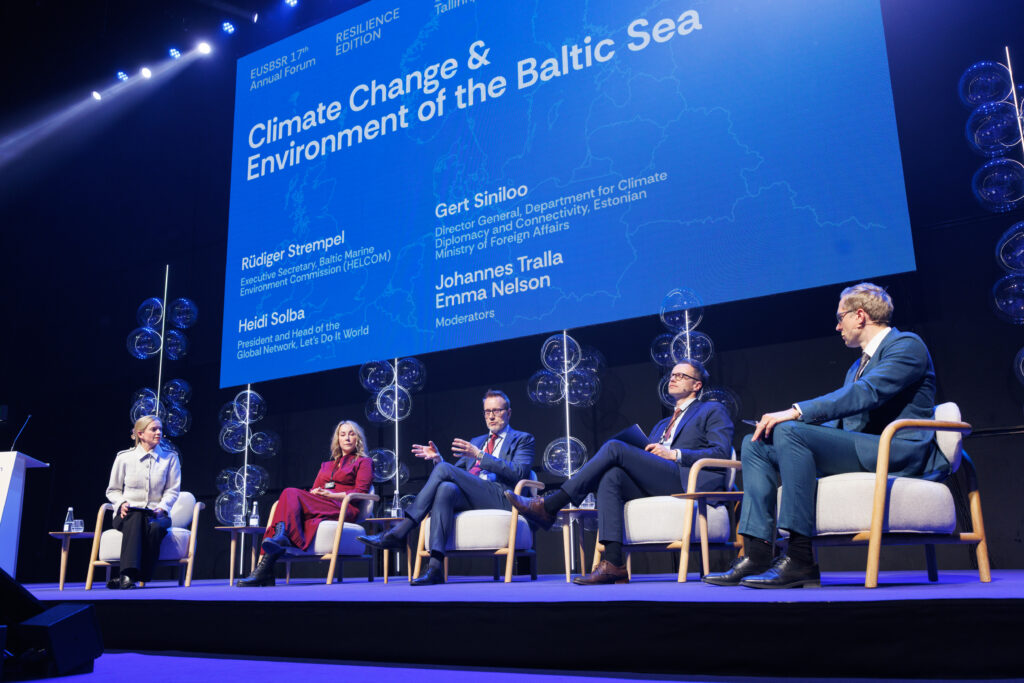
“Let’s not think we can choose which crisis we wish to solve. They are all interconnected, including the triple planetary crisis.” – Rüdiger Strempel, Executive Secretary, Baltic Marine Environment Commission (HELCOM).
The untapped potential of the Baltic Sea Region
Speakers in different panels mentioned more than once that the Baltic Sea Region has a lot of untapped potential that could be leveraged to enhance the region’s competitiveness. The share of higher education graduates is higher than the EU average in the Baltic Sea Region, the countries are relatively wealthy, and the cooperation network across the region is extremely dense.
As an answer to some of the demographic challenges, Margus Tsahkna raised the Region’s need and potential to attract international talent: “The Baltic Sea Region can be a region where people want to spend the best years of their lives. It’s extremely safe, and the social infrastructure supports everyday life.”
“The Baltic Sea Region can be a region where people want to spend the best years of their lives. It’s extremely safe, and the social infrastructure supports everyday life.” – Margus Tsahkna, Estonian Minister of Foreign Affairs
André Küüsvek raised the economic concern that Europeans are investing in real estate in the EU and tech in the US, when the winning strategy would be to keep the funds here in the EU market. President Ilves even suggested building a Baltic Sea Region capital market and being the leading example within the EU.
Implementing the EU Strategy for the Baltic Sea Region is a joint effort
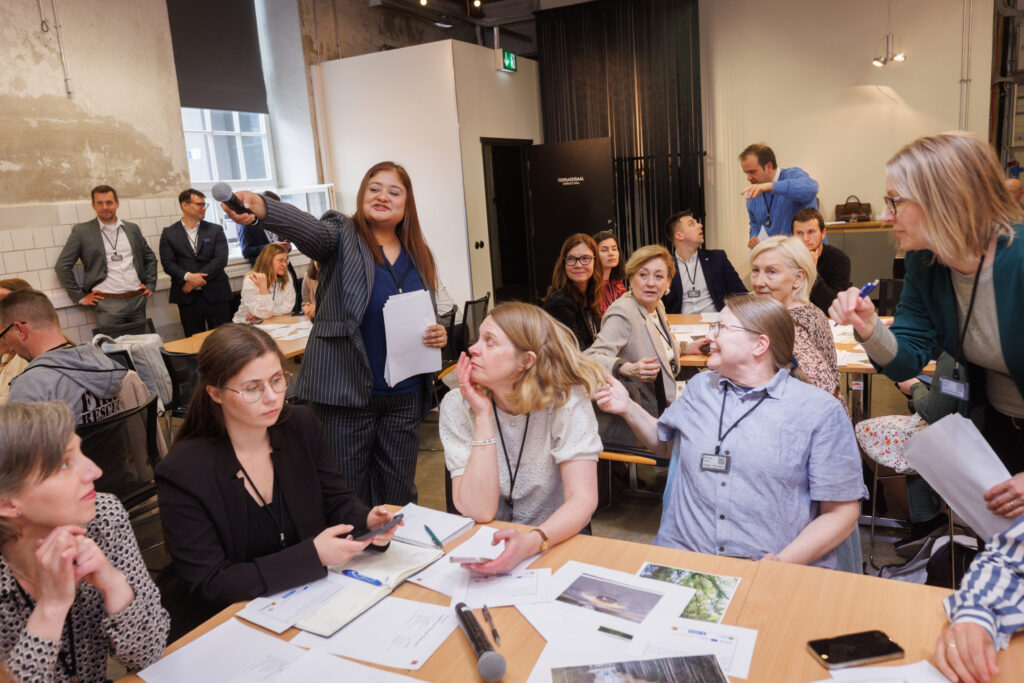
In addition to the high-level panel discussions, there were parallel sessions for smaller audiences, which allowed more in-depth discussions on specific topics, such as healthy ageing and taking care of human resources, innovation policy, climate mitigation and adaptation in cities, urban mobility, and regional food systems – just to name a few.
The sessions didn’t just present successful cooperation cases in the Baltic Sea Region. They also showcased the myriad of actors implementing the Strategy. Altogether, over 700 participants had registered for the three-day event series, which started with the BSSSC Day of Cities and Regions and was combined with the UBC Executive Board meeting. The Forum was fully booked in just over two weeks, indicating the interest in the region in building and reinforcing transnational linkages and cooperation.
Annual Forum 2026 parallel sessions
The regional recipe for a strategic environmental assessment in maritime spatial planning
Hidden treasures of the Baltic Sea and where to find them
SmartAging 2040 – Ageing as a driver of resilience in the Baltic Sea Region
Ukraine cooperation at local level – from crisis response to practical capacity-building
Flood simulation exercise showcases crisis response roles
Resilience is built, not assumed – sustaining the health and care workforce under pressure
Mind the Gap – Permanent Cross-Border Platforms as silo-breakers between Regions and the EU
Advancing Spatial Resilience in the Baltic Sea Region
How can regional food systems contribute to Nordic and Baltic resilience?
Strengthening crisis communication and cooperation in the Central Baltic Region
Co-creating Resilience – How Interreg Cooperation Helps the Baltic Sea Region Stay Strong Together
Maritime Safety Risks and Regional Preparedness in the Baltic Sea
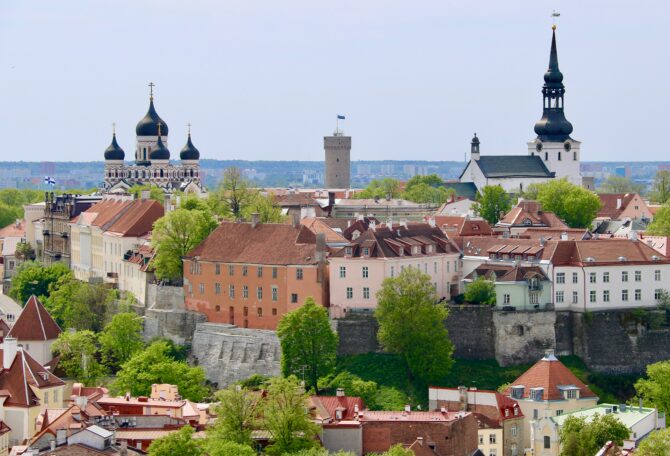
The host for the Annual Forum 2026 is the City of Tallinn and the Forum is organised together with the Council of the Baltic Sea States Secretariat (CBSS) in close collaboration with the Ministry of Foreign Affairs of Estonia and the Baltic Sea Strategy Point. The event is funded by the Interreg Baltic Sea Region Programme, the City of Tallinn and the Council of the Baltic Sea States Secretariat.