
 Back
BackSecuring the Future – 16th EUSBSR Annual Forum
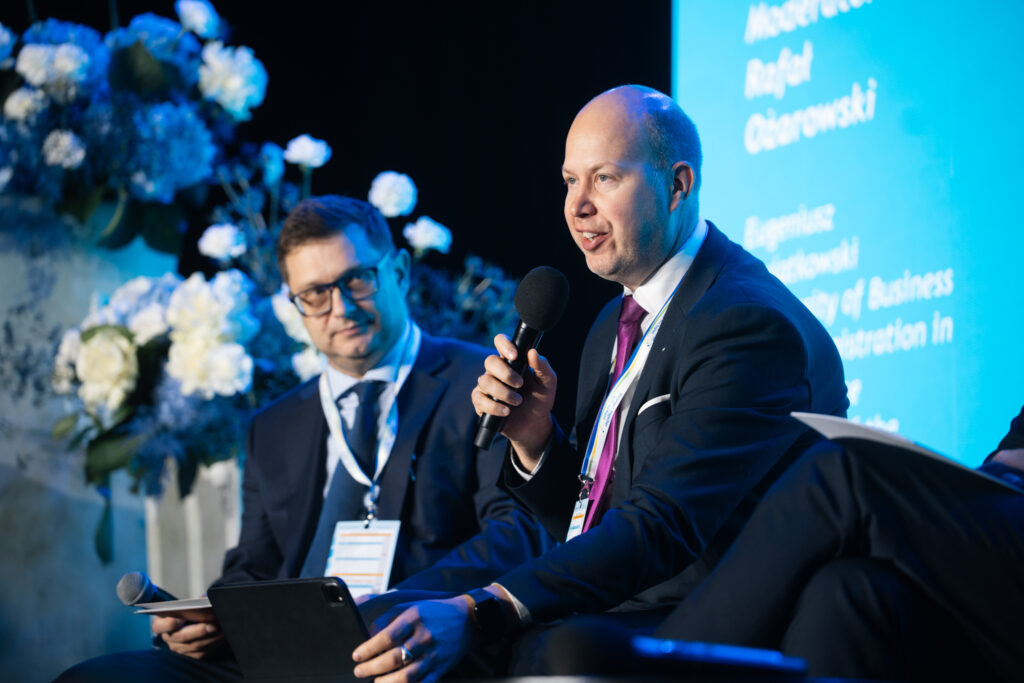
Last week of October, the coastal city of Sopot in Poland turned into a hotspot of cooperation in the Baltic Sea Region. In addition to hosting the Annual Forum of the EU Strategy for the Baltic Sea Region, the city hosted the Day of Cities and Regions by the Baltic Sea States Subregional Co-operation (BSSSC) and a myriad of working-level meetings. Combining the live events is a practical and valuable step to foster multilevel cooperation across the region.
Cohesion through the lens of security
“The Baltic Sea should be a sea of peace, prosperity, and freedom,” said Igor Taro, Estonian Minister of the Interior, in the opening panel of the Annual Forum. The 16th edition of our Annual Forum focused on the questions of security and resilience, and Taro’s statement summarised well the discussions both on and off stage. The framework of the EU Strategy for the Baltic Sea Region doesn’t cover the topics of hard security and defence. However, all aspects of cooperation within the Strategy can, and perhaps even should, be studied through the lens of security, as Gustav Lindström, Director General of the Council of the Baltic Sea States (CBSS) Secretariat, pointed out.
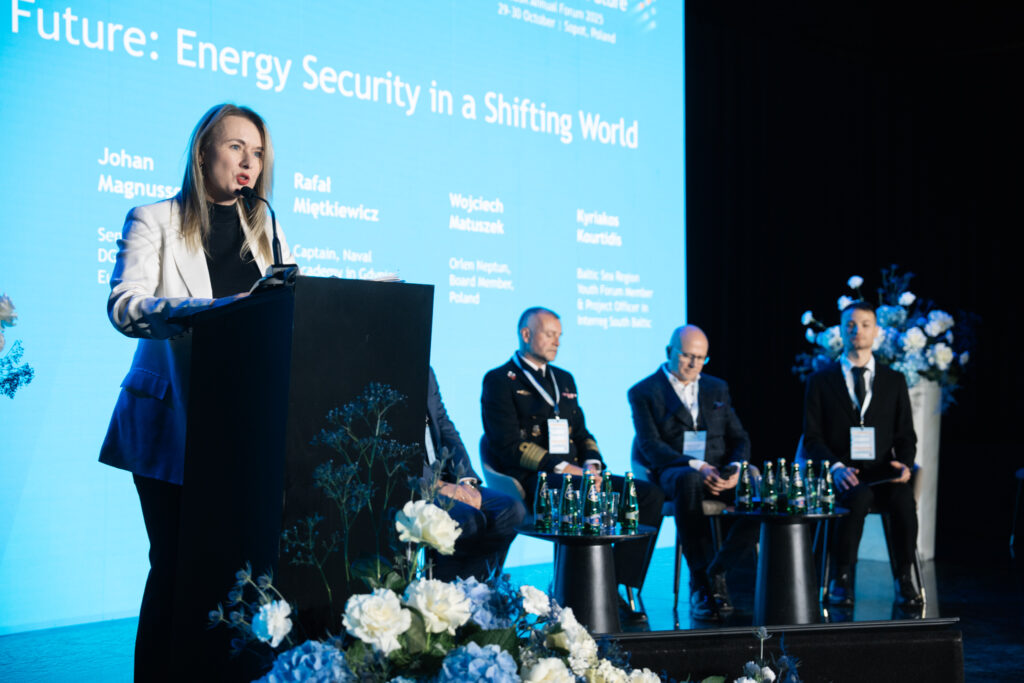
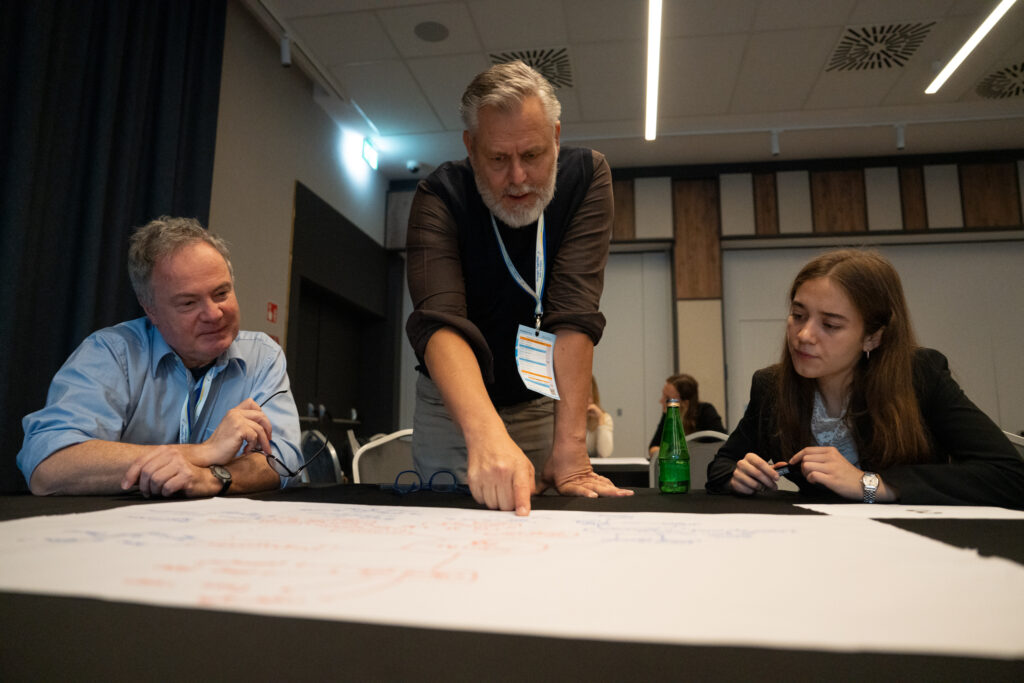
The three plenary sessions at the forum centered on comprehensive security, energy security, and the economy in a shifting world. The 16 focused parallel sessions allowed time for in-depth discussion on topics like regional and climate resilience, future-ready businesses and AI, sustainable working life, competence development, Eastern border regions, and climate adaptation. There was a strong consensus that security talk cannot drive over everything else. Investing in culture and societal cohesion in uncertain times is a must, as highlighted by Glaudia Müller, member of the Bundestag for Mecklenburg-Western Pomerania, Germany.
Action Plan update reinforces transnational cooperation
The member states of the Strategy are currently ongoing an update process of the Action Plan for the Strategy to be ready for the next EU budget cycle starting in 2028. Updating the emphasis of macro-regional cooperation and reinforcing the unity around the Baltic Sea is also timely in the volatile security situation the EU is facing.
At the Day of the Cities and Regions, Tõnis Nirk, representing the Estonian Chair of the Strategy, highlighted the following topical aspects of the macro-regional approach:
- Security. The update of our Action Plan has been made so that all 14 policy areas contribute to the resilience of the region. The importance of strategic collaboration across the region is ever-increasing.
- Multilevel governance is closely linked to resilience supporting it. This approach is the meaningful way forward.
- Now is the time to engage in the EU Multilevel Financial Framework discussions. This is the framework that defines financing of cohesion policy and for example, Interreg programmes, which are designed to enhance cross-border and transnational cooperation.
- Engaging the youth is and should be of key importance for all actors in the Baltic Sea Region.
More about the Annual Forum
- Building the Baltic Sea Region’s AI Future: From Hype to Real Impact
- New Circular Economy Solutions: Perspectives to Circular Economy in a Panel Discussion
- Energy Transformation: pathways to Baltic Sea region‘s energy resilience
- The Soft Core of Hard Security: Community Cohesion and Agency in Times of Insecurity
- Routes That Resonate: Tourism and Culture as Bridges in the Baltic Sea Region
- Economy of Wellbeing of People: Building Sustainable Working Lives in the Baltic Sea Region
- Regions bordering Russian Federation and Belarus
- Beyond Borders: Turning Interreg Results into Policy Action
- Are Our Green Fuels Ready for Green Shipping Corridors?
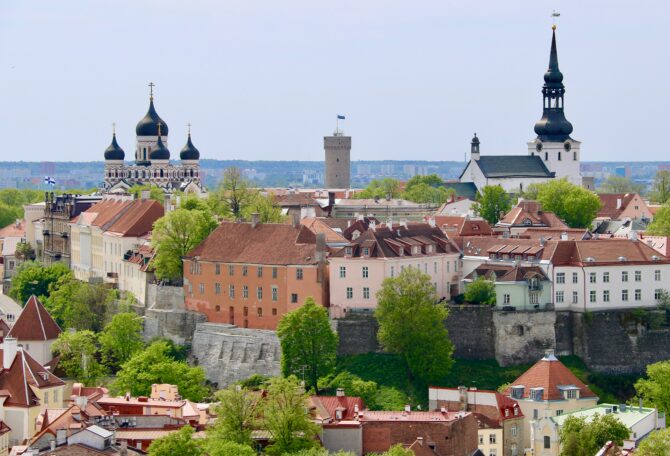
We thank all participants, speakers, organisers, volunteers, and everyone else who made the 16th EUSBSR Annual Forum the success it was! Next year, 12-13 May, we meet in Tallinn!
The host for the Annual Forum 2025 is the Pomorskie Voivodeship, and the Forum is organised together with the Council of the Baltic Sea States Secretariat, in close collaboration with the Ministry of Foreign Affairs of the Republic of Poland and the Baltic Sea Strategy Point. The event is funded by the Interreg Baltic Sea Region, the Pomorskie Voivodeship, and the Council of the Baltic Sea States.