
 Back
BackAnnual Forum 2024: BioBoosters Showcases Innovation
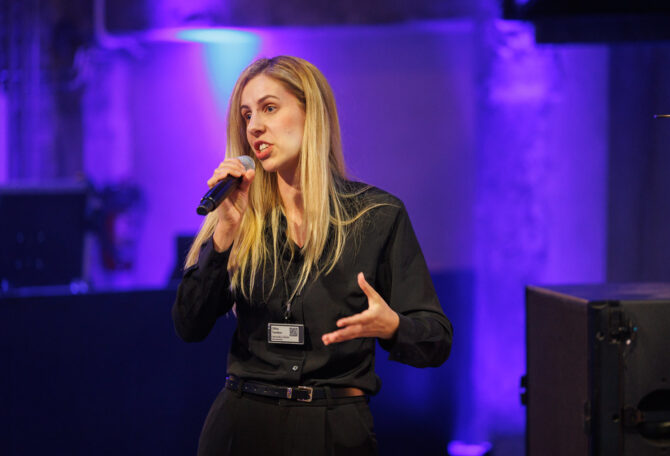
The BioBoosters project organised a workshop “Business-Driven Cooperation for Sustainable and Resilient Bioeconomy in the Baltic Sea Region” at the EUSBSR Annual Forum in October. The forum provided an excellent platform to discuss resilience, sustainable development, digital transformation, and cross-border cooperation. BioBoosters workshop highlighted the crucial role of bioeconomy innovation in addressing these challenges.
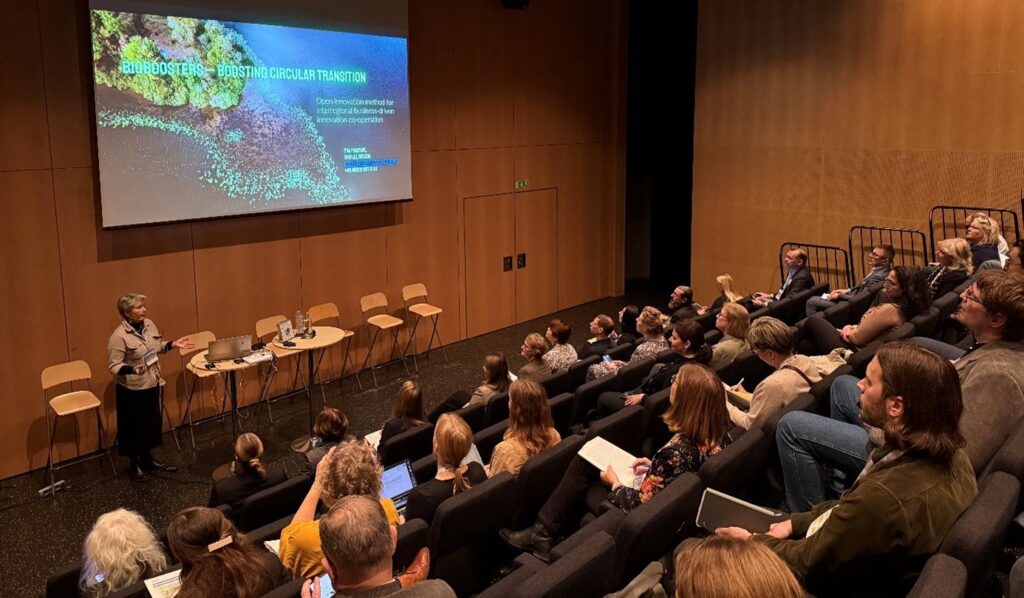
The project BioBoosters project is funded by Interreg Baltoc Sea Region Programme. It brings together bio-based businesses in rural areas to share the know-how in circular production, and trigger green business opportunities. The workshop was a joint production of Strategy’s Policy Areas Innovation and Bioeconomy.
Key takeaways from the session
1. The key force driving innovation is the open-mindedness of all participants towards new ideas and solutions to address everyday challenges within the company. This mindset is the starting point for making processes more sustainable and for generating new business ideas.
2. The success of BioBoosters relies on clear missions, well-defined goals, and strong partnerships across the region.
3. A thriving bioeconomy innovation ecosystem requires adequate funding, talented individuals, and supportive policie
4. Concrete actions and active stakeholder engagement are essential for driving innovation forward.
The workshop underscored BioBoosters’ commitment to fostering a sustainable and resilient bioeconomy in the Baltic Sea Region through business-driven cooperation. As the project moves forward, these insights will guide the efforts to create lasting impact and drive positive change in the region’s bioeconomy landscape.
Expanding the key takeaways
1. Collaborative Innovation Drives Creativity – Bringing together individuals with diverse skills encourages innovation, as varied perspectives foster creative problem-solving and new ideas.
2. Synergistic Power of Teamwork – Collaborative efforts create synergies, yielding ideas that are often unattainable when working alone. Many participants found that collective brainstorming led to superior solutions.
3. Global Reach of International Hackathons – International hackathons attract participants from different regions and fields, enhancing the variety of proposed solutions and promoting cross-cultural knowledge exchange.
4. Enhancement of Local Innovation Ecosystem – By involving international experts, local innovation networks benefit from a richer knowledge base, which also raises local visibility on the global stage, potentially attracting investment and partnerships.
5. Market-Relevant Hackathon Focus – Business-oriented hackathons are designed around real market needs, focusing on practical problems that are directly applicable to industry challenges, increasing the likelihood of impactful solutions.
6. Improved Solution Viability – Solutions developed in business-driven hackathons are more likely to be adopted in the industry, as they address concrete challenges that companies face.
7. Bridge Between Ideas and Market Introduction – Partnerships with companies during hackathons help bridge the gap between innovative ideas and practical market implementation, facilitating smoother transitions from concept to product.
8. Innovation as a Key to Sustainable Business – An open-minded approach to new ideas is essential for innovation, sustainability, and developing new business opportunities, fostering a mindset crucial to adapting and thriving in the future market.
9. Interdisciplinary Knowledge Transfer is the Future – Cross-discipline research and real-time knowledge transfer align closely with market needs, breaking down silos to create value and foster sustainable solutions for future markets.
10. Importance of Funding Aligned with Industry Needs – Funding programs like CBE-JU, which focus on industry-relevant research, support projects with high future potential, encouraging academia to engage with industry needs and setting the stage for a new era in research.
More information
The workshop was organized by the BioBoosters Project, The Baltic Institute of Finland, EUSBSR Policy Area Innovation, EUSBSR Policy Area Bioeconomy, with moderators Gudrun Mernitz from WITENO GmbH and Annemari Sinikorpi from JAMK University leading the session.