
 Back
BackAnnual Forum 2024: WWF co-creates key solutions for offshore wind expansion
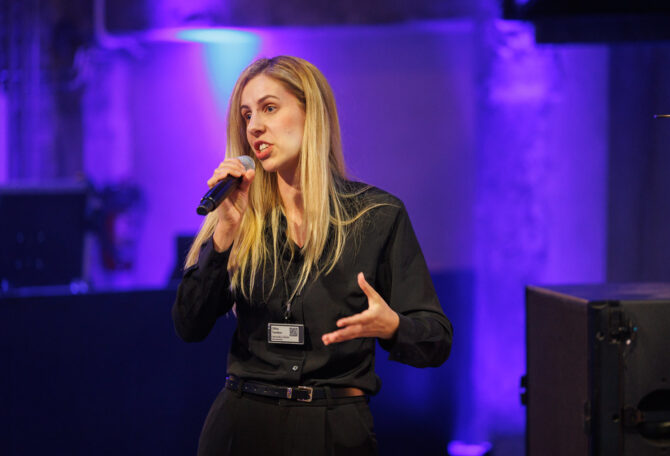
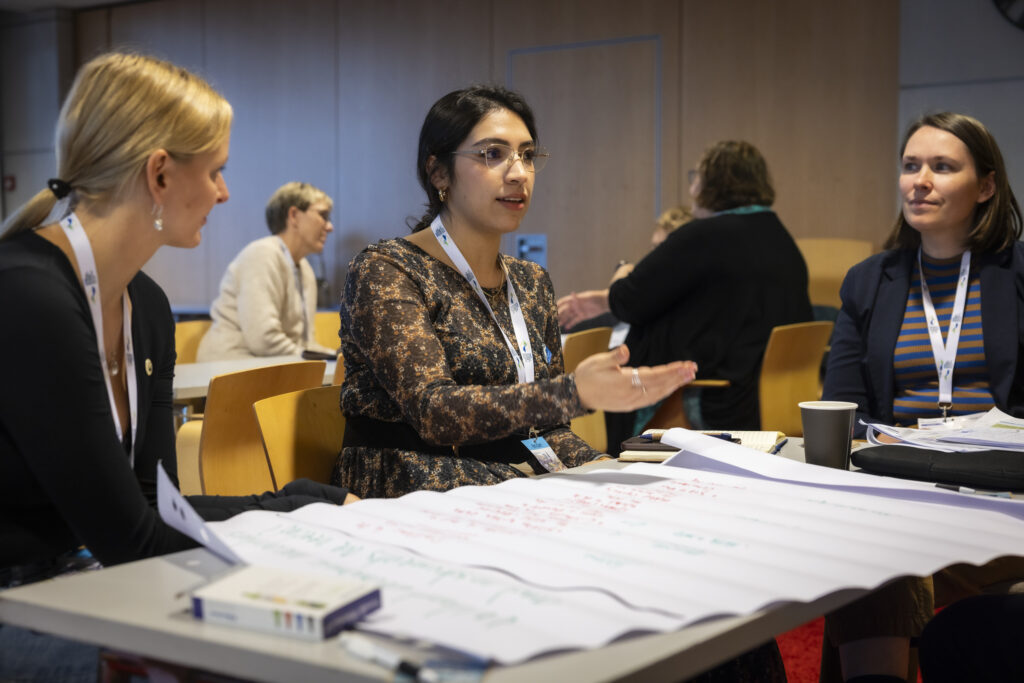
The WWF Baltic Sea Programme held an interactive workshop as part of the EUSBSR Annual Forum 2024 in Visby, Gotland in Sweden. The workshop, entitled ‘Shared Waters: Harmonizing Offshore Wind, Marine Protection and Planning in the Baltic Sea’, hosted participants from a variety of backgrounds to discuss the barriers and solutions to achieving nature-friendly expansion of offshore renewable energy (ORE). The fruitful dialogues resulted in numerous key action points being decided on.
The need to harmonize
The WWF workshop came at a pivotal time: the EU has set ambitious nature and energy targets which risk conflicting if they are not harmonized. Driven by the urgency of the global climate crisis and the need for energy independence, the EU has suggested a massive scale-up of renewable energy, increasing its share from a current 24% as of 2023 to 45% by 2030. Offshore wind energy, with its low-cost and reliable output, is likely to play a key role in this transition.
Simultaneously, the new Nature Restoration Law seeks to restore 20% of the EU’s land and sea ecosystems by 2030. Additionally, Baltic Member States have committed to protecting 30% of their seas by the same year, aligning with global biodiversity targets and the need to bend the curve on climate change and biodiversity loss.
These dual objectives—expanding renewable energy and restoring ecosystems—can easily come into conflict, as infrastructure development can harm sensitive marine ecosystems. However, offshore wind energy offers a unique opportunity to not only reduce emissions and increase energy capacity, but also to potentially enhance marine ecosystems if developed responsibly. Although there have been calls and suggestions for guidelines to be developed for the planning of nature-friendly expansion of ORE, there is a further need to identify key action points for the region to ensure harmony between energy and nature across the Baltic Sea.
Key solutions developed
The Shared Waters workshop tasked participants with coming up with key enabling factors and barriers to reaching three ideal scenarios for the Baltic Sea:
- Different policy goals (e.g. nature, energy, maritime safety, security) are reconciled and synergies between policies have been created.
- ORE permitting processes run smoothly, environmental impacts are properly addressed and different stakeholders are involved.
- ORE expansion is planned across the Baltic Sea as a whole, taking cumulative impacts into account and leaving enough space for nature.
Through group discussions and voting on the key challenges and solutions, a few overarching action points were identified across the visions:
- Enhance regional cooperation and multi-level governance across policy areas and sectors.
- Improve data sharing through regional guidelines and tools.
- Harmonize legislation interpretation across the Baltic Sea region.
- Streamline ORE permitting processes with government support.
- Ensure early stakeholder involvement in ORE planning and permitting.
By co-creating solutions, the workshop developed key strategies for the Baltic Sea region to focus on moving forward to ensure the three visions become reality. The workshop outcomes will be further developed into a brief, which will be available on the WWF Baltic Sea Programme website once finalized. By harmonizing the expansion of offshore wind energy with marine protection and restoration, we can ensure a sustainable, secure and resilient future for the Baltic Sea region.