
 Back
BackAnnual Forum 2024: The EUSBSR empowering sustainable rebuilding of Ukraine
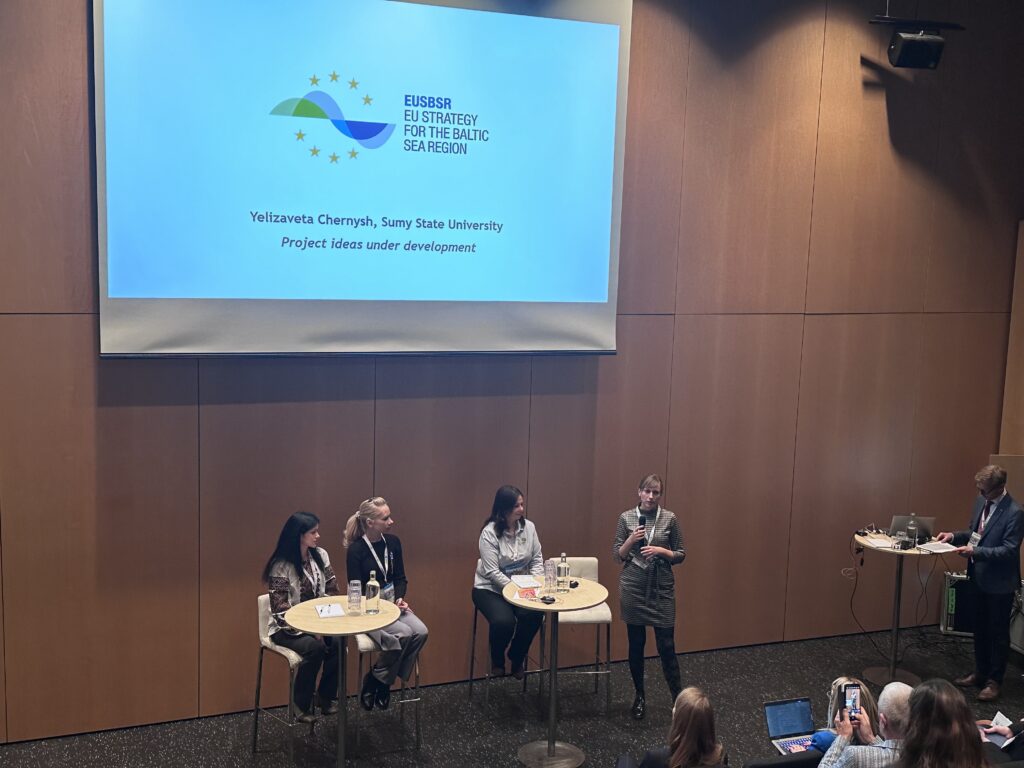
Policy Areas Nutri, Bioeconomy, Hazards and Ship jointly organised a workshop about Empowering sustainable rebuilding of Ukraine at the EUSBSR Annual Forum. Several Ukrainian speakers emphasized how Ukraine is active in seeking democratisation of organisations and alignment with EU regulations in the whole society and also in the environmental field. The speakers also brought up several needs for further cooperation and called for new partners to projects.
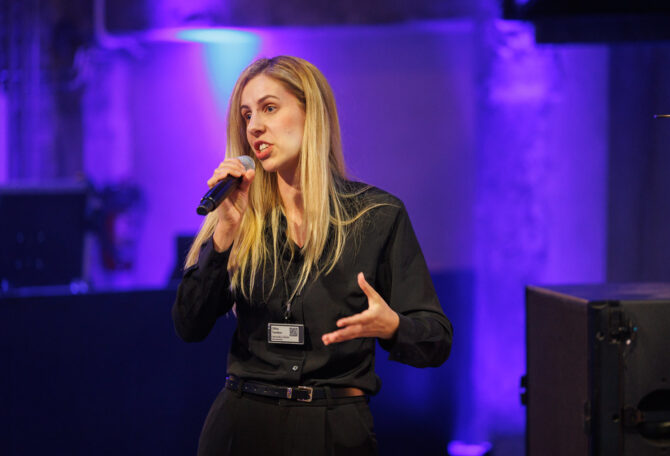
In his opening speech Torfi Johannesson from PA Bioeconomy set the stage for a workshop focused on the sustainable rebuilding of Ukraine. He emphasized the importance of project development and networking to support Ukraine’s future. “We need to see where we are now, where we want to go, and what we have to do to get there,” he stated, setting a clear path forward.
Recent advancements and challenges in Ukraine
Nadija Afanasieva: Cooperation for EU Accession
Nadija Afanasieva director of Ukrainian Institute for International Politics highlighted Ukraine’s journey towards EU accession, stressing the need for cooperation from regions and communities. She reminded participants that the war, which began in 2014, has created ongoing challenges. Despite this, areas far from the frontline are driving economic development and are ready to collaborate internationally. Afanasieva called for closer EU-Ukraine collaboration, noting the importance of aligning with EU legislation for Ukraine’s future.
Yelizaveta Chernysh: Environmental Challenges
Yelizaveta Chernysh, associated professor at International Innovation and Applied Center “Aquatic Artery”, Sumy State University, addressed the severe environmental challenges Ukraine faces, both pre-war and especially during the conflict. Pollution, climate change, and biodiversity loss have all impacted ecosystems and water systems. Lack of energy has exacerbated these issues, making water purification and wastewater management difficult. Chernysh emphasized that environmental problems cross borders, affecting neighbouring countries as well. Loss of ecosystem services leads to declining of living standards, but also issues related to food security, energy security and biodiversity. She called for comprehensive data collection to assess the current status and risks and international cooperation with getting that done.
Nataliia Kruta: River Basin Management
Nataliia Kruta introduced Ukraine’s first river basin management plans that are fulfilling the requirements of EU’s Water Framework Directive and modelled after European water management practices. She focused on the Vistula river basin, highlighting the significant pollution challenges. To tackle these challenges a program of 82 measures is in place, with implementation set to begin in 2025. Kruta pointed out the need for better monitoring and data collection, especially given the war’s impact on pollution levels.
Andrii Dinets and Innola Novykova: Modernizing Agriculture
Andrii Dinets and Innola Novykova from Kyiv Agrarian University discussed the modernization of agriculture and alignment with EU regulations. They shared their experiences with international cooperation and the severe soil pollution caused by the war. Dinets called for more projects to prepare for post-war recovery and highlighted their food security initiatives and the creation of an electronic agrarian trading platform.
Conclusions from the first part of the workshop
The first part of the workshop underscored the resilience and determination of Ukrainians to rebuild their country through cooperation and international support. The examples shared by Afanasieva, Chernysh, Kruta, Dinets, and Novykova highlighted the critical need for international collaboration in various sectors to ensure a sustainable and prosperous future for Ukraine.
Inspiring Cooperation for Ukraine’s Future
In the following panel discussion, innovative project pitches showcased the collaborative spirit driving Ukraine’s sustainable development.
Clean Baltic Source Project
Nataliia Kruta introduced the Clean Baltic Source project, born from a 2022 seminar on Ukraine’s ecosystem and economy. With outdated wastewater treatment plants under pressure due to migration, partners from Poland and Sweden joined forces to exchange on good practices in wastewater treatment. Through seminars and workshops, communities learned from each other, culminating in a study visit to Stockholm and an EU LIFE application. This project marks the beginning of fruitful cooperation and development.
Agricultural Cooperation
Nataliia Cholovska of Ecoterra LCCC highlighted efforts to promote organic produce and healthy eating habits. For over a decade, Ecoterra has cooperated with Coalition Clean Baltic in education of consumers and supporting green initiatives like greenhouse installations in Lviv. Cholovska seeks further support to integrate organic products into public procurement. She also calls for information and cooperation on implementation of the Nitrate Directive, the health impacts of organic produce and financial instruments for farm infrastructure.
Veteran support through nature
Sofia Melnyk emphasized the shift in tourism towards supporting Ukrainian veterans and their families. Her vision includes creating cycling paths, a kayaking centre, and therapeutic services to boost regional economies and aid veteran rehabilitation. She is looking for partners for cooperation towards the vision.
Environmental Data and Innovation
Yelizaveta Chernysh stressed the need for new data on water bodies and ecosystems. She proposed using satellite systems and mobile laboratories to assess and improve local water systems, highlighting the importance of accurate data for effective environmental management.
Audience Engagement and Future Prospects
The discussion saw enthusiastic participation, with calls for practical knowledge sharing and the inclusion of Ukrainian experts in international projects. The event concluded with encouragement to connect with EUSBSR Policy Area coordinators for further cooperation and promise to follow-up on the cooperation ideas that were presented by speakers.