
 Back
BackA milestone event for territorial cooperation in the EU
There are four macro-regional strategies in the EU, fostering cooperation in 3/4 of all EU member states. In addition, there are three EU sea basin strategies, which are cooperation structures for protecting the sea basins. Last week, all seven territorial strategies of the EU got together for the first time, to exchange on the regional cooperation in Europe. The strategies come from different origins but share similar goals and the view that some challenges cannot be solved on the national level alone.
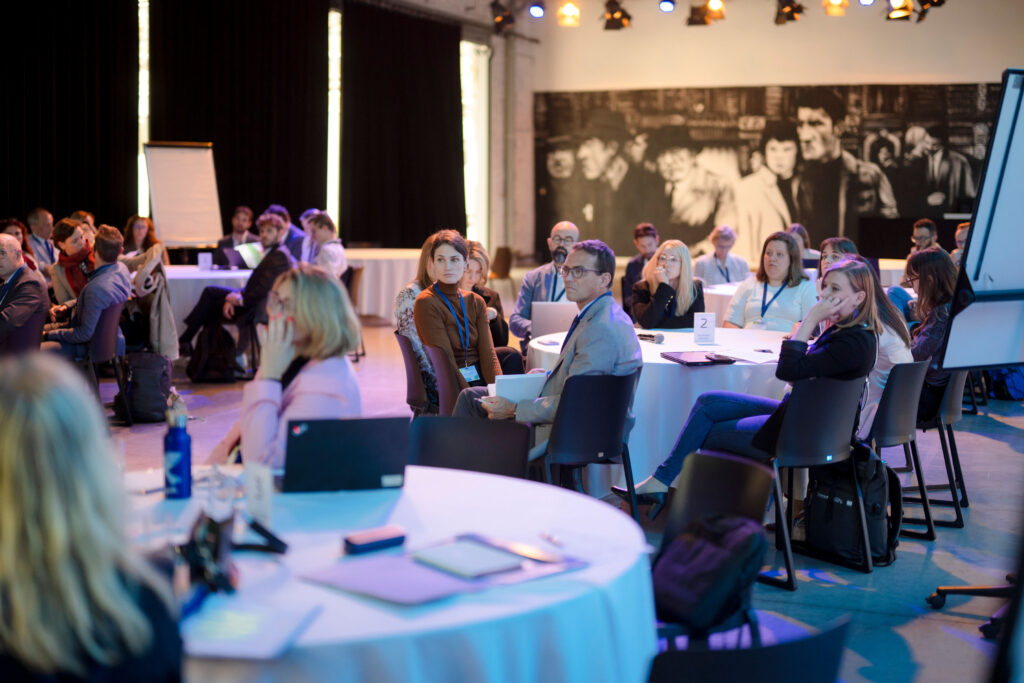
Over the two days in Brussels, implementers of the seven macro-regional and sea basin strategies discussed the possibilities and benefits of the regional approach and cooperation, looked for synergies between the different structures and dived into EU enlargement and the role the strategies can play in supporting the process. The organisers of the event had identified five cross-cutting themes which were discussed more in-depth: energy transition and climate, EU enlargement, smart specialisation, civil society and youth involvement, and funding the actions.
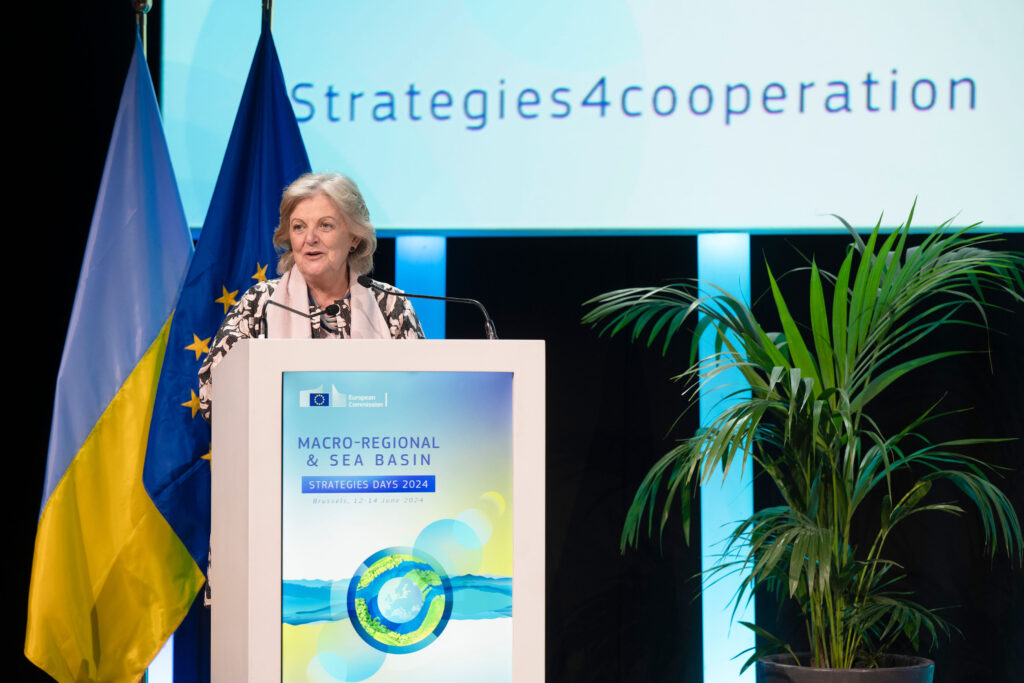
Commissioner for Cohesion and Reforms, Elisa Ferreira highlighted the need for cooperation and praised how the strategies enhance European core values such as democracy and equality. At the same time, she reminded about digital, social and energy transition, contribution to the enlargement, political support for the strategies and the continuous need for communication and awareness-raising.
Shared cohesion policy goals
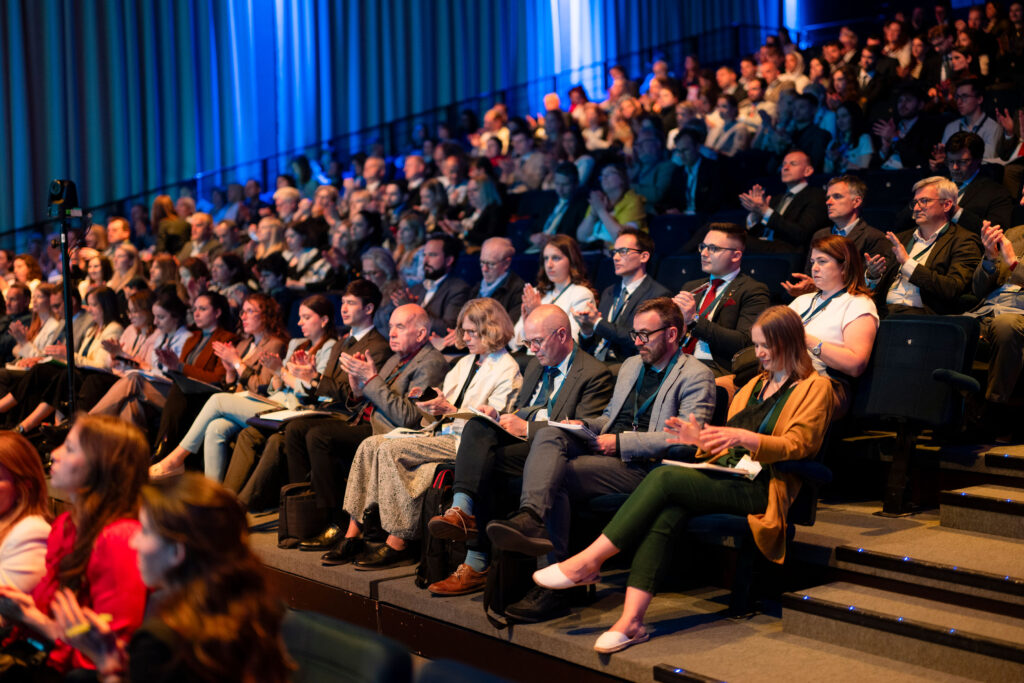
During the two- days event , it was mentioned in more than one speech, that the geopolitical instability at the borders of the EU requires a strong signal that the Union stands united. Bringing the seven territorial cooperation structures together was a novel attempt from two Commission departments to strengthen this unity. The Directorate-General (DG) for Regional and Urban Policy and the Directorate-General for Maritime Affairs and Fisheries manage the macro-regional strategies and the sea basin strategies respectively.
All territorial strategies share similar cohesion goals and base all their actions on the assumption that the national level is not sufficient for many challenges, such as the pollution of the sea and the climate crisis. The working methods, goals and approach are the same in all the strategies. Sharing best practices is only a natural way forward.
There was also a practical reason to bring the cooperation structures together: The organisers had invited representatives from 16 DGs to maintain a reception at the venue, allowing the thematic coordinators who implement the strategies to build personal connections with the EU level. Both the sea basin and the macro-regional strategies are fully aligned with the main EU policy papers and in place to move the EU agenda on the national level. This applies also to the activities in non-EU countries. Building connections with relevant counterparts in the DGs enables and improves this work.
Synergies
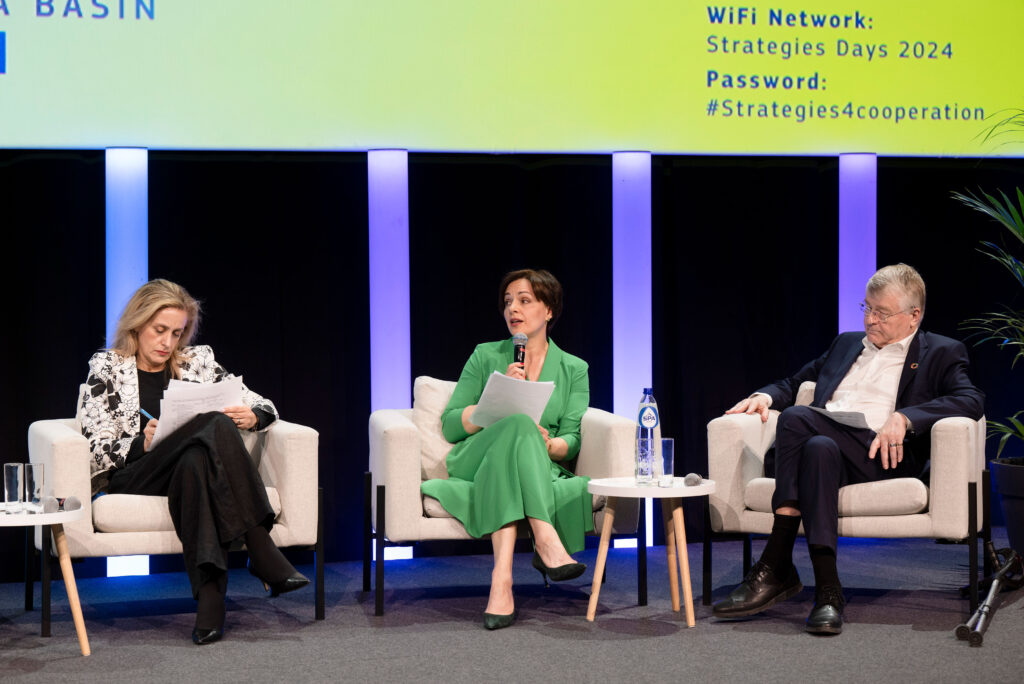
In a panel discussion on synergies among the strategies, Vice-President of the European Committee of the Regions, Markku Markkula pointed out that Europe is full of initiatives. The trick is to bring these activities together and aim for a systematic transformation. Markkula’s message is that together we can do a lot but there has to be a strong political will to do so. The EU territorial strategies are multilevel by nature, covering the regional, national and international levels. Mathilde Konstantopoulou, the Greek National Coordinator for the Strategy for the Adriatic and Ionian suggested that we add one more level on top, which is for the strategies to cooperate more with each other.
The Latvian National Coordinator for the Strategy for the Baltic Sea Region, Andra Kuzmina, listed several topics where the strategies can find synergies, starting from the dilemma of the sea as a shared resource and the geopolitical challenges countries are facing. At the same time, she reminded the audience that even if countries need to take joint actions to address cross-border issues such as the climate crisis and pollution of the sea, the macro-regional approach is not a silver bullet to solve every problem. One has to be cautious about the resources and think carefully when there is a need for going macro-regional.
Isabelle Perret, the National Coordinator for the Atlantic Maritime Strategy called for a holistic view of the many challenges. All actors need to stop separating the land from the sea and start viewing the big picture. A lot of the pollution in the sea comes from the land. A considerable hindrance to meaningful work seems to be that separate actors deal with the two. This is why she found the Strategies Days such a valuable event, marking the first step to more cooperation and integration of the two kinds of strategies.
EU Macro-Regional and Sea Basin Strategies Days 2024 were organised on 12-14 June in Brussels by DG Regio and DG Mare. This was the first time the seven cooperation structures were brought together.