
 Back
Mental Health in All Policies: what the Baltic Sea Region can offer
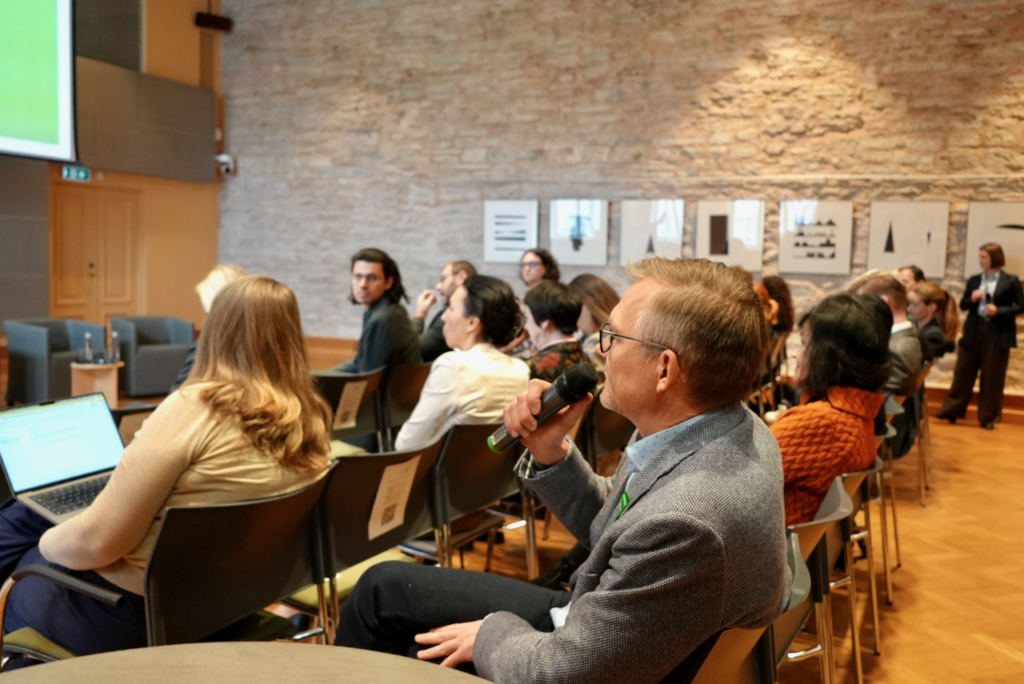
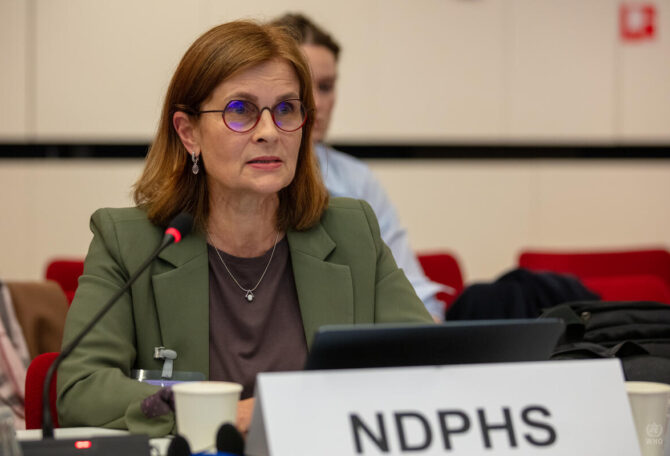
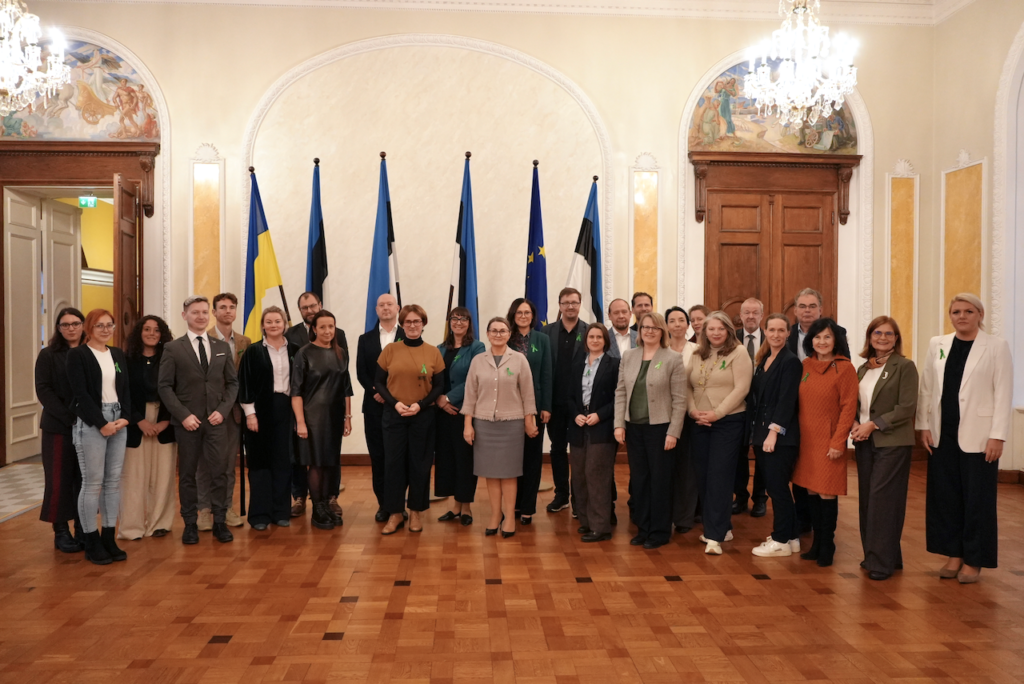
PA Health Coordinator/NDPHS Secretariat Director Ülla-Karin Nurm joined policymakers and experts to discuss the economic and social case for sustained investment in mental health at Mental Health Europe’s (MHE) conference “Investing in Mental Health for Resilient Societies”. Held at the Estonian Parliament (Riigikogu) in Tallinn on 4 November 2026, the conference brought together more than 130 participants in person and online, including researchers, civil society representatives and people with lived experience.
OECD modelling presented at the conference estimates that mental ill health costs around 1.7% of GDP across the EU, a figure comparable to the estimated costs of tobacco use or obesity. The conference also highlighted an access gap across OECD countries. Around 60% of people who need mental health care are unable to access it.
From European commitments to national investment
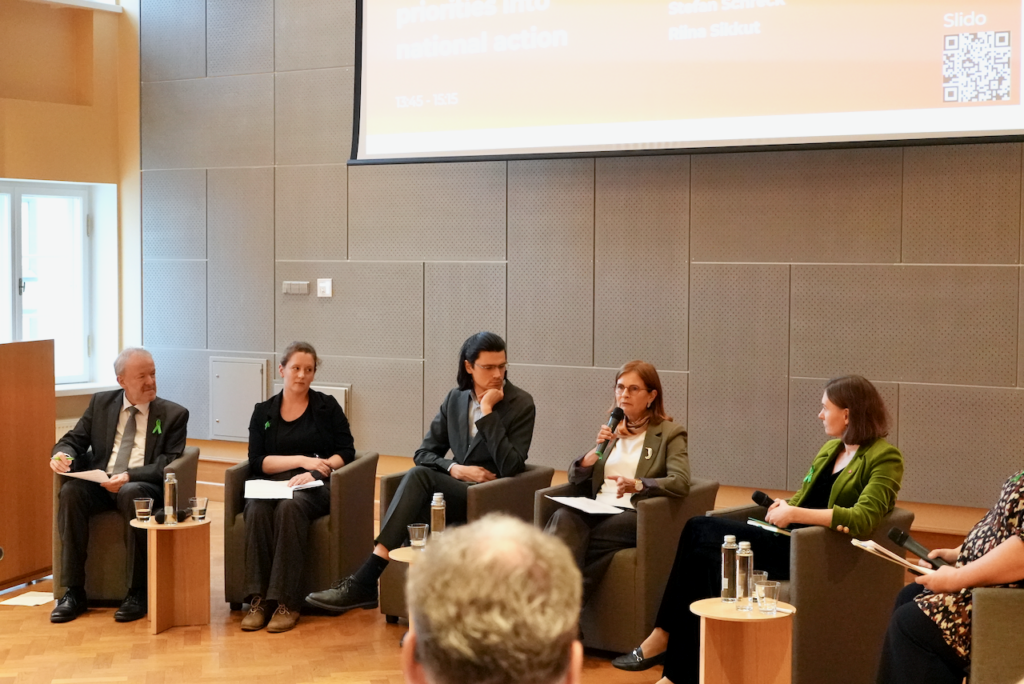
Ülla-Karin Nurm took part in a panel on how to translate EU priorities into national action, alongside Ann-Katrin Orr of MHE, Lithuanian Vice-Minister of Health Ignas Rubikas, Stefan Schreck of the European Commission’s Directorate-General for Health and Food Safety, and Riina Sikkut, a member of the Estonian Parliament and former Minister of Health.
The panel considered how the EU’s next long-term budget for 2028–2034 could support mental health across funding programmes. Panellists also discussed how ministries responsible for areas such as education, employment, housing and social protection can make mental health part of their spending decisions, and where cooperation between countries can support national investment.
How the Baltic Sea Region puts cross-sector cooperation into practice
Ülla-Karin Nurm highlighted the cross-sectoral and multi-level set up of the EUSBSR as a unique arena for cooperation on mental health in all policies. The Strategy, its 14 policy areas and the Interreg programmes that support them offer opportunities for breaking silos, finding synergies between sectors and testing innovative solutions. This is exemplified by the work of the Baltic Sea Region Mental Health Platform, which draws on results from projects across the region to develop policy recommendations for national and regional decision-makers on scaling up cross-sectoral, community-based interventions for mental health support and promotion. Led by PA Health/the NDPHS Secretariat and funded by Interreg Baltic Sea Region, the platform explores the themes of mental health support in settings such as school and work, mental health across the life course, mental health and physical activity as well as the benefits of arts and culture on mental health.
A practical example of the latter is Arts on Prescription. It brings health, social and cultural organisations together to connect people experiencing loneliness or mild to moderate mental health difficulties with group artistic and cultural activities. Keeping that support available over time raises one of the questions discussed in Tallinn. How can organisations from different sectors share responsibility for delivering and funding mental health prevention? Through the platform, decision-makers can learn from projects that have already put this kind of cooperation into practice.
Key takeaways
- Mental health is an economic issue as well as a health issue. OECD modelling estimates that mental ill health costs around 1.7% of GDP across the EU, putting it on a par with tobacco use and obesity.
- Too many people can’t get support. Nearly 1 in 5 people across OECD countries are affected by mental health problems, and around 60% of those who need care are unable to access it.
- Prevention works, but isn’t yet at scale. Effective tools already exist in schools, workplaces and primary care. The challenge is sustained investment to reach everyone who needs them.
- Investment has to reach beyond health services. Education, employment, housing, social protection and workplaces all shape people’s mental health, and participants stressed the role of workplaces in both prevention and support. (Source: Mental Health Europe)
Mental Health Europe organised the conference in collaboration with the BSR Mental Health platform partner Estonian Coalition for Mental Health and Well-being (VATEK), the Estonian Mental Health Society, Mental Health Perspectives (Lithuania), MIELI Mental Health Finland.