
 Back
Baltic Sea Tourism Forum 2026: Turning ideas into action for the future of tourism
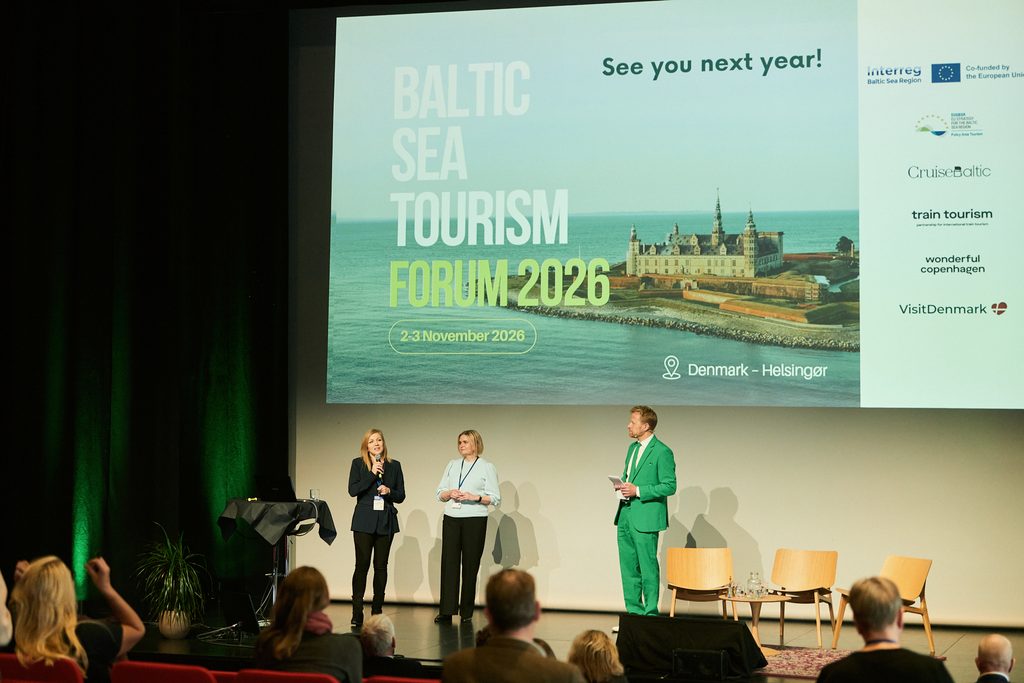
The Baltic Sea Tourism Forum 2026 brought tourism professionals from across the Baltic Sea Region to Helsingør, Denmark, on 2–3 November to exchange ideas, share practical solutions and discuss how tourism can become more sustainable, resilient and beneficial for the places where it takes place. This year’s Forum focused on four themes: changing tourism behaviour at scale, making cross-border rail tourism work, spreading the benefits of cruise tourism beyond the biggest ports, and exploring the future of tourism.
From sustainable intentions to practical choices
A recurring question throughout the Forum was how to turn sustainability ambitions into choices and actions that work in practice.
The discussions showed that meaningful change requires both scale and solutions that make sustainable choices easy and attractive for visitors. Examples from destinations around the Baltic Sea demonstrated how this can be done in different ways.
In Copenhagen, CopenPay encourages visitors to make positive choices such as cycling, travelling by train or taking part in environmental activities in exchange for experiences and rewards. In Skåne, destination development is being used to guide visitors towards less crowded places and encourage new ways of exploring the region. Tallinn highlighted how local food, meaningful experiences, resource efficiency and cooperation with businesses can combine sustainability with economic value. The session also saw the launch of the Baltic Sea Region Climate Smart Destinations Network, creating a new platform for destinations to cooperate and share knowledge on climate-smart tourism.
Better connections and benefits across the region
Cross-border mobility was another important topic. Making rail travel a realistic option for international visitors requires cooperation that goes beyond the tourism sector, bringing together destinations, transport providers and other actors across national borders.The Forum also explored how the benefits of cruise tourism can reach beyond the Baltic Sea Region’s largest ports. Examples from smaller destinations highlighted the value of local food, nature, culture and authentic encounters. Rather than focusing only on increasing visitor numbers, the discussion emphasised creating value for local businesses and communities while respecting the capacity and character of destinations.
Looking beyond visitor numbers
The final session turned towards the future of tourism and how success should be measured. One clear message was that visitor numbers alone are not enough. Tourism can contribute to stronger communities, local businesses, infrastructure and attractive places to live as well as visit.
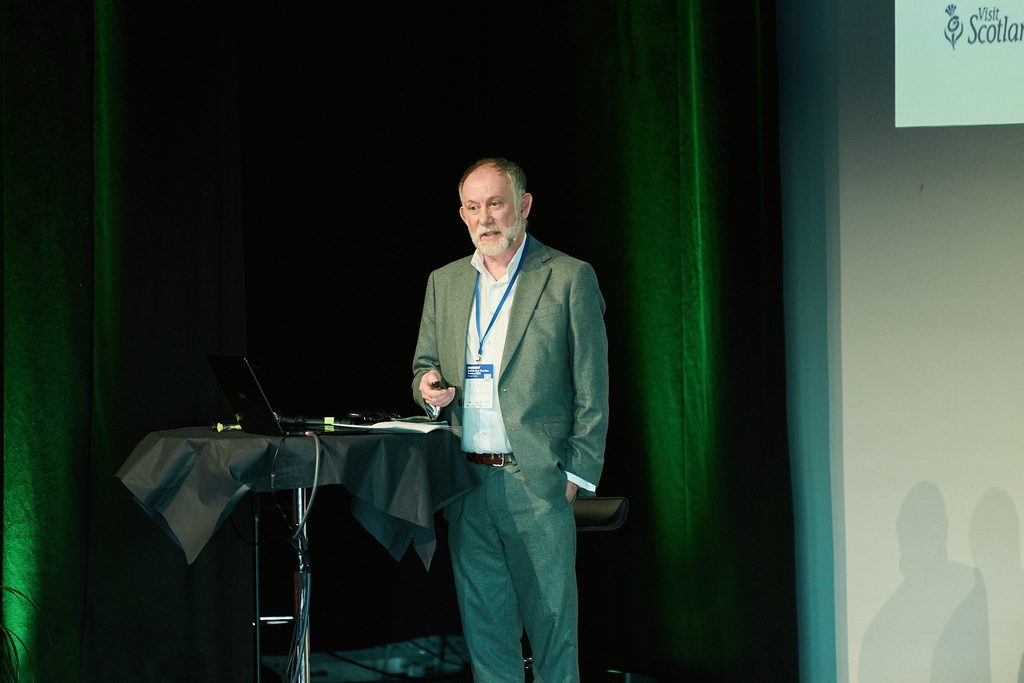
Ken Massie from VisitScotland captured this perspective in his closing message:
“The places that thrive tomorrow will not be the places with the most visitors. They will be the places where visitors help create a better future.”
This idea connected many of the discussions in Helsingør. The future competitiveness of Baltic Sea tourism is not simply about attracting more visitors, but about creating more value from tourism and making sure that this value benefits the places and communities where tourism happens.
Cooperation at the heart of the Forum
The Baltic Sea Tourism Forum once again demonstrated the importance of bringing different sectors and countries together. Challenges such as sustainable mobility, climate change and balanced tourism development cannot be solved by destinations acting alone. The Forum and the work of EUSBSR Policy Area Tourism also attracted attention in Danish tourism media. During the event, PA Tourism Coordinator Magda Leszczyna-Rzucidło spoke with Gry Koefoed from Turistmonitor about the Forum and PA Tourism’s work across the Baltic Sea Region. Read the Turistmonitor article.
BSTF 2026 was organised within EUSBSR Policy Area Tourism together with Wonderful Copenhagen, Cruise Baltic, Port of Helsingør, the Partnership for International Train Tourism and VisitDenmark, and co-financed by the Interreg Baltic Sea Region Programme and the organising partners.
Ultimately, the Forum reflected what Policy Area Tourism is about: bringing people together, creating connections and turning cooperation into practical action across the Baltic Sea Region.