
 Back
From first contact to lasting support: Baltic Sea Network explores youth outreach in Stockholm
How can youth guidance centres reach young people who are not in education, employment or training (NEET), particularly those who remain outside existing support systems? This question was at the centre of the Baltic Sea Network for Youth Guidance Centres and NEET Services meeting, held in Stockholm on 10–12 November 2026.
The City of Stockholm hosted the meeting as part of the School to Work flagship under Policy Area Education of the EU Strategy for the Baltic Sea Region (EUSBSR). The event brought together youth guidance practitioners, employment specialists and policymakers to exchange experiences and explore approaches to reaching young people who may not actively seek assistance.
From Kraków to Stockholm: Building a network for peer learning
The Stockholm meeting built on the launch of the Baltic Sea Network for Youth Guidance Centres and NEET Services in Kraków, Poland, in March 2026. During that first gathering, participants identified outreach as a key challenge for youth guidance services, highlighting the importance of finding, engaging and motivating young people who are not reached through conventional support systems.
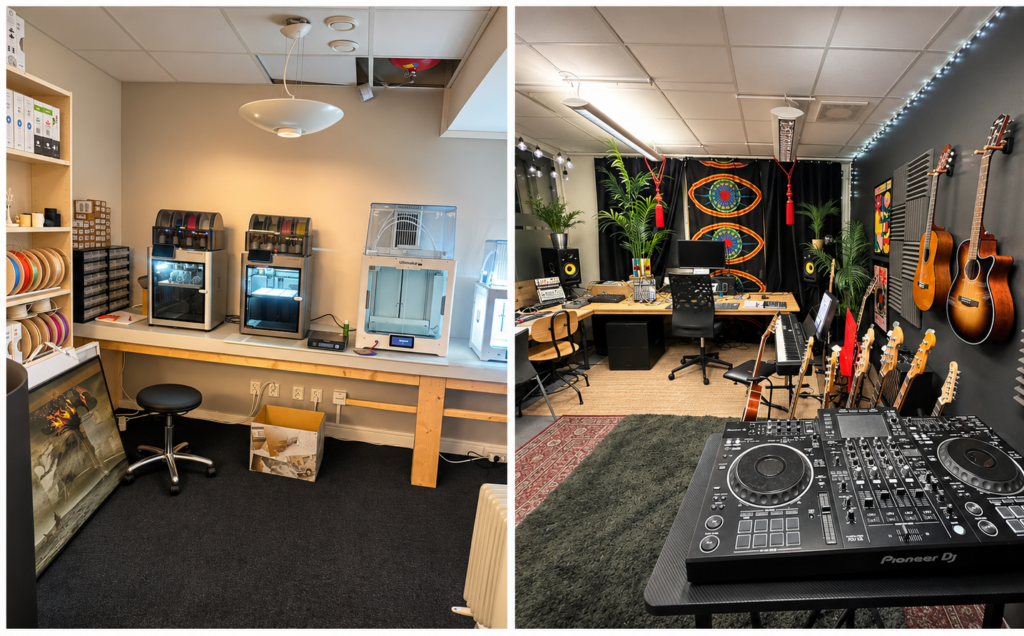
The programme began on 10 November with a welcome reception at Transformator, a youth-oriented centre in Stockholm bringing together employment guidance, coaching, creative activities and supported employment opportunities. The reception provided an opportunity to explore how accessible environments and integrated services can help young people take their first steps towards education, employment and wider social participation.
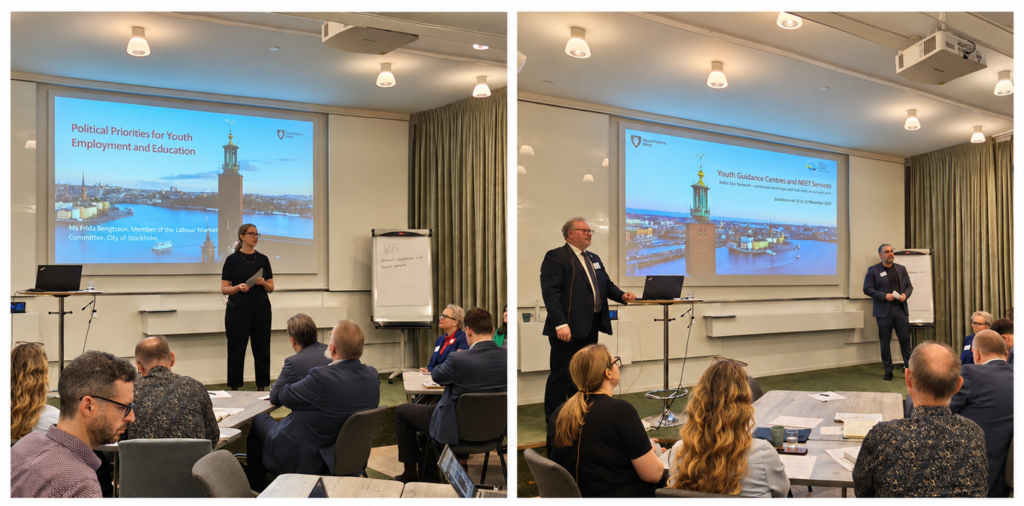
On 11 November, Frida Bengtsson, Member of Stockholm’s Labour Market Committee, opened the main programme.
Anders Bergström, Policy Area Coordinator for EUSBSR Policy Area Education, introduced the EU Strategy for the Baltic Sea Region and explained how the School to Work flagship serves as a collaborative platform within Policy Area Education. He also highlighted the importance of peer learning and long-term transnational cooperation.
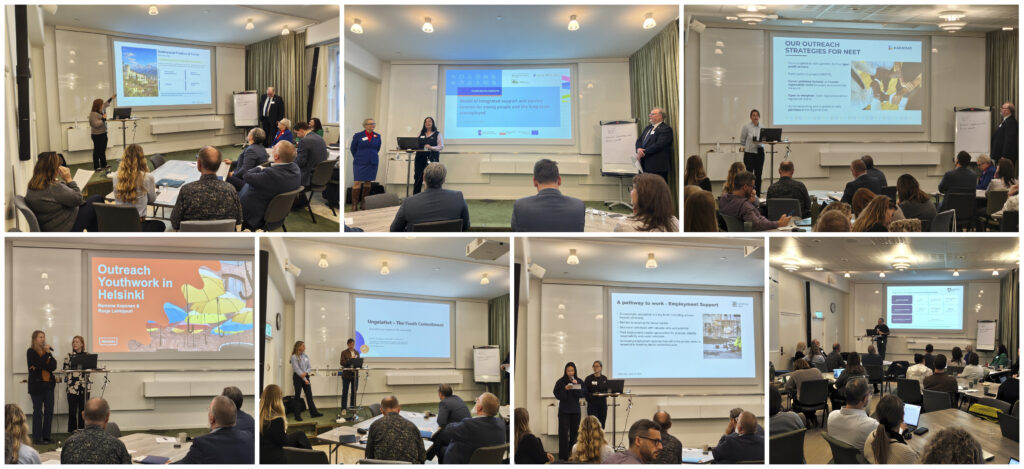
Hugo Pizarro Martinez, Head of Unit for Focus Outreach at the City of Stockholm, presented the city’s approach to reaching young people through local outreach teams, partnerships and coordinated support.
International approaches, shared challenges
International presentations provided insights into how different countries and regions are addressing the challenges of reaching young people who are outside education, employment or training.
Representatives from the Autonomous Province of Trento, Italy, emphasised that NEET is a statistical category rather than a personal identity. Young people in NEET situations have different circumstances, strengths and support needs. Trento also presented approaches combining personalised employment guidance with cooperation across education, health and social services, including outreach through link workers and community-based activities.
From Poland, the Regional Labour Office in Kraków presented the development of an integrated support and service centre model, drawing on experiences from 76 pilot centres. The approach brings together employment, education, social services and other relevant partners to offer more coordinated and individualised support.
Lithuania shared experiences from its 22 regional career centres, which offer career counselling, practical career exploration and services accessible to both registered and non-registered clients. Cooperation with local partners, employers and educational institutions plays an important role in reaching young people.
Representatives from Denmark introduced the Youth Commitment, an initiative supporting young people’s pathways towards education and employment.
The City of Helsinki, Finland, presented its approach to voluntary outreach youth work. Outreach workers contact young people through different channels, meet them in accessible settings and support them in navigating services according to their individual needs and choices.
The City of Gothenburg, Sweden, presented the work of its Social Intervention Group, which supports individuals seeking to leave criminal environments. Its approach combines coordinated assistance with opportunities for meaningful employment, recognising the importance of longer-term support in achieving sustainable change.
Despite differences in institutional structures and working methods, the presentations revealed common priorities; reaching young people who are not in contact with services, building trust, adapting support to individual circumstances and strengthening cooperation between organisations.
Four workshops exploring different barriers to participation
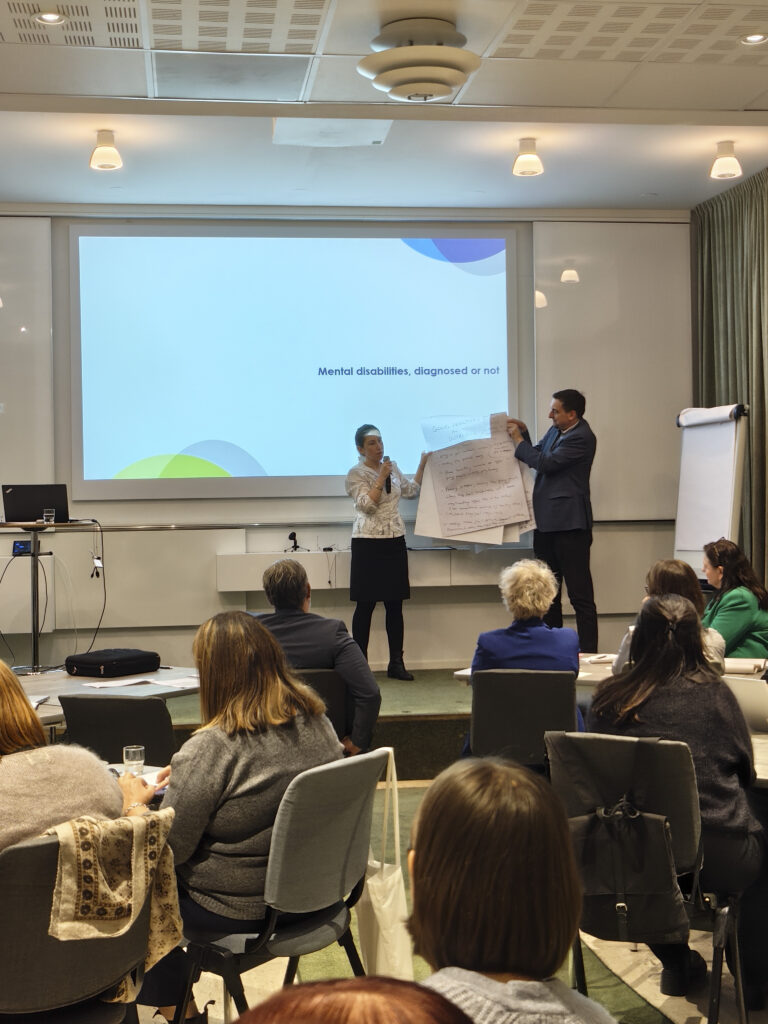
A central part of the meeting was dedicated to four parallel workshops, each focusing on a different group of young people and the challenges involved in reaching them and supporting their pathways towards education, employment and social participation.
1. Socially active young people facing difficulties transitioning into adulthood
Participants discussed young people who maintain social relationships but have limited motivation or direction towards education and employment. Many do not perceive themselves as needing assistance and are therefore unlikely to actively seek support. The discussion emphasised trust-based relationships, family engagement and non-judgemental guidance. Interest-based activities, job shadowing, short training opportunities and paid internships were highlighted as possible ways to build motivation and create gradual pathways into working life.
2. Young people with mental disabilities or mental health-related support needs
This workshop explored the diversity of individual circumstances, including mental health difficulties, neurodevelopmental conditions and barriers experienced by young people without formal diagnoses. Participants highlighted the importance of accessible services, patient and consistent outreach, and coordinated support across education, healthcare, employment services and other relevant organisations. Particular attention was given to maintaining contact during transitions between services and ensuring that support continues after a young person enters employment or education. Workplace mentoring and support for employers were identified as important elements of sustainable inclusion.
3. Young people experiencing social isolation and spending significant time gaming
Participants examined how gaming can contribute to social isolation but also offer opportunities for engagement. Examples included gaming activities organised by youth services, digital outreach and peer-support initiatives. The discussion highlighted the importance of approaching young people through their interests, creating safe environments and gradually building relationships that can lead towards education, employment and wider social participation.
4. Young people directly or indirectly involved in criminality
This workshop focused on young people involved in criminal activities, those seeking to leave criminal environments and those at risk of recruitment. Participants emphasised early intervention, credible mentors and cooperation between schools, social services, police, sports organisations and employers. Access to meaningful employment opportunities was discussed as an important alternative pathway. The group also highlighted the need for more targeted approaches to reaching vulnerable girls and young women.
What emerged from the discussions?
Despite focusing on different groups of young people, the four workshops revealed several common priorities for improving outreach and support.
Building trust before introducing expectations. Participants repeatedly emphasised the importance of establishing personal relationships and understanding young people’s circumstances before focusing on education or employment outcomes. Patience, consistency and a non-judgemental approach were considered essential, particularly when young people are reluctant to engage with services.
Meeting young people where they are. Effective outreach requires different approaches for different individuals. Families, community organisations, sports clubs, digital platforms and interest-based activities can all provide opportunities for establishing contact. Participants highlighted the importance of building on young people’s existing strengths, interests and aspirations rather than applying standardised solutions.
Strengthening cooperation and continuity of support. Fragmented responsibilities and gaps between services remain significant barriers. Participants called for stronger cooperation between education providers, employment services, healthcare, social services and civil society. Support should also continue during transitions and after young people enter education or employment, including through workplace mentoring and assistance for employers.
Another recurring message was that progress should not be measured solely by immediate transitions into employment or education. Building confidence, developing social connections, establishing routines and taking manageable steps towards participation can also represent important achievements.
Together, these findings reinforced the value of sharing practical experiences across borders and developing more coordinated, individualised approaches to youth inclusion.
Seeing approaches in practice: Field visits in Stockholm
On 12 November, participants had the opportunity to join one of three parallel field visits organised by the City of Stockholm. The visits provided insights into practical approaches to youth outreach, individualised support and pathways into education and employment.
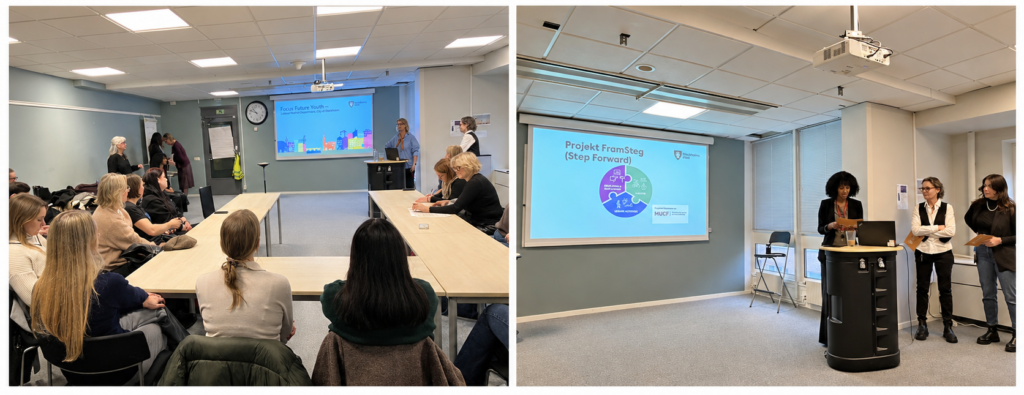
At Nytorgsverkstan, participants were introduced to a woodworking initiative offering paid employment from the first day to young adults aged 20–29 who face barriers to working life. Through practical work, employment coaching and study and career guidance, participants develop workplace skills while receiving individual support. The visit also introduced related initiatives supporting young people seeking to leave criminal environments or at risk of becoming involved in criminality.

At Jobbtorg Unga Kista, participants explored outreach work in Järva and cooperation between municipal services and local organisations. Examples included Ung kraft Järva, where case managers help young people navigate different services and coordinate support around their individual circumstances, and Framtidens hus, which combines educational support, employment-related activities and meaningful leisure opportunities for young people.
The third visit, to the Unit for Disability and Mental Health (FOP), focused on supporting people with disabilities and mental health-related needs to enter and remain in employment or education. Participants learned about Individual Placement and Support (IPS), individual job coaching, cooperation with employers and initiatives supporting the transition from school to working life.
Together, the visits demonstrated how trust-based relationships, practical opportunities and coordinated services can help translate outreach strategies into meaningful support for individuals facing different barriers to participation.
Continuing cooperation through School to Work
The Stockholm meeting also provided an opportunity to identify areas for further cooperation within the Baltic Sea Network for Youth Guidance Centres and NEET Services.
During the workshop on young people involved in or at risk of criminality, participants proposed sharing good practices on engaging employers and sports trainers, exploring a dedicated focus group on girls affected by criminality, and organising further field visits and online presentations. These suggestions provide possible directions for continued exchange within the network.
Workplace mentoring emerged as another important area for further exploration, particularly how young people and employers can receive appropriate support during the transition into employment and beyond.
Through the School to Work flagship, EUSBSR Policy Area Education offers a collaborative platform for connecting practitioners, exchanging knowledge and exploring joint approaches to challenges that extend beyond national borders.
The Stockholm meeting reinforced a central message: reaching young people is only the beginning. Lasting inclusion requires trust, continuity and coordinated support that recognises individual circumstances and helps young people move towards education, employment and active participation in society.