
 Back
BackFrom enlargement to digitalisation: key outcomes from the 2026 EU Strategies Days
This article is originally published on Panorama online magazine.
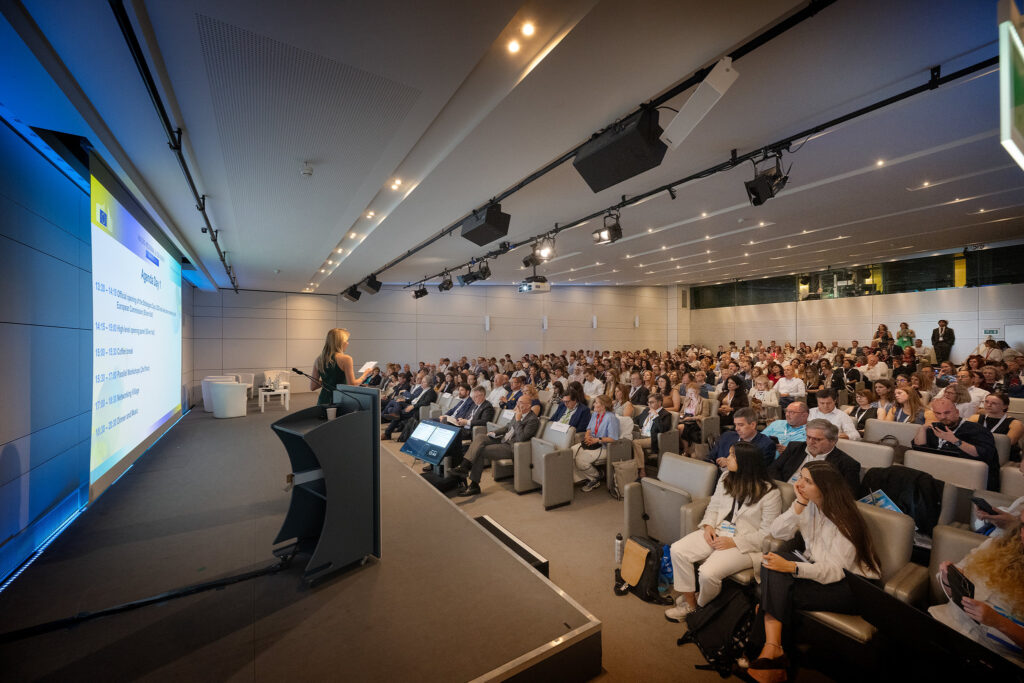
Cooperation is one of Europe’s key strengths, but it needs practice. Macro-regional and sea basin strategies provide that space, where candidate countries prepare for membership, regions work on shared challenges and young people gain experience in EU cooperation. At the Macro-Regional and Sea Basin Strategies Days 2026, this approach was reflected in discussions on enlargement, resilience, digital transformation and innovation.
The macro-regional and sea basin strategies are taking centre-stage in strengthening the EU’s resilience, supporting enlargement and helping regions respond to shared challenges. These were but some of the topics on the agenda at the Macro-Regional and Sea Basin Strategies Days 2026, which drew a 400-strong crowd of policymakers, regional authorities, partners and youth to Brussels in early July.
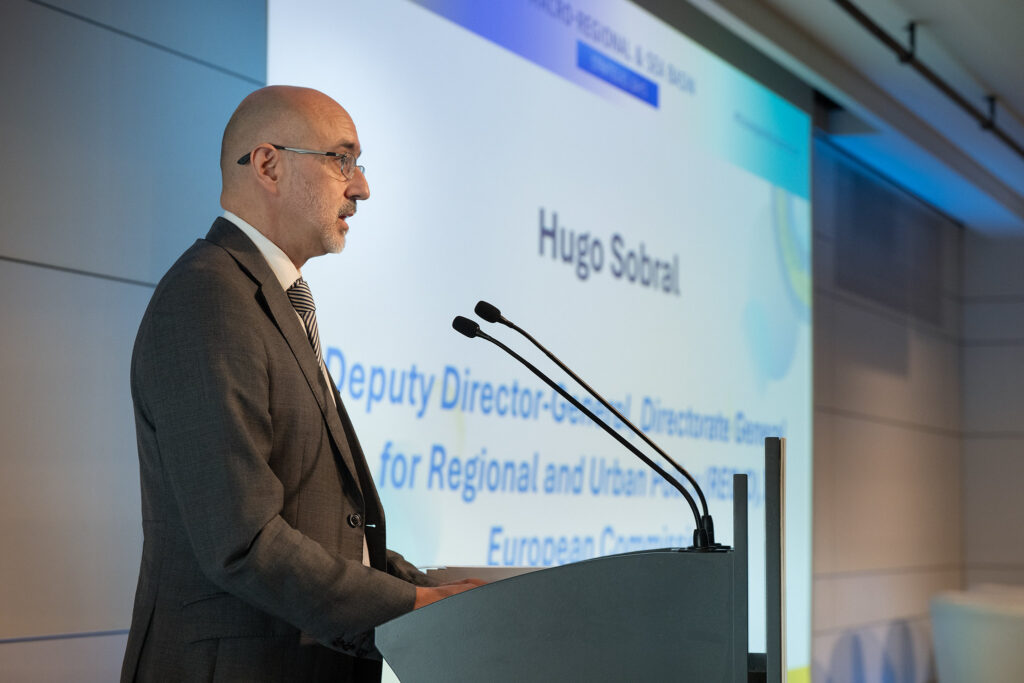
Momentum for the EU Enlargement
With Montenegro and Albania making progress in their accession negotiations, enlargement was high on the agenda. Discussions spotlighted how macro-regional cooperation gives candidate countries the chance to prepare for EU membership long before they officially join.
Preparing for EU membership takes practice. Countries need to align their laws and institutions, but they also need to learn how to work with their future partners. That’s why the 2025 revision of the EU Strategy for the EU Strategy for the Adriatic and Ionian Region puts a much stronger emphasis on enlargement. Five Western Balkan candidate countries – Albania, Bosnia and Herzegovina, Montenegro, North Macedonia and Serbia – already work alongside EU Member States on shared challenges ranging from transport and environmental protection to innovation, energy and governance. This learning-by-doing approach helps strengthen institutions, build administrative capacity and allows candidates to flex their cooperative muscles already before accession.
The same principle applies further east. With Bulgaria currently chairing the EU Strategy for the Danube Region and the Common Maritime Agenda for the Black Sea, the focus is on bringing the two frameworks closer together.
More specifically, better connections between river and sea transport can make it easier to move goods across Europe, but only if ports, navigation systems and traffic management work together.
For Ukraine and Moldova, already active in both frameworks, this is another chance to learn by doing. By helping shape parts of Europe’s transport network today, they’re also gaining the experience they will need to help manage it as future EU members.
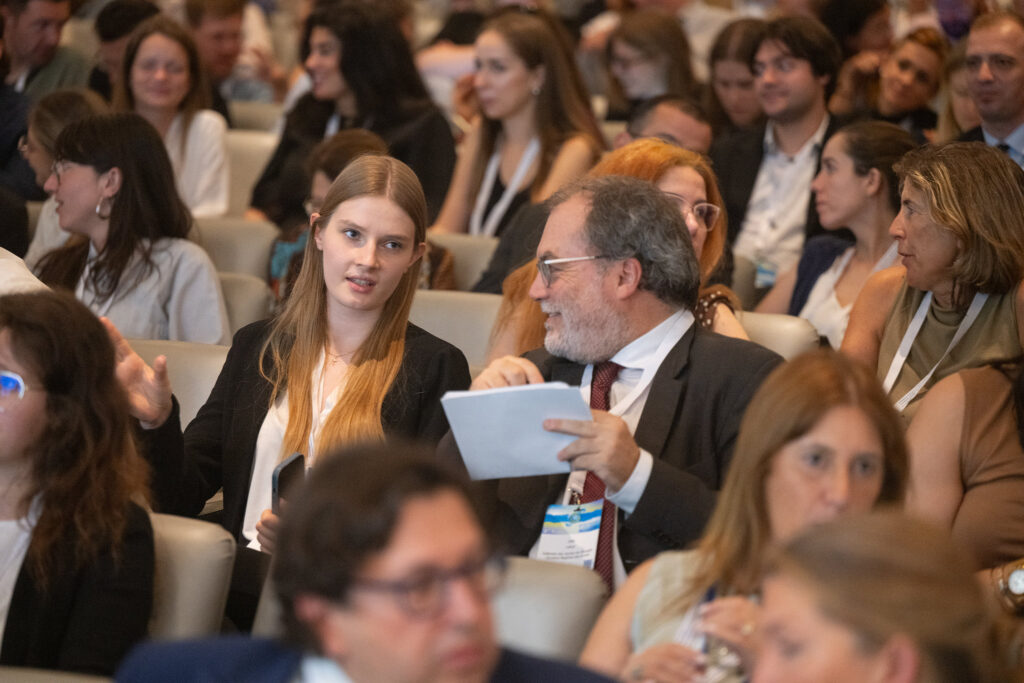
Welcoming Norway to the Baltic Sea family
Europe’s changing geopolitical landscape is also giving macro-regional cooperation a new role: strengthening resilience. In a video message opening the conference, Executive Vice-President Raffaele Fitto said:
“Europe today faces many challenges: economic, social, environmental, and geopolitical. In facing all these challenges, we Europeans have a secret weapon: cooperation. The Macro-regional and Sea Basin strategies are excellent examples of this cooperation.”
Norway’s accession as a full member of the EU Strategy for the Baltic Sea Region marked another milestone for the Strategy. It reflects the continued appeal of macro-regional cooperation as a way of tackling shared challenges, from resilience and maritime security to energy, climate change and connectivity.
The Baltic Sea Region also shows how local experience can shape European policy. Instead of having individual projects respond separately to the European Commission’s public consultation on the future EU Bioeconomy Strategy, Policy Area Nutri brought together researchers, public authorities and project partners to prepare a single regional contribution. Drawing on practical experience in nutrient recycling, the circular economy, recycled fertilisers, sustainable biogas, water reuse and nutrient pollution reduction, they delivered one evidence-backedased message that strengthened the region’s voice and highlighted both successful solutions and the barriers that remain.
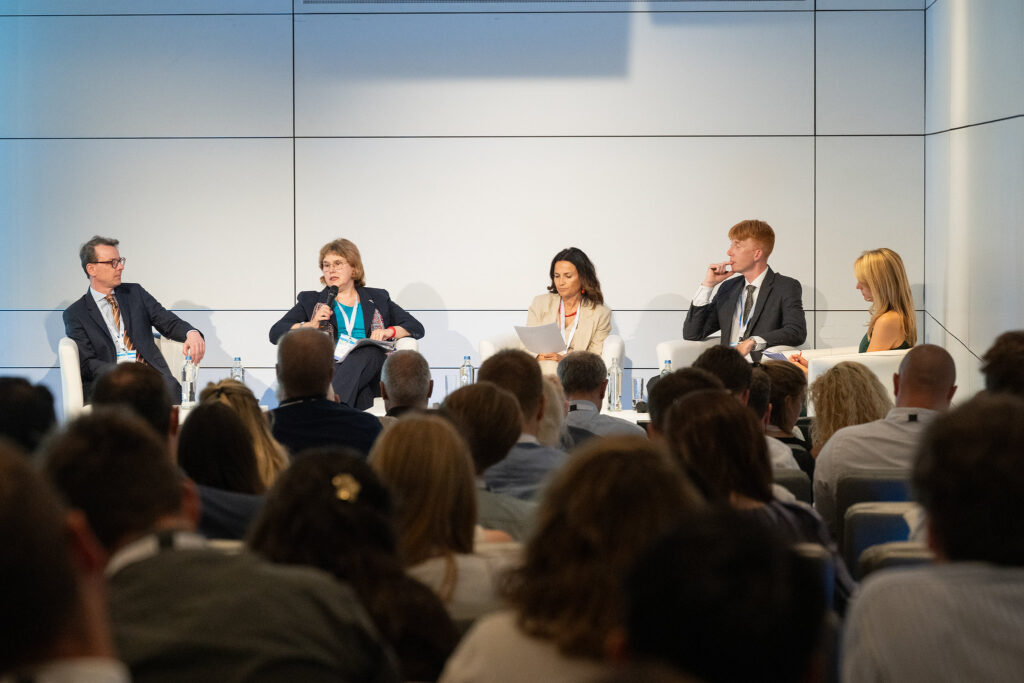
Accelerating digital transformation in the Alpine Region
In the margin of the Strategies Days, the Digital Alps Conference established how digitalisation is now a key driver of competitiveness but that it also contributes to territorial cohesion in the Alpine region.
Participants agreed that investment in digital infrastructure needs to accelerate. Better connectivity and common data spaces are part of the picture, but so is making sure rural and mountain communities are not left behind. Smarter communities, stronger support for small businesses, better digital public services and more opportunities for remote work all have a role to play in tackling demographic challenges.
New chapter for the Atlantic
The Atlantic may soon have its own macro-regional strategy. Following an invitation from the European Council in December 2025, the European Commission and Member States are preparing a dedicated Atlantic Macro-Regional Strategy, due by June 2027. It will build on the Atlantic Maritime Strategy and the Atlantic Action Plan while expanding cooperation to tackle a broader range of shared territorial challenges. Representatives from Portugal, Spain and France discussed the future framework’s governance and priorities, stressing that clear objectives and a practical, focused approach will be key to its success.
Once established, appropriate resources including the future Interreg Atlantic Area Programme and relevant national and regional strategies including the National and Regional Partnership Plans of the four Atlantic EU Member States will need to be able to deliver in a coordinated way the actions and the flagship projects of the new emerging strategic framework.
Right to stay
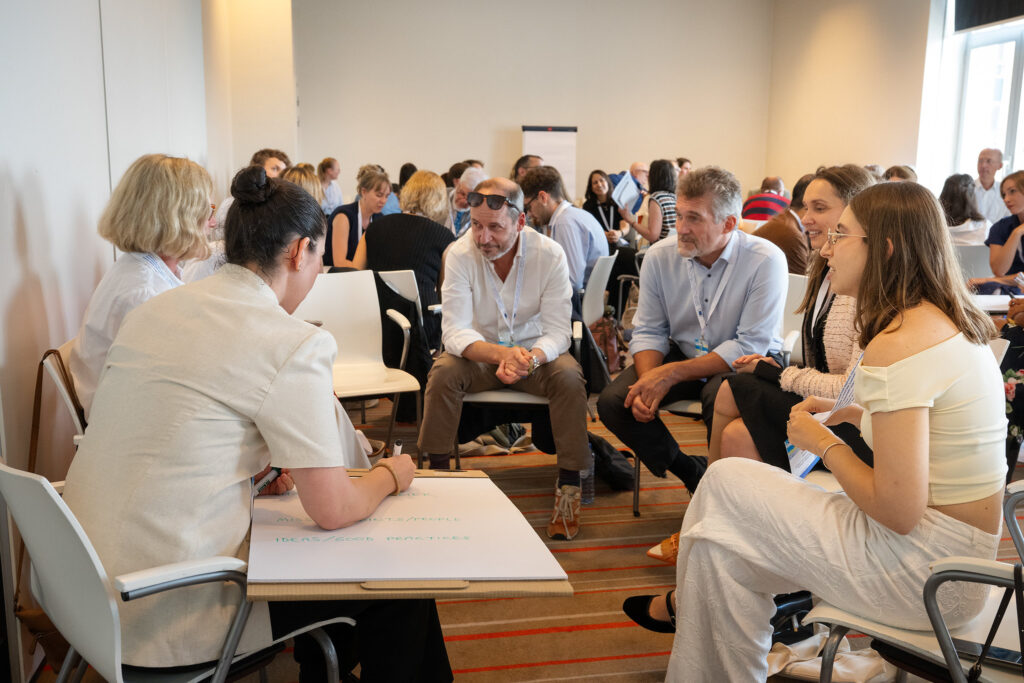
The future of Europe’s regions belongs to the next generation, and young people were anything but spectators at the Strategies Days. Youth Councils from across the macro-regional strategies took part in discussions on the future of Europe’s regions, including on the Right to Stay, and plans to make it easier for young people to study, work and build their future where they choose to live.
The Networking Village, offered a window into the future: winners of the POPRI Youth Entrepreneurship Competition, organised under the EU Strategy for the Adriatic and Ionian Region, showcased ideas ranging from smart recreational vehicle security systems to artificial intelligence for coastal monitoring.
Representatives of the Interreg Volunteer Youthinitiative showed how supporting more than 400 Interreg projects and over 50 Interreg programmes gave them hands-on experience of European Territorial Cooperation. Their stories echoed the broader message of the Strategies Days: as macro-regional cooperation evolves to meet Europe’s changing needs, it is also giving the next generation the opportunity to help shape its future.
Europe today faces many challenges: economic, social, environmental, and geopolitical. In facing all these challenges, we Europeans have a secret weapon: cooperation. The Macro-regional and Sea Basin strategies are excellent examples of this cooperation. – European Commission’s Executive Vice President for Cohesion and Reforms Raffaele FITTO