
 Back
BackDenmark focuses on building favourable preconditions for Action Plan implementation
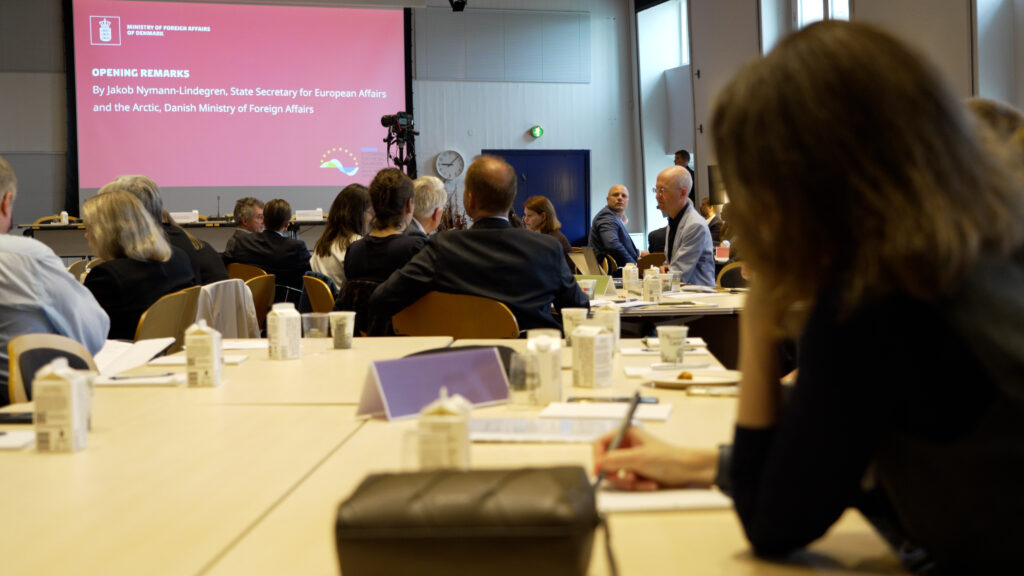
On 28 September, Denmark hosted the first official meeting of the EU Strategy for the Baltic Sea Region National Coordinators Group. This meeting, followed by a full working day with a wider stakeholder group, marked the kick-off of the Danish Presidency 2026-2027.
Denmark’s Presidency of the EU Strategy for the Baltic Sea Region focuses on:
- Ensuring an effective start to the implementation phase of the updated Action Plan (2026, pending European Commission approval). The Presidency encourages Policy Areas to use the first implementation phase to prepare the ground for their Actions to be taken forward across the Baltic Sea Region, including by identifying relevant partners, funding opportunities, and cooperation links with programmes, organisations, and actors in the region.
- Increased Ukrainian involvement in the Strategy where relevant.
The Presidency encourages Policy Areas and Steering Groups to take Ukraine into account when planning their work and to consider relevant opportunities for involving Ukrainian actors in Actions and cooperation activities.
Holding the Presidency means providing overall strategic guidance, facilitation of decision-making and coordination of the National Coordinators Group with support from the European Commission and the Baltic Sea Strategy Point. Denmark took over the responsibility after Estonia and will be followed by Finland.
Nurturing connections with the EU funding programmes is a priority
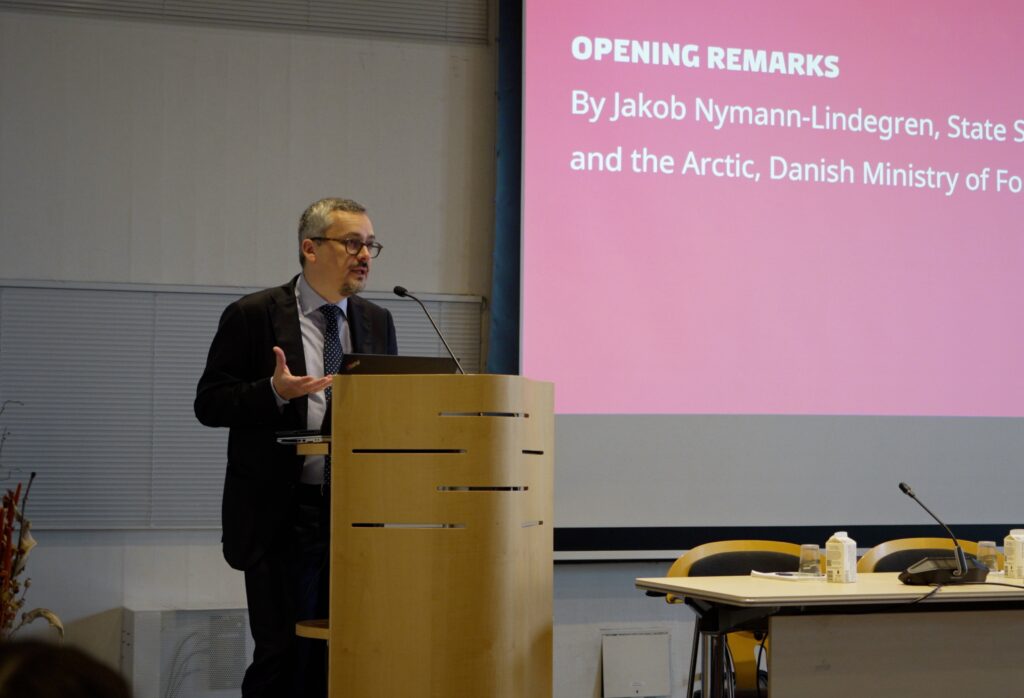
In his opening remarks on behalf of the Danish Ministry of Foreign Affairs, State Secretary for European Affairs and the Arctic Jakob Nymann-Lindegren presented the Danish Priorities. He emphasised the value of the Strategy as the overarching framework in the Baltic Sea Region.
“The greatest practical value of the strategy lies in reducing fragmentation. By bringing the diversity of actors, mandates, and funding sources into a single, shared framework with common goals, and helping national governments, regions, cities, EU programmes, and other stakeholders align discussions, cooperation, and funding opportunities.”
“The Action Plan keeps the strategy in tune with wider EU priorities – on competitiveness, resilience, and the green transition. And gives a sort of “transnational blueprint” for the tasks at hand for our region”, he continued.
EU budget discussions open a window of opportunity to nurture connections with the EU funding programmes. Smooth cooperation builds preconditions for impactful transnational cooperation in the years to come. During the Danish Presidency, Policy Area Coordinators of the Strategy will work to strengthen cross-sectoral exchange and explore closer involvement of funding organisations and managing authorities of the EU mainstream funds.
Closing the event, the Interreg Baltic Sea Region Joint Secretariat/Managing Authority brought connections with the funding programmes to the practical level: Representatives of the programme opened the floor for the Policy Area Coordinators to comment on the initial plan of the topic areas. The EU Strategy for the Baltic Sea Region Action Plan is one of the key documents for the transnational Interreg Programme to look at when working on the thematic focus areas for 2028-2034.