
 Back
BackAnnual Forum 2025 – Economy of Wellbeing of People: Building Sustainable Working Lives in the Baltic Sea Region
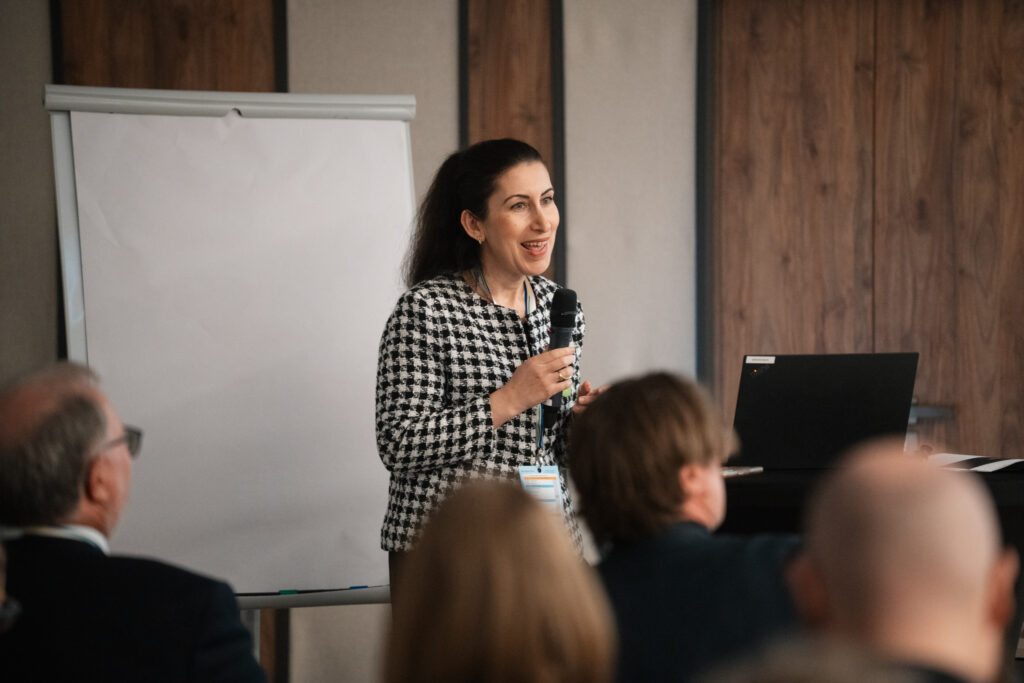
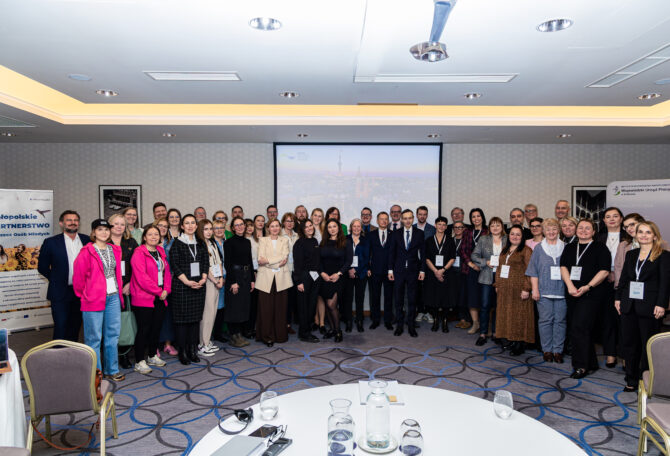
At the EUSBSR Annual Forum 2025 in Sopot, Policy Area Education (Föreningen Norden and Region Västerbotten) hosted a workshop “Economy of Wellbeing of People – Sustainable Working Lives in the Baltic Sea Region.”
The session brought together more than 70 participants to explore how health, trust, skills, and social connection can strengthen the foundations of future-oriented and resilient societies.
The Sopot workshop was the first in a series of events under the Economy of Wellbeing of People initiative, paving the way for the establishment of a collaborative platform coordinated by Region Västerbotten.
The workshop built on findings from the study Economy of Wellbeing of People: Towards a Collaborative Platform in the Baltic Sea Region (Tepecik Diş et al., 2025), which highlights wellbeing as both a human right and a driver of sustainable working lives, contributing to a wellbeing economy.
It also reflected the wider context of the Forum’s theme “Securing the Future: Stronger Together – Building Stability in Times of Uncertainty” and the discussions launched during the BSSSC Day of Cities and Regions, which emphasised the role of local and regional actors in driving sustainability and wellbeing.
A cross-sector dialogue on sustainable working lives
The workshop combined short interventions with interactive exchanges using Mentimeter to collect perspectives from participants across the Baltic Sea Region. Speakers from Finland, Region Västerbotten, and the SGH Warsaw School of Economics shared reflections on mental health, prevention, and workforce resilience, while participants discussed how wellbeing can become the foundation of sustainable working lives and how cross-border cooperation can make a difference.
The conversation revealed that mental health and social connection are increasingly recognised as critical factors for social stability and productivity. This topic is one of three identified themes in the Economy of Wellbeing of People initiative, alongside lifelong learning and reskilling, and healthy and active ageing. Participants underlined the importance of trust between institutions and citizens, as well as strong community networks and continuous learning opportunities that enable people to adapt to changing labour markets and life circumstances.
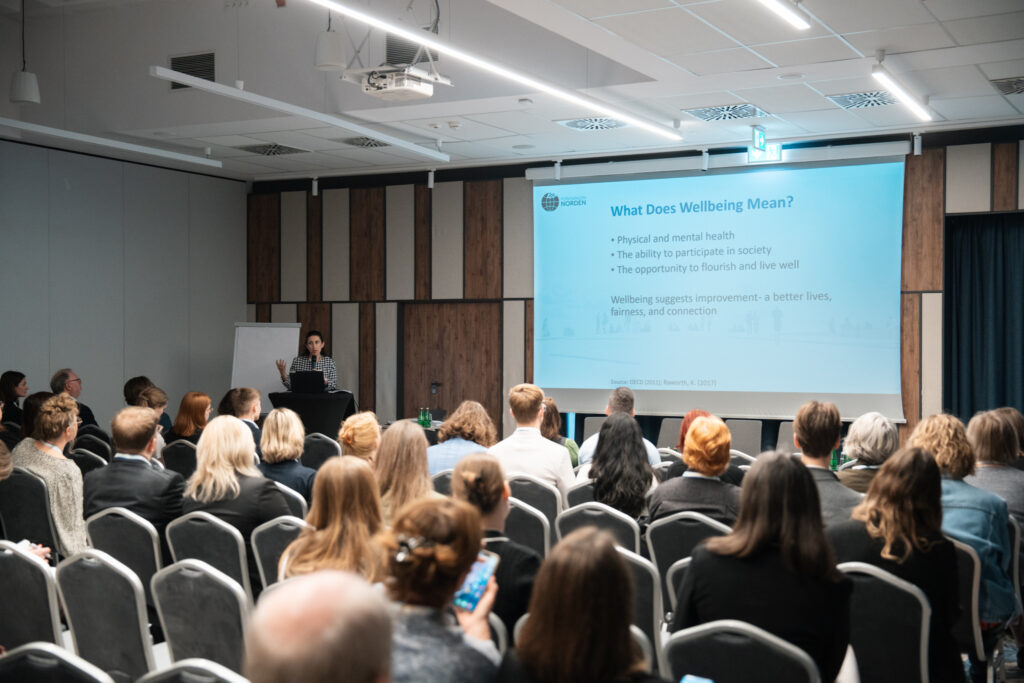
Wellbeing as a shared foundation
The discussion confirmed that wellbeing is not a single policy area but a cross-cutting goal that connects health, education, employment, and social inclusion. Strengthening mental health and social connection was seen as essential for ensuring that people can live, learn, and work in good health and dignity throughout life. Investing in wellbeing was also described as a strategic choice for resilience and competitiveness, both for individuals and societies.
The Economy of Wellbeing approach positions wellbeing not as an outcome of growth but as a precondition for sustainable economic and social development. Participants noted that the transition towards a wellbeing economy requires collaboration across sectors and levels of governance, as well as policies that balance economic priorities with human and social needs.
Continuing the dialogue
The Sopot workshop was the first in a series of events under the Economy of Wellbeing of People initiative led by Policy Area Education, paving the way for the establishment of a collaborative platform coordinated by Region Västerbotten.
In November, the process will continue through online workshops that will explore all three dimensions of the wellbeing economy:
• Mental health and social connection
• Lifelong learning and reskilling
• Ageing societies
Each session will gather regional stakeholders, researchers, and practitioners to identify practical approaches for embedding wellbeing in public policy and organisational development.
The initiative aims to strengthen the transnational cooperation and shared learning needed to make the wellbeing economy a reality across the Baltic Sea Region.
Welcome to join the collaboration platform on the Economy of Wellbeing of People. Take the chance to get acquainted with the themes by joining the digital workshops in November.
Follow the progress and upcoming events at:
👉 https://norden.se/economy-of-wellbeing-of-people/
Sign up for the online workshops at:
👉 https://eusbsr.eu/event/economy-of-wellbeing-of-people-join-the-november-workshops/
Securing the Future – Views from the Policy Area Coordinators
“Securing the Future – Views from the Policy Area Coordinators” publication consists of thematically focused articles that are aligned with the Strategy objectives and support informed discussion.
To read more about the Economy of Wellbeing, read the article “How Megatrends Shape the Economy of Wellbeing of People in the Baltic Sea Region”.
Download the publication here.
More about the Annual Forum
- Securing the Future – Views from the Policy Area Coordinators
- Building the Baltic Sea Region’s AI Future: From Hype to Real Impact
- New Circular Economy Solutions: Perspectives to Circular Economy in a Panel Discussion
- Energy Transformation: pathways to Baltic Sea region‘s energy resilience
- The Soft Core of Hard Security: Community Cohesion and Agency in Times of Insecurity
- Routes That Resonate: Tourism and Culture as Bridges in the Baltic Sea Region
- Economy of Wellbeing of People: Building Sustainable Working Lives in the Baltic Sea Region
- Regions bordering Russian Federation and Belarus
- Beyond Borders: Turning Interreg Results into Policy Action
- Are Our Green Fuels Ready for Green Shipping Corridors?