
 Back
BackAnnual Forum 2024: Digital and Smart Solutions for Supporting Sustainable Business Environment
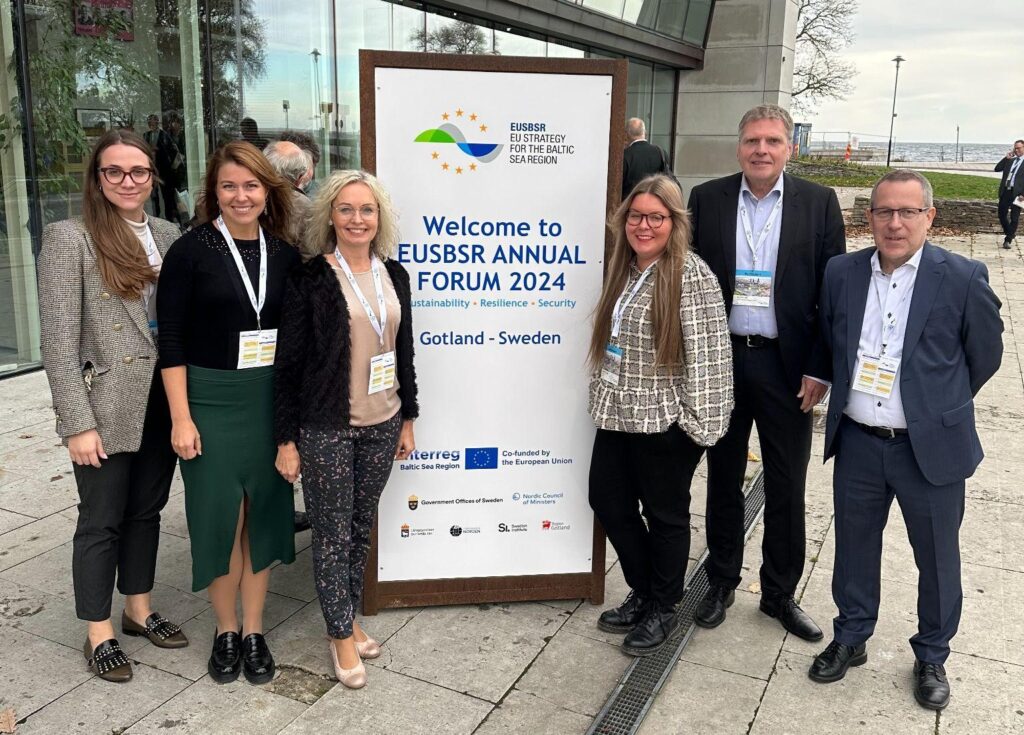
Policy Area Innovation organised one of the parallel sessions during the Annual Forum 2024 to unfold the aspects of how digital and smart solutions can support the sustainable business environment development.

To set the background and scene to the topic it is important to note, that the shift towards paperless processes and digital platforms is seen as a solution for a greener and more competitive economic landscape. The current situation in economics requires us to seek for more efficient business administration, a less bureaucratic and unified business environment. Furthermore, actions towards a better functioning single market are required to advance those domains. The EU’s ambitious goal to reduce administrative burdens by 25% and streamline complex regulatory frameworks highlight the need for change.
Digital Solutions and Innovative Projects
This topic was unlocked by the examples of different projects and sectors. First, it was presented how Electronic Freight Transportation Information EU directive and eFTI4EU project hand in hand support the change in digital logistics. Taking the journey forward from first attempts of DINNOCAP project, the electronic freight data exchange model has now been as a sample to EU legislation and representing major policy Impact. Now the aims for cross-European project is to develop fully digital data exchange model, so that the cargo carriers do not have to have any paper documents with them and controlling processes by police or tax could be done fully automatically. This systemic change is implemented by CEF funded project eFTI4EU and the supportive legislation is developed during same time taking account the project results form the market. Secondly, it was introduced how eWallets and Nordic Smart Government and Business network thrive the digital transformation and implementation of several digital policies by digitalizing public authority side. As a integral part of all the economic transactions, companies need to verify their business partners, the roles and authenticate the users to ensure security. eWallets and EIDAS2 legislation are seen as a cross-European solution for it by having all the identification certificates in one place. Digital Europe program is supporting the eWallets development.
Thirdly, in the parallel session we introduced how ESG Tool as a result of SusTool project can help the companies in their journey towards more sustainable businesses. Interreg Baltic Sea Region is financing the project, which helps to building up the capacities for the SME’s how they should get started with sustainability reporting and to understand how the sustainability matters influence them. The project and ESG Tool platform shares best practices from other companies, introduces Corporate Sustainability Reporting Standards in simplified way and offers an online solution for companies for their sustainability self-assessment.
Enhancing Policy Responsiveness through Digitalization
All those examples from projects and policy requirements showcase that digitalization can help to reach more responsive policy making and create good discussions between policy makers and their target groups.
The overall policy approach for reducing the administrative burden, improving the business data exchange and automating business reporting processes as much as possible has been highly acknowledged by Real-Time Economy and Nordic Smart Government and Business working programmes. This is also a good example of transnational collaborations in governmental networks level in joint initiatives and to achieve and result in policy recommendations.
Related content


New funding opportunities at Swedish Institute
26 February 2026