
 Back
BackAnnual Forum 2024: Culture X Integration
Within the EUSBSR Annual Forum 2024, Policy Areas Culture and Education co-hosted a workshop under the title Culture X Integration with the aim of exploring synergies between Policy Area Education and Policy Area Culture in the field of integration of migrants and refugees.
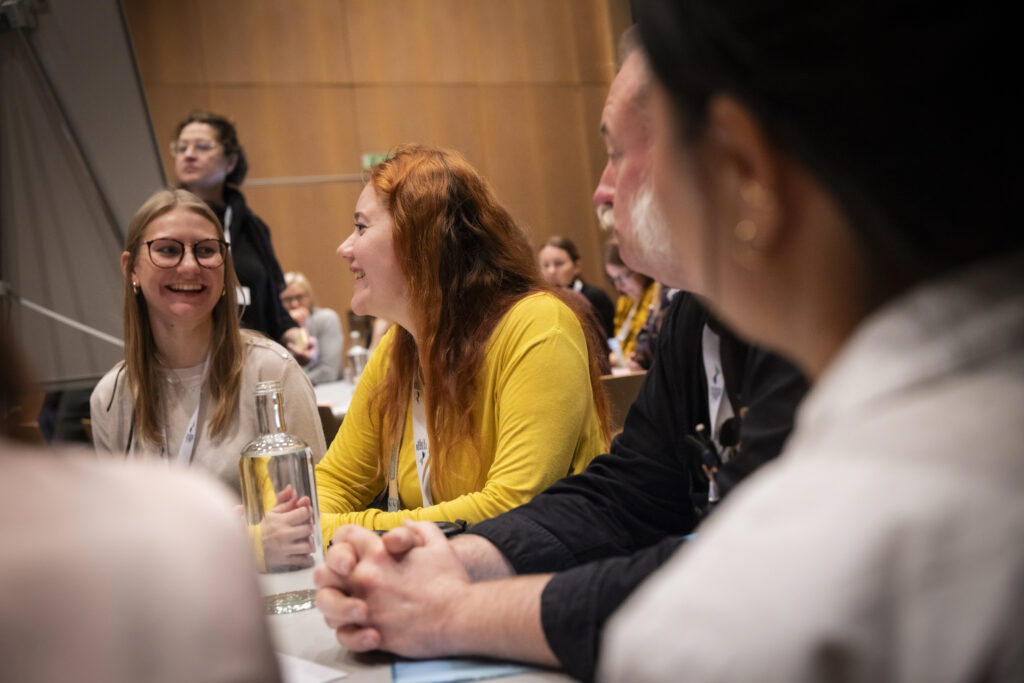
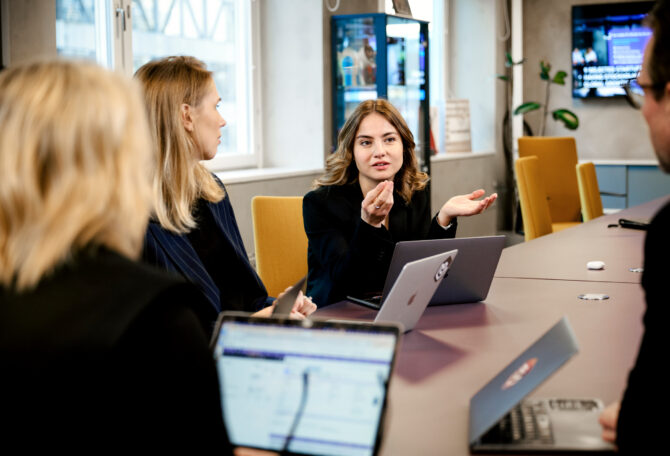
The workshop brought together about 40 participants from around the Baltic Sea and explored the potential of cultural activities in fostering social integration among migrants and refugees. By engaging participants in an interactive way, the workshop highlighted the power of shared cultural experiences as a bridge to understanding, empathy, and unity in diverse communities.
Within the workshop, three inspirational showcases were presented by partners from Sweden, Germany and Poland. They did not only cover different perspectives on the overlaps between culture and integration, but also reflected the different aspects of culture itself.
Kalina Czwarnóg from the Warsaw-based Ocalenie Foundation provided insights into how migrants can be supported in familiarising themselves with life in a different culture. Participants discussed essential elements of integration programs and identified key considerations. They further shared insights and experiences from their own countries, creating a rich exchange of perspectives. One of the biggest challenges identified by participants was the establishment of contacts to local people. Additionally, the discussion highlighted the need for integration measures that also target the host society, recognizing that integration is a two-way process that cannot rely solely on expectations for newcomers.
This is also the approach followed by the grassroots initiative Give something back to Berlin, where integration and cultural exchange are understood as beneficial to everyone – if approached in the right way. During the workshop, Mine Nang and Antonina Stasuik guided discussions surrounding the question of ‘choice’ and ‘responsibility’ within a ‘trauma-informed approach’ and the challenges this possibly includes in project management. After having experienced something traumatic, the affected might have a very individual perspective on having a choice. Too many opportunities to choose from can be overwhelming as well as having a choice at all could have become foreign to some. These are aspects to review carefully and responsibly, creating awareness when following a ‘trauma-informed approach’ in project management.
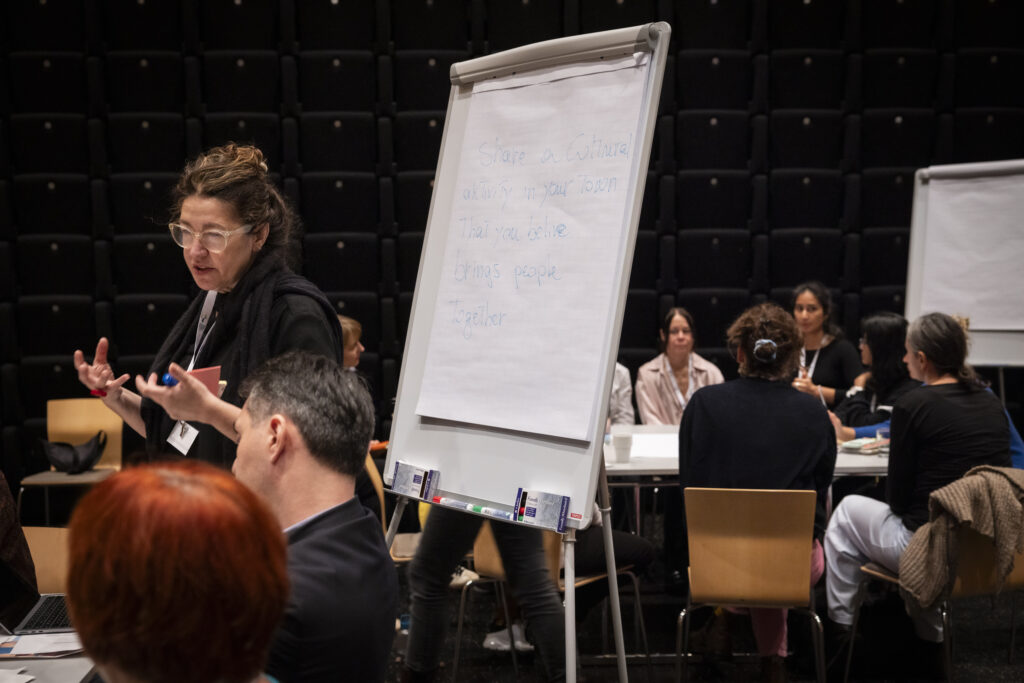
The third initiative present at the workshop was the research project The Art of Belonging: Social Integration of Young Migrants in Urban Contexts through Cultural Place-Making. The project introduced the “Cultural Rucksack for New Arrivals”, a program that fostered arts and cultural engagement to help integrate new arrivals. In summer courses offered to young migrants, the focus was placed on making their stories visible, while at the same time – through art – offering them the possibility to make the city their own. Sinnika Neuhaus from Lund University and visual artist Lara Sanna started the workshop with the presentation of the general idea of Art of Belonging. The participants then developed formats aimed at connecting newcomers to their welcoming community. One idea for example featured a “joint storytelling” of a local and a newcomer starting with individual stories from some local cultural input and then creating a combining common story. The development of these concepts made clear that integration into a new place is only possible through mutual understanding and that exchange must take place. The groups also discussed how to enable local actors to carry out such connecting activities. Possibilities brought up were e.g. to connect to existing initiatives or associations working towards similar goals and to identify spaces to carry out these activities.
The outcomes shall be integrated into the Policy Area Education emerging platform Baltic Sea Region Integrate Now, adding another dimension focussing on societal integration and participation and thereby contributing to the overarching goals of both Policy Area Education and Policy Area Culture in the context of the Baltic Sea Region.