
 Back
Building bridges to adulthood: PA Education shares School to Work experience in Brussels
How can local and regional actors provide more coordinated support to vulnerable young people as they move into adulthood? This question was at the centre of a workshop held on 14 October 2026 during the European Week of Regions and Cities in Brussels.
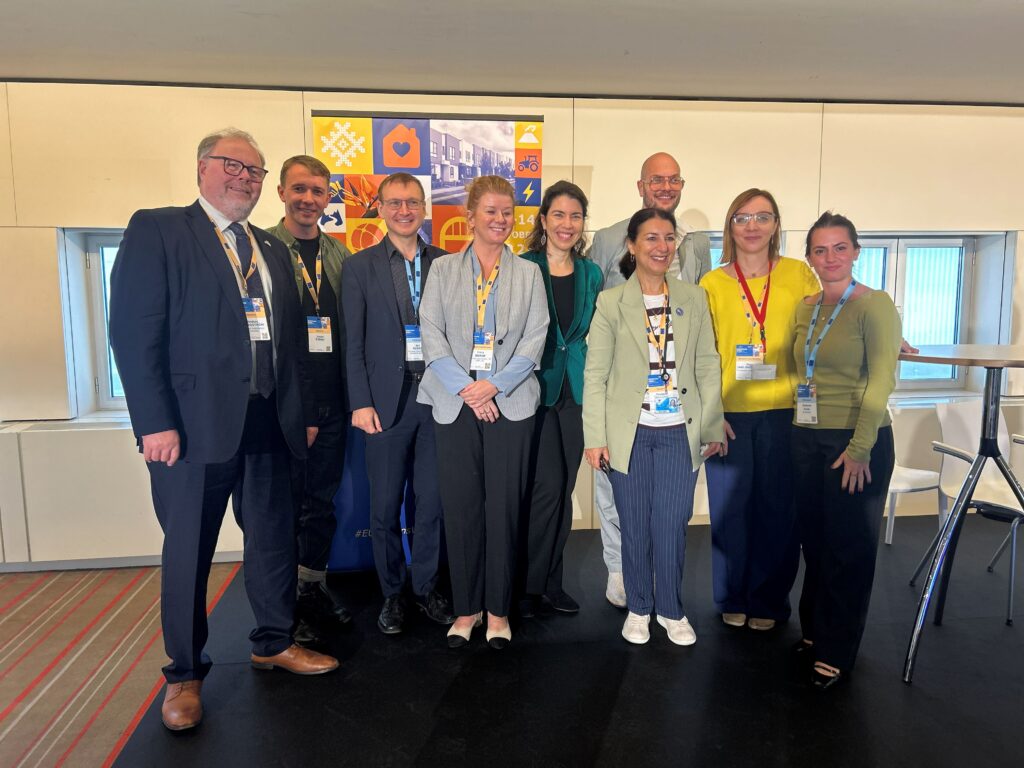
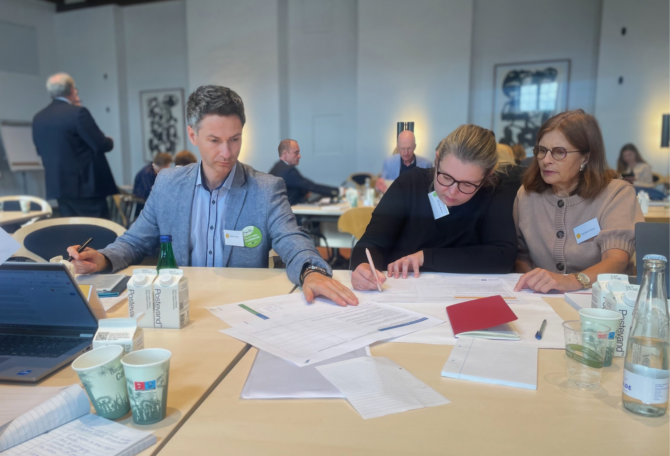
The workshop, No child left behind: building bridges to adulthood, was organised by the European Commission, Directorate-General for Employment, Social Affairs and Inclusion (DG EMPL), together with Eurocities. Around 50 participants gathered to discuss how young people can receive more continuous and coordinated support when transitioning between education, employment and social services.
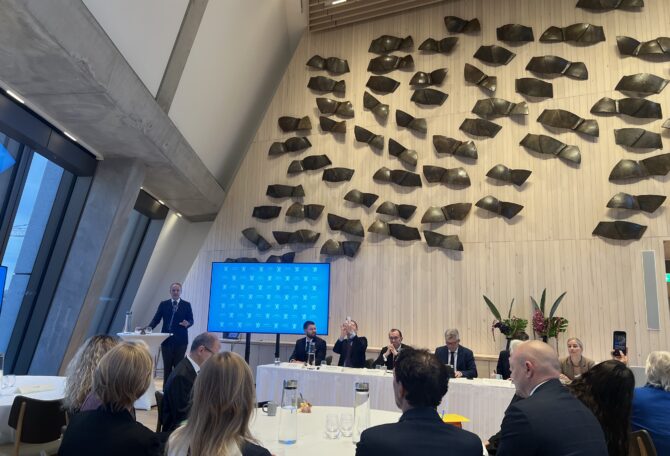
Anders Bergström, Policy Area Coordinator for Education under the EU Strategy for the Baltic Sea Region (EUSBSR), participated as a panellist, sharing experiences from the flagship School to Work (S2W).
He introduced the role of EU macro-regional strategies in facilitating cooperation across countries and sectors, before highlighting the Youth Guidance Centres approach. These centres bring together professionals with different areas of expertise to provide coordinated, individually tailored guidance and support, with the young person’s needs at the centre.
The panel also included perspectives from youth work and political representatives at local and regional levels. Their contributions were followed by an interactive discussion on how to build trust with young people, reach those facing different forms of vulnerability and strengthen cooperation between services.
Participants discussed the challenges faced by young people experiencing poverty, domestic violence, loneliness and social isolation, as well as the particular circumstances of those living in rural areas.
The workshop took place in the context of the EU’s first Anti-Poverty Strategy and the European Commission’s communication on strengthening the European Child Guarantee, adopted and published in May 2026.
The discussions highlighted the importance of integrated, youth-centred support and the value of sharing practical experiences across regions and countries to help young people navigate the transition to adulthood.