
 Back
BackSometimes national strategies are too small, and the EU is too large – enhancing regional cooperation in the Baltic Sea Region
EU Strategy for the Baltic Sea Region, together with partners, was selected to be part of the 23rd edition of the European Week of Regions and Cities in Brussels. This is the largest annual event dedicated to cohesion policy, and we were honoured and happy to have the opportunity to raise the visibility of territorial cooperation frameworks at the event.
We encouraged our speakers and the audience to reflect on how shared governance, co-creation, and citizen engagement empower people to shape their region.
What makes you feel connected to your region?
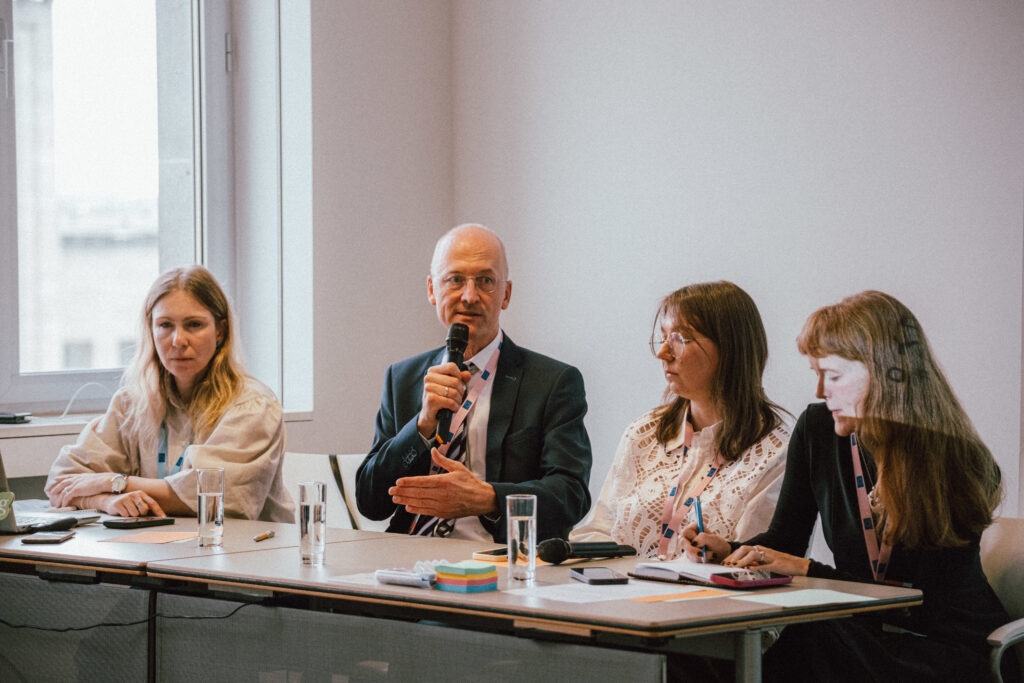
What makes you feel most connected to your region, if you had to choose between “people and community” or “jobs and services”? According to our audience, the majority of people would reply “people and community”. Interestingly enough, the same audience thinks that young people are motivated to stay or return to their region by “opportunities like a job, housing, or education” rather than “a feeling of belonging and being heard”. Silva Laure, Vice-President of the Baltic Sea Region Youth Forum, didn’t find this surprising at all.
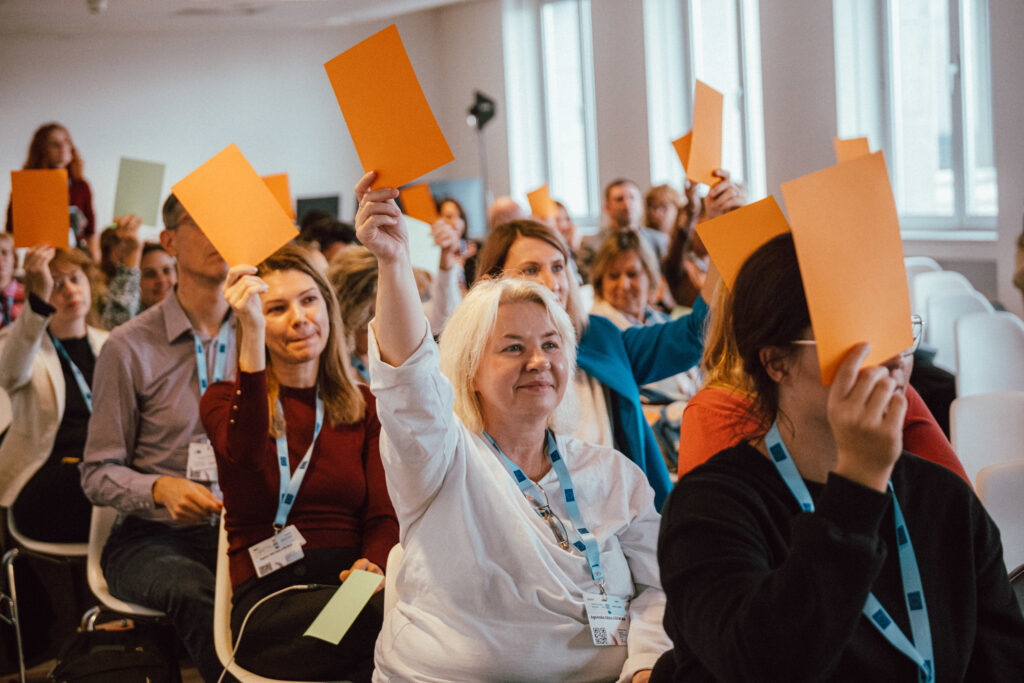
Laure talked about the hierarchy of needs and that as a young person, opportunities and a sufficient level of services often come before the social needs. However, one cannot separate the two, as social cohesion, democracy, and a feeling of belonging are prerequisites to prosperous opportunities, and vice versa. According to her, the way to make young people feel connected to a region is to include them in the conversations and responsibilities. Martyna Blaszczyk, Head of Unit at Pomeranian Science and Technology Park Gdynia, is of the same opinion and emphasises the need for the residents, young and old alike, to feel that their ideas become a part of reality and are taken forward. Blaszczyk represented Interreg projects Creative Circular Cities & We Make Transition, which both contribute to engaging citizens at the local level.
Territorial frameworks connect the regional level with the EU
In the Baltic Sea Region, with a myriad of transnational organisations and other actors working for environmentally and socially viable conditions across the region, the case is hardly that there would be too little interest in working together. However, coordination and effective use of the resources can be a challenge.
Tom Schumacher, Development Officer at the Baltic Sea Strategy Point, sees an opportunity in the high number of organisations: There is an incredible amount of expertise in the Baltic Sea Region, when it comes to increasing the prosperity, connecting the region, or securing a good environmental status of the Baltic Sea. The EU Strategy for the Baltic Sea Region is designed to support coordinated transnational cooperation around the sea. The Strategy enhances regional cooperation and optimises the deployment of EU resources by adapting them to the unique needs of the Baltic Sea Region.
Working in the cooperation network of the EU Strategy for the Baltic Sea Region allows local and regional actors to scale up their initiatives. This turns community projects into policy-relevant contributions that can influence funding and governance across the EU. To interpret the regional needs and to identify priorities for cooperation, it is of essence to ensure citizens’ engagement on all levels, starting from the individuals and all the way up to the highest political entities. Through the EU Strategy for the Baltic Sea Region, local and regional efforts to engage citizens and strengthen communities are not isolated initiatives but part of a coordinated regional framework that feeds directly into European priorities such as cohesion, green transition, and resilience.
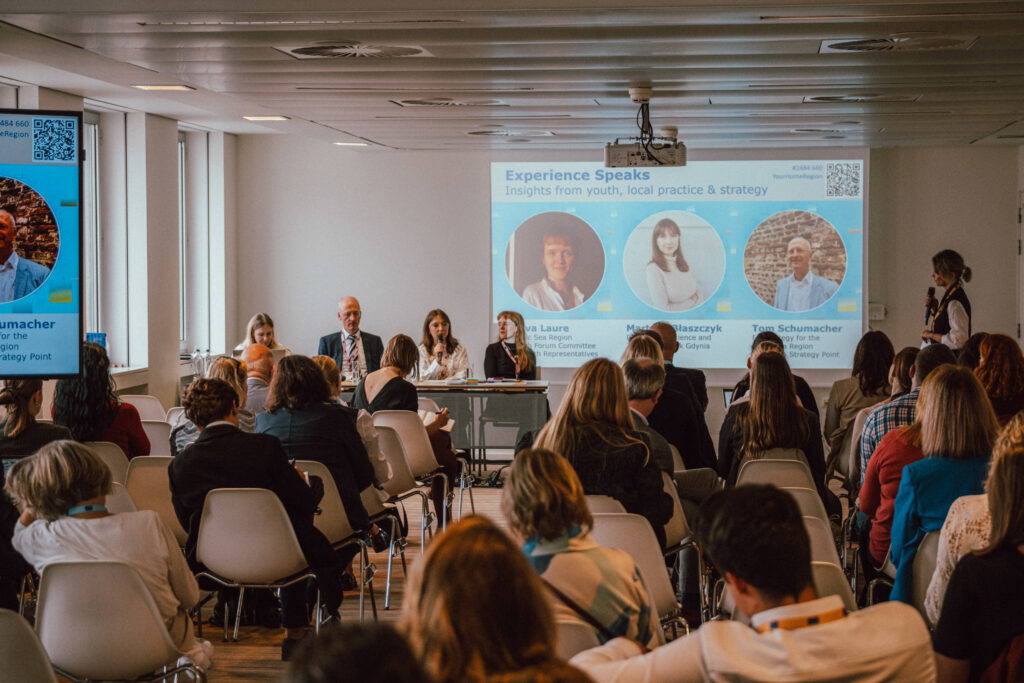
The session was organised jointy by the Interreg Baltic Sea Region joint secretariat, Baltic Sea Strategy Point, Council of the Baltic Sea States Secretariat, ‘Pomorskie in the European Union’ Association and Danish Cultural Institute.