
 Back
BackAnnual Forum 2024: Let’s Talk About PFAS!
Policy Area Hazards joined forces with the Baltic Sea PFAS network, and projects EMPEREST, APRIORA and NonHazCity 3 in the seminar “Let’s talk about PFAS: Connecting PFAS strategies in the BSR” at the Annual Forum in October. The seminar attracted ca. 60 active participants representing national, regional and local authorities, water utilities, universities and international organisations.
The aim was to bring together upstream and downstream measures to tackle PFAS, which could be defined as actions targeting both the removal pollution through different technological treatment steps (downstream) and trying to tackle pollution at its source with prevention and substitution (upstream).
PFAS are used in many products because of their useful properties, such as water and grease repellence, but today research shows that they represent a threat to the environment and human health.
“Only five years ago, when talking to people about PFAS, you needed to convince them that the work is important. Nowadays, most people know and understand why the work against PFAS is vital.” – Markus Raudkivi, project coordinator at HELCOM.
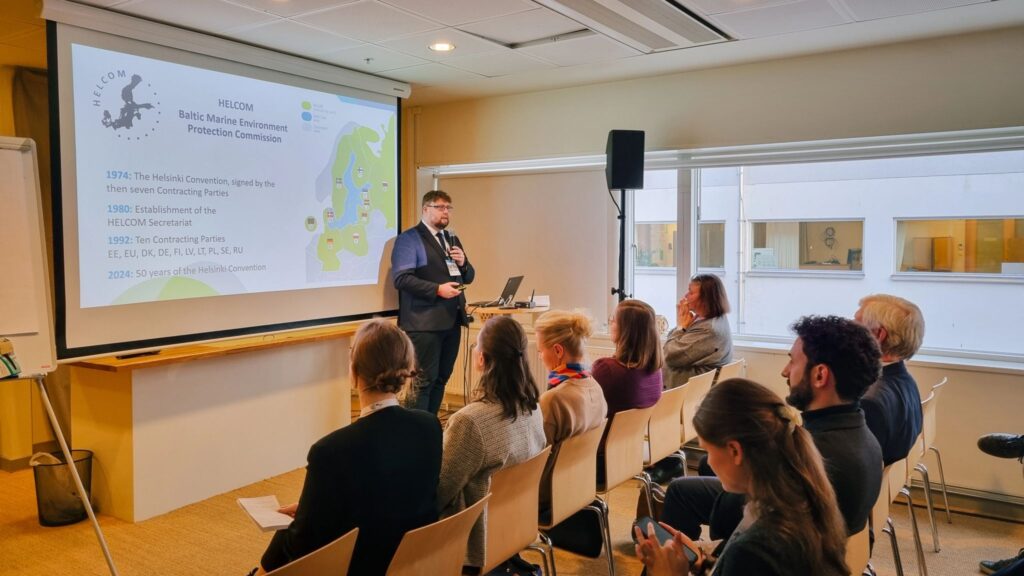
Markus Raudkivi gave an overview of the work aiming at harmonizing the monitoring of the PFAS situation in the Baltic Sea for a better understanding of the area. To that end, the EMPEREST project led a data call last year, collecting vast amounts of monitoring data from the whole Baltic Sea region. Although the gathered results show some positive signs with PFAS concentrations in sea water, the situation in biota is much more complicated. Compared to the new PFAS thresholds currently on the table in EU discussions with significantly lower “safe for human health” values for fish, the picture is highly concerning – we are very far from having most fish in the Baltic Sea to be “safe” to eat. Still, the work in the region has progressed a lot, with increasingly more substances from the large group of PFAS being banned or restricted and general awareness reaching an all-time high.
“We want to prepare BSR cities to the emerging threats and equip them with tools to ensure safe environment for their citizens. Only together and with coordinated actions we can try to comprehensively address the transboundary challenge of PFAS.” – Mariia Andreeva, UBC Sustainable Cities Commission
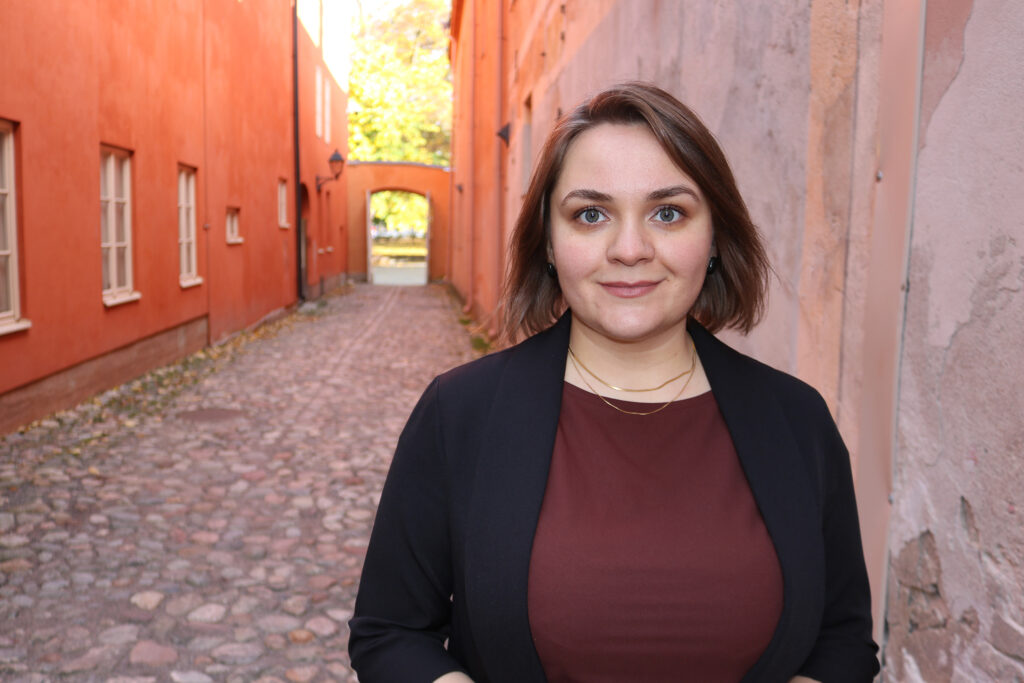
The local perspective is key. The PFAS risk-assessment tool built in the EMPEREST project is a first step for cities in the identification and mitigation of their PFAS-related risks. Further, the training materials produced in the project will help cities to strengthen their capacities.
The NonHazCity projects have also developed tools for municipalities, as well as for individuals and the construction industry aiming at achieving a tox-free environment. In the context of the ongoing NHC3 project, Susanna Olsson and Sara Zentner (Stockholm City) brought in some results from their screening for pollutants in five cities in the Baltic Sea Region and source mapping of PFAS in urban areas. One important take-away is that although PFAS is frequently found all around us, the screenings showed that PFAS substances that have been banned for some time already are diminishing in the environment and biota. This means that banning PFAS and stricter regulations work!
In addition, their key recommendations for a tox-free environment are better material choices and promotion of substitute products, and improved monitoring systems. The importance of legal measures going hand in hand with supporting implementation and awarenessraising among all stakeholders was echoed by Edita Baltrenaite-Gediene, our national expert from Vilnius Tech. It goes to show that efforts are needed at national level to bring about policy change, municipal level to support good implementation practices, and awareness raising among the general public.
“Effective PFAS reduction calls for organisational, legal, economic, technical and biological measures”. Edita BALTRĖNAITĖ-GEDIENĖ, Institute of Environmental Protection, VILNIUS TECH.
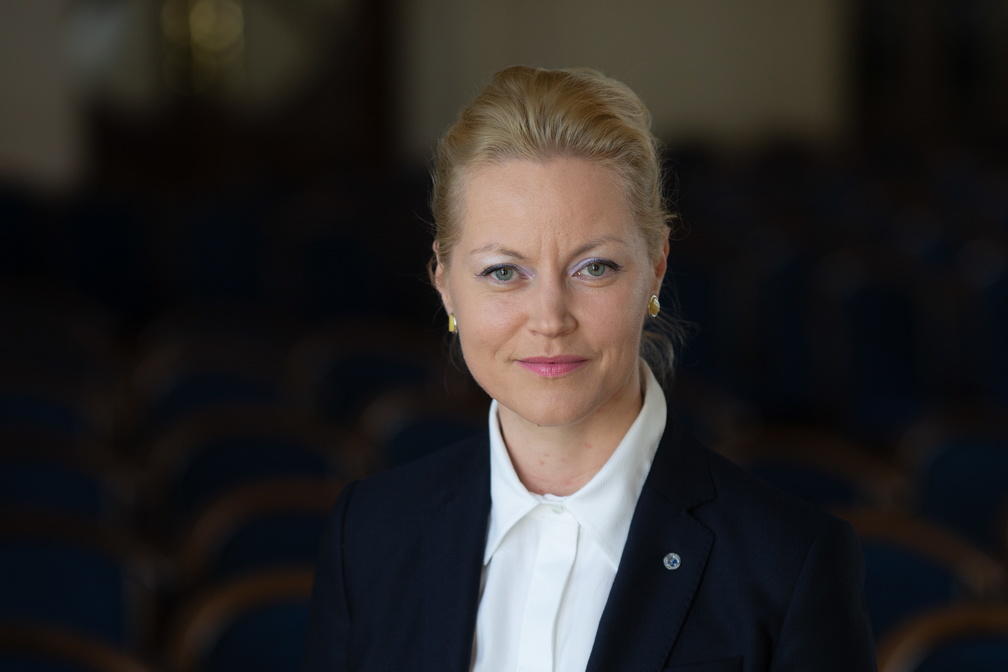
So how are we doing with PFAS? The APRIORA project brought an important perspective on the question “Have we been here before?” With decades of research work, a crucial step forward is ahead of us: currently, new legislation proposals actually include pharmaceuticals, e.g. in the Urban Wastewater Directive (UWWTD) to evaluate removal efficiencies of integrated advanced treatments and in the update of environmental quality standards under Water Framework Directive (WFD) as new thresholds. Hence, APRIORA works on implementation into administrative practice now.
“Today, removing pharmaceuticals from wastewater is relatively easy but doing the same for PFAS is complicated. Not so long time ago, removing pharmaceuticals was also complicated. We can expect similar progress to happen also for PFAS and related research.” – Alena Seidenfaden, research assistant at the University of Rostock.
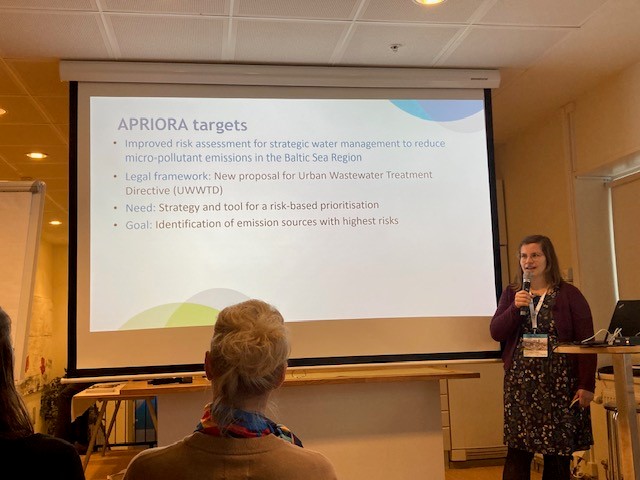
Significant efforts to address PFAS are already done by the projects and initiatives presenting in Visby. But the cooperation only begins here, and the projects EMPEREST and APRIORA will continue cooperation to reach out to the relevant stakeholders with ready solutions.